

More

supply chain podcast
March 13, 2025
Beyond the Mic: How to Maximize Your Supply Chain Podcast’s Reach and Impact
Podcasting has become a crowded — and noisy — field. It seems these days everyone has a mic — and a platform. The supply chain really entered the international spotlight during COVID-19, when goods piled up at ports during stay-at-home mandates. The rapid rise in e-commerce kept the focus on the supply chain as consumers demanded to be kept up to date on when all their stuff was going to be delivered. Supply chain-focused podcasts emerged to shed light on shutdowns and disruptions as well as the advancements in moving goods from points A to B — and sometimes C, D, and E. But not all podcasts take a serious look at the supply chain. There was a rash of silly content when an Evergreen container ship got stuck in the Suez Canal, and whenever a critter steals an Uber Eats delivery, the doorbell camera footage airs everywhere. We love a funny squirrel video just as much as everyone else does, but to maximize your supply chain podcast’s reach and impact, you should treat your subject matter with the seriousness it deserves. At Supply Chain Now, we pride ourselves on giving the best and brightest in the industry a voice,…
logistics
June 26, 2025
What a Buyer Wants, What a Buyer Needs
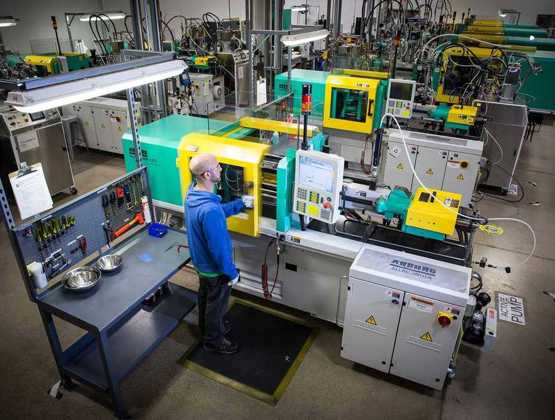
Special Guest Blog Post written by Bernadine Henderson Ms. Henderson, senior director of procurement at Protolabs, lifts the lid on buying in manufacturing and why relationships are central to it. Simply put, the job of a buyer is really about buying the right thing at the right time for the right price. It sounds simple, but it really is very complicated because everything that’s going on in the world impacts the timing, the availability, and the price of the product. This means that buying has recently got a lot more complicated. World events have very real consequences on global supply chains. Just one example is the way in which buyers have responded to tariffs in the U.S. by re-routing sourcing locations. It takes a certain amount of agility to be a buyer in 2025, and this quick responsiveness is helped along by one key ingredient, and that is strong relationships with suppliers. Relationships Built on Trust A widely held misconception is that buyers are only interested in getting to the lowest price possible. In fact, the most important thing to a buyer is for suppliers to bring solutions that deliver overall value. In my experience, a really strong supplier…