

More

resilience in supply chain
September 26, 2024
Supply Chain Now’s Guide to Resilience in the Supply Chain
The resiliency of the supply chain has been tested time and time again — strained by weather-related events like hurricanes, global crises such as COVID-19, disasters like the Francis Scott Key Bridge collapse, and security breaches from cyberattacks. Supply chain resilience will continue to be tested. In fact, a major supply chain crisis could be just days away as the International Longshoremen’s Association (ILA) could stage a strike at ports all along the East and Gulf coasts of the United States as soon as Oct. 1. Beyond the Buzz: What is Supply Chain Resilience? “Supply chain resilience refers to the ability of a supply chain to prepare for unexpected events, adapt to disruptions, and recover quickly to restore its normal service levels,” Inbound Logistics said. “It’s not merely about preventing disruptions but being able to turn challenges into opportunities for growth and improvement.” Supply Chain Dive said because of events like COVID-19, the Panama drought, and Houthi attacks in the Red Sea, supply chain disruptions have become “part of the public’s consciousness and everyday nomenclature.” “The risk in our global economy is that supply chain disruptions are guaranteed to continue, but no forecast exists to tell us when or how…
collaborative planning
February 18, 2026
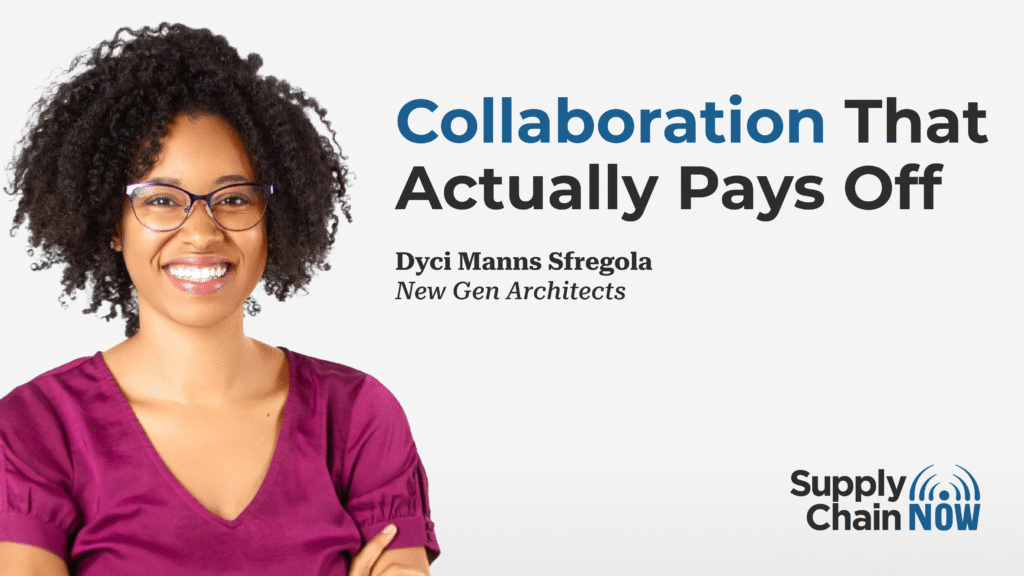
Collaboration That Actually Pays Off
Special Guest Blog Post written by Dyci Sfregola Why planning, procurement, and leadership must move beyond coordination theater Collaboration is one of the most overused (and misunderstood) words in both modern supply chain and construction management. Everyone claims to value it. Few organizations design their operating models to make it work. In a recent conversation, Scott Luton sat down with Dyci Sfregola, author of Next Level Construction Management, to unpack what real collaboration looks like in practice; and why so many well-intentioned efforts fail to deliver measurable results. What “True” Collaborative Planning Really Means According to Sfregola, real collaboration isn’t about more meetings or more dashboards. It’s about working together to create one plan, one set of assumptions, and real tradeoff analysis – – all owned collectively across functions. That includes finance, commercial, marketing, manufacturing, planning, and procurement all working from the same reality. Capacity, labor, cash flow, and constraints are visible. Decisions are documented. Actions actually change what happens next. The most common failure? Confusing information sharing with alignment. Teams often circulate data and emails and call it alignment, but no one in the room has clear decision rights – – or the authority to commit resources…