

The High Cost of Labor Firefighting and Systemic Attrition
Warehouses are not running out of labor. They are running out of labor that can sustain the pace. Manual firefighting, overtime, and constant reassignment push skilled associates to burn out faster than they can be replaced. The result is a cycle of turnover, training, and rising labor costs that slow performance and strain budgets.
This whitepaper breaks down the current state of labor in distribution, including turnover trends, overtime risk, burnout dynamics, and the true cost of churn.
Click here to download and see how labor forces impact throughput, planning, and workforce strategy today.
More

demand sensing
March 3, 2026
Key Demand Sensing and Forecasting Use Cases Across Industries
Special Guest Blog Post written by Chris Cunnane with InterSystems In a world defined by rapid market shifts, volatile supply chains, and unpredictable customer behavior, traditional forecasting methods often fall short. Relying primarily on historical data is no longer enough. To stay competitive, organizations are increasingly turning to demand sensing and forecasting, an approach that blends real-time data, advanced analytics, and AI to anticipate demand more accurately and respond faster to change. This shift is not limited to retail or manufacturing. Demand sensing is transforming how organizations across industries plan operations, allocate resources, and improve service levels. Below, we explore key industry use cases where demand sensing is delivering measurable value, and why businesses should care. Why Demand Sensing Matters Demand sensing moves beyond static historical trends. It incorporates current, high-velocity data signals such as sales transactions, weather patterns, logistics feeds, economic indicators, and even social sentiment to generate short-term demand forecasts that reflect real-world conditions. The benefit is clear. Organizations gain better visibility and responsiveness across procurement, production, inventory, and distribution. Instead of reacting to outdated forecasts, they can make timely decisions that reduce costs, prevent stockouts, and improve customer satisfaction. FMCG, CPG, Retail, & E-Commerce Fast-moving…
circular supply chain
April 10, 2026
Critical Mass: Inside the Coalition Building America’s Circular Supply Chain
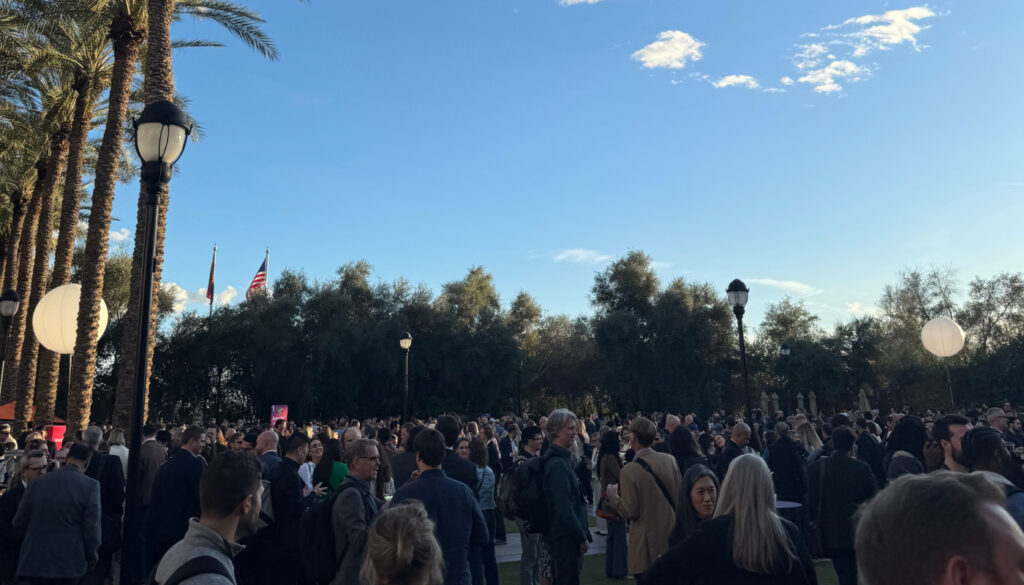
written by Deborah Dull, on site at GreenBiz 2026 It started over drinks, 80s music, and a shared frustration that has probably launched more good organizations than any strategic planning process ever has. The Circular Supply Chain Coalition, or CSCC, came out of a realization that a lot of the right work was already happening, in reverse logistics, in remanufacturing, in local procurement, in community-based value chains, but nobody had connected it. The people doing the work were not in the same room. The companies with the materials were not talking to the processors who could recover them. The states with enabling policies were not linked to the investors looking for exactly those environments. So the coalition became, as its founders describe it, a collector of collectors. The focus right now is on three priority waste streams: batteries, semiconductors, and e-waste. These were not chosen randomly. They have two elements in common. They carry geopolitical consequence, meaning the supply chains behind them are controlled by other countries and that is a known vulnerability. And they have business cases that a CFO can actually evaluate. That second part matters more than people in the sustainability world usually admit. The hub…