Share:

“Even though we’ve got some fantastic numbers, which show how quickly things have begun to recover, we’re still not where we were even two years ago when we were flying like mad in 2018 and early 2019.”

– Bobby Holland, VP/Director of Freight Data Solutions at U.S. Bank


U.S. Bank processed $29.7 billion in freight payment transactions in 2020. Those payments and the data that accompanies them are analyzed quarterly by Bobby Holland VP/Director of Freight Data Solutions at U.S. Bank and his team. The FPI report includes quarter over quarter, year over year, and full year data and analysis.

According to the official report released by U.S. Bank, “The freight market wrapped up 2020 on a positive note with solid improvements in both full-truckload and less-than-truckload shipments – in part due to the growth of e-commerce purchases and single-family-home construction. And with a tight market, shippers paid significantly more during the fourth quarter.”

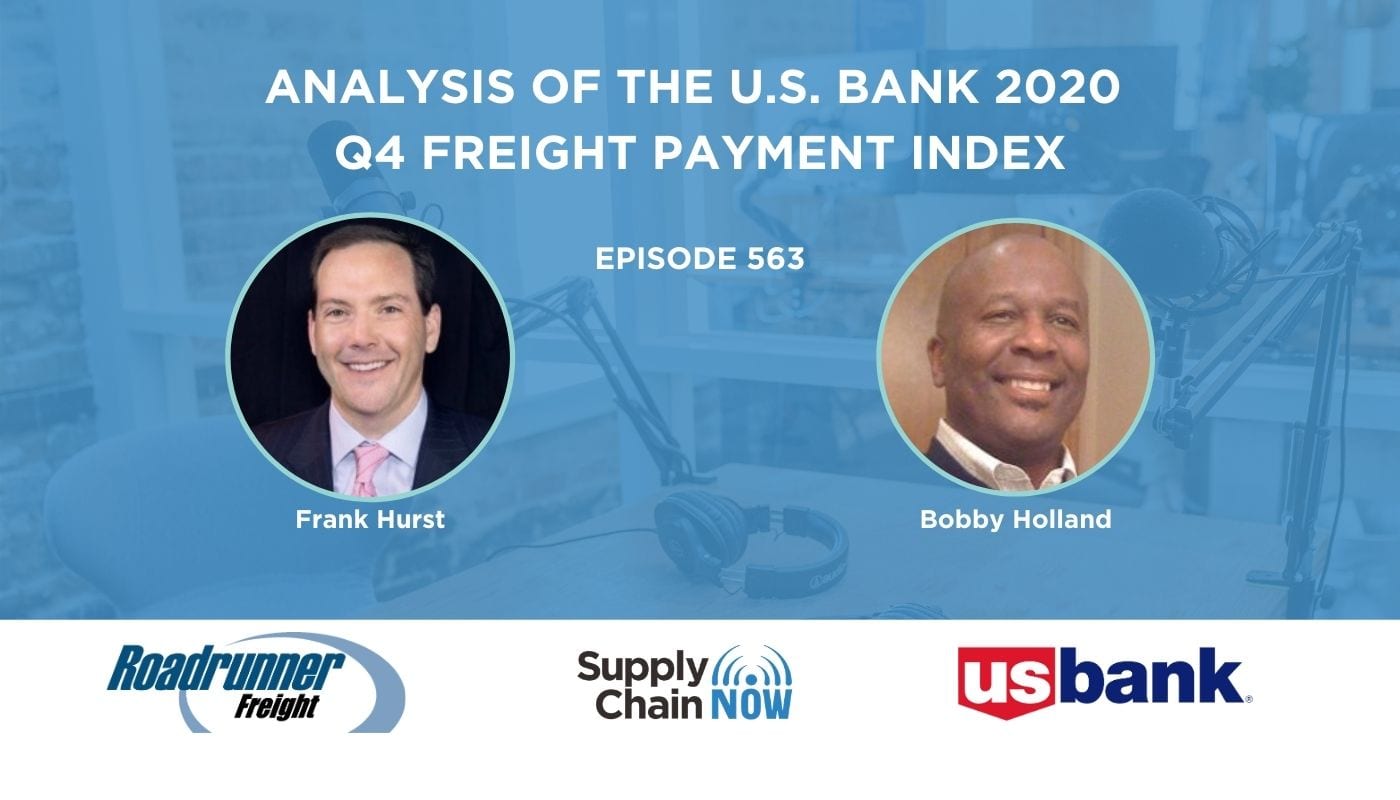
In this interview, Bobby is joined by Frank Hurst, President of Roadrunner Freight, to share the results of the on the Q4 2020 report with Supply Chain Now Co-hosts Greg White and Scott Luton, interpreting what they may mean for the economy and the shipping industry in the short and longer term.

· How trends such as fewer qualified/available drivers, changes in consumer demand, and the question of pricing stability affected the U.S. freight market at the end of 2020

· The differences by region in terms of eCommerce, shipment volumes, and freight capacity

· The signs of hope and growth that Bobby and Frank see in the Q4 data and in other indicators of freight industry-related economic health

More Podcast Episodes
Basura electrónica
play-button-podcast
podcast-blue-microphone
Podcast
November 12, 2025

El Tesoro escondido de tu Basura

En este episodio de Supply Chain Now en Español, Sofía Rivas conversa con Margie Bazán, especialista en sostenibilidad y representante de BG Metal Trade, sobre un tema que todos tenemos literalmente en casa; la basura electrónica. Desde los celulares viejos que guardamos “por si acaso” hasta las laptops olvidadas del home office, Margie nos muestra que dentro de todo eso hay tesoros escondidos. El episodio nos sumerge en el fascinante mundo de la minería urbana, donde los metales preciosos se rescatan de aparatos en desuso para darles una segunda (o tercera) vida. Margie comparte cómo funciona este proceso, los retos en Latinoamérica y por qué Asia lleva la delantera. Además, nos deja una gran reflexión: el reciclaje no es solo un acto ambiental, sino una oportunidad para repensar la cadena de suministro y hacerla más circular. Conoce más de BG Metal Trade aquí: https://www.bgmetaltrade.com/conocenos/ Subscríbete a nuestro canal de YouTube: https://bit.ly/SCNE_YouTube Únete a nuestro newsletter: ⁠https://bit.ly/SCNE_Newsletter Síguenos en LinkedIn: ⁠https://bit.ly/SCNE_LinkedIn Síguenos en Instagram: @supplychainnow_enespanol #SupplyChainNowEnEspañol #CadenasCiruclares #LogísticaLatam #SupplyChain #CadenaDeSuministro #Circularidad #Sustentabilidad #PodcastEnEspañol
reverse logistics
play-button-podcast
podcast-blue-microphone
Podcast
September 29, 2025

Resilience, Strategy, and Orchestration: Supply Chain Leadership Lessons from NFL Champions

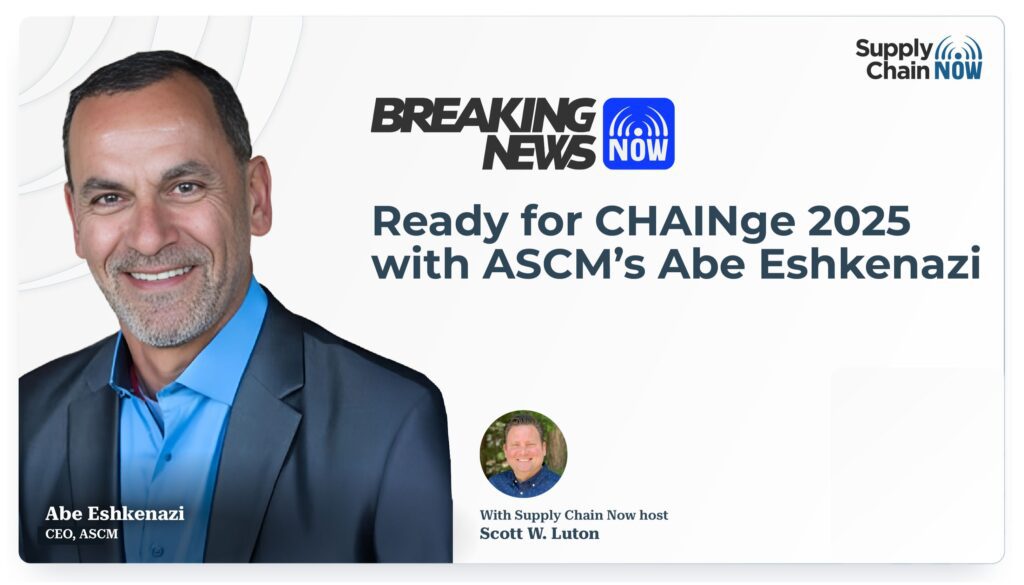
In this episode of Supply Chain Now, Scott Luton welcomes Mike Griswold, Vice President Analyst at Gartner, for a conversation on the future of supply chains. Mike explains why reverse logistics and returns management are now critical, how AI-powered demand sensing improves agility, and why organizations must treat reverse supply chains with the same discipline as forward ones. He also shares predictions on AI certification in hiring and the risk of losing soft skills as technology takes on a bigger role. Using football as a lens, Mike highlights resilience from the Buffalo Bills, core focus from the Ravens, and orchestration from the Patriots—lessons supply chain leaders can apply directly. He also previews Gartner’s Planning Summits, where strategy meets hands-on execution. From tackling fraud in returns to preparing talent for an AI-driven future, this episode offers clear takeaways for balancing technology, people, and process.   This episode is hosted by Scott Luton, and produced by Trisha Cordes, Joshua Miranda, and Amanda Luton.   Additional Links & Resources Check out all the great resources and information mentioned during the show: Connect with Mike Griswold Learn more about Gartner Learn more about our hosts Want more Supply Chain Now? We know you can’t…

Supply Chain is Boring – Episode-563

Share: