

More
August 27, 2021
This Week In Supply Chain Now: August 23rd – 27th
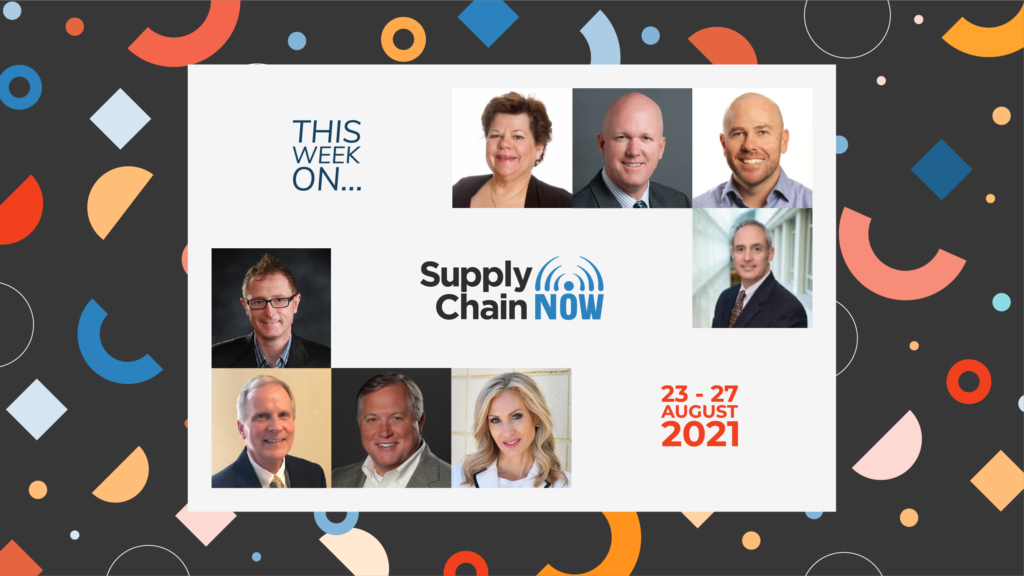
Stay up to date on all the latest conversations, interviews, and episodes we released this week here at Supply Chain Now. We started our week off by publishing a Digital Transformers episode hosted by Kevin L. Jackson. This week he welcomes special guest Trina Limpert with RizeNext. On This Week in Business History, Scott shares a special story that is near and dear to his heart. This episode highlights Scott’s grandfather Dick Rutland. Scott highlights his grandfather’s experiences with Winn-Dixie and Kimberly Clark. On Tuesday, we released an episode of TEKTOK with hosts Scott Luton and Karin Bursa. These two had the amazing opportunity to interview Matthew Harding SVP of Data Science & Engineering, and Ben Cubitt, SVP of Consulting and Network Services at Transplace. For this episode of Supply Chain Now Scott and Greg had the opportunity to interview two important UPS figures: Daniel Gagnon, Vice President of Global UPS Healthcare Marketing and Strategy, and Tim Fosnough, Senior Director of UPS Global Freight Forwarding. During this conversation, UPS responses to the COVID-19 pandemic were discussed. On Thursday, we also released another episode of the Supply Chain Buzz featuring Aaron Meredith from Verusen. Scott, Greg, and Aaron covered all the…
supply chain culture
February 25, 2026
Culture Over Clicks: Marina Mayer on Workforce, Proactivity, and the Real Innovation Story at Manifest 2026
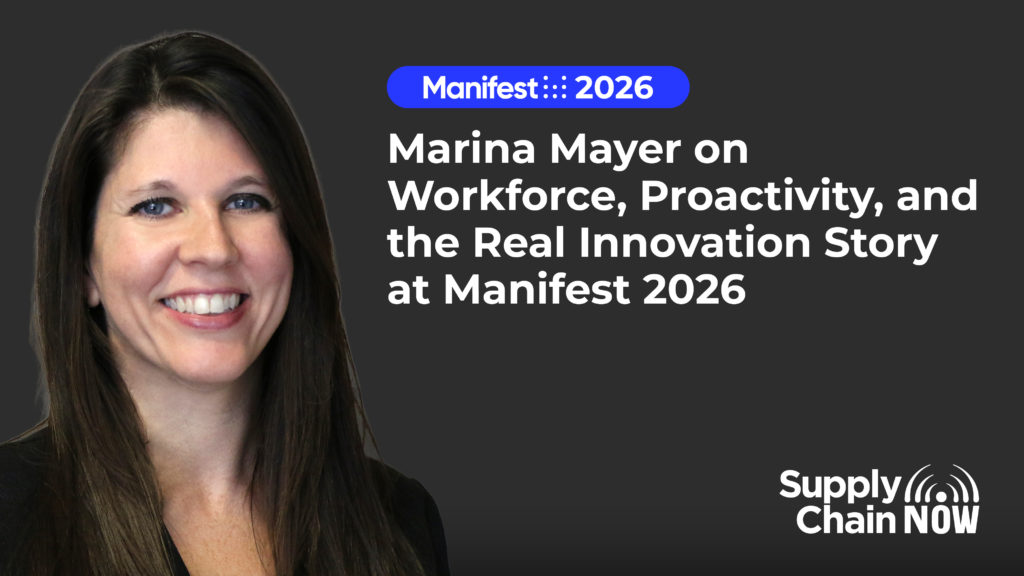
At Manifest 2026, Scott Luton caught up with Marina Mayer, Editor-in-Chief of Food Logistics and Supply & Demand Chain Executive, and Co-Founder and Content Director of the Women in Supply Chain Forum, for a conversation that cut through the tech buzz and landed squarely on what matters most: people. Marina leads two influential digital publications covering the full spectrum of supply chain — from temperature-controlled cold chain logistics to e-commerce and retail — along with four major industry awards programs and the rapidly growing Women in Supply Chain Forum, now entering its fifth year. But amid all the innovation on display in Las Vegas, her message was refreshingly grounded. Disruption Is the Baseline. Proactivity Is the Shift When asked about dominant themes shaping the industry, Marina didn’t hesitate. One common theme linking 2025 and 2026 is that “disruptions obviously still exist,” she said. From tariffs to trade wars to Mother Nature, the hits keep coming. What’s different in 2026 isn’t the disruption itself; it’s the response. Instead of dwelling on what’s gone wrong, companies are getting proactive. Leaders are “acting on it and being proactive about getting in front of it,” she noted. Since COVID, organizations have learned that…