

More
November 5, 2021
This Week In Supply Chain Now: November 1st – November 5th
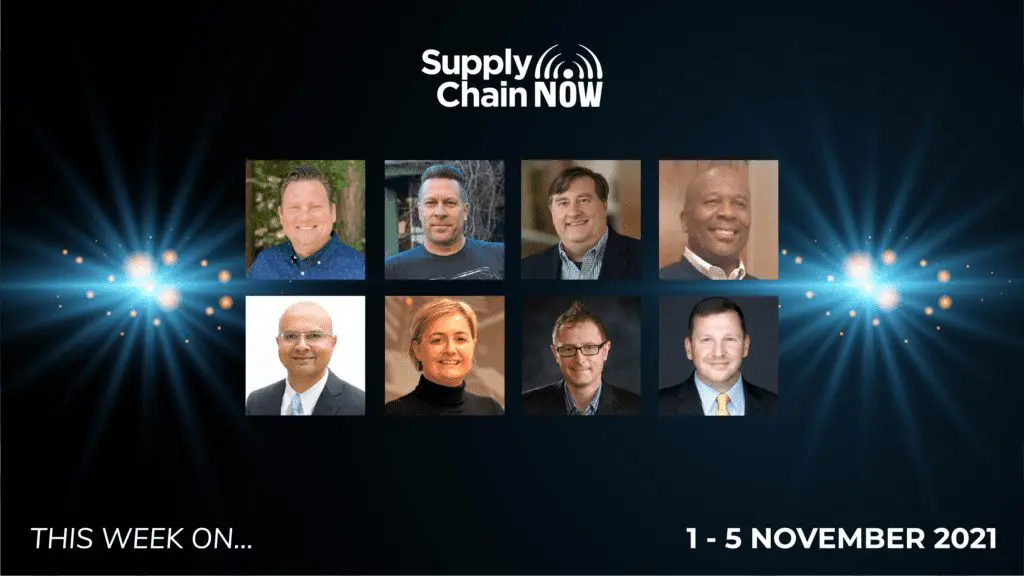
Stay up to date on all the latest conversations, interviews, and episodes we released this week here at Supply Chain Now! We started this week off with an episode of Dial P live with host Kelly Barner. During this episode Kelly talks about supplier diversity, equity, and inclusion with Neeraj Shah, the CEO of Supplier io. For Monday’s This Week In Business History episode, Scott Luton highlights national sandwich day from the interesting facts to stories about some of America’s favorite sandwich brands. On Tuesday, we released a new episode of TEK TOK with host Karin Bursa. Karin talks with Dr. Glenn Richey representing Auburn University. During this episode, these two explain consumer issues ahead of the 2021 holidays and busy shopping season. For this episode of Supply Chain Now live host Scott Luton and Greg White chat with Bobby Holland the Vice President and Director of Freight Data Solutions at U.S. Bank. And Patricia Gabriel, the Vice President of U.S. Customer Service with Mondelez international. The conversation leads to the advancements that Bobby was involved in pertaining U.S Bank and the Quarter 3 reports for Mondelez International. For Thursday, we released an episode of Digital Transformers host with Kevin…
October 2, 2020
This Week on Supply Chain Now: September 26th – October 2nd
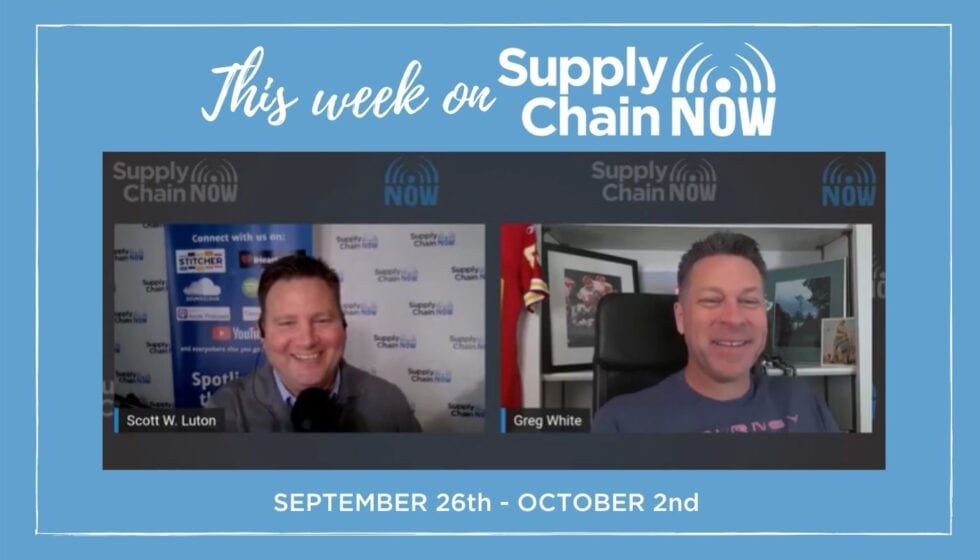
We continued this week on Supply Chain Now with more great interviews, conversations, livestreams, and episodes! Did you miss any episodes? On Saturday, we published an episode of Logistics & Beyond where Jamin interviewed Ryan Schreiber for a great episode on the power of authenticity. Then on Monday, Scott and Greg welcomed self-proclaimed supply chain enthusiast and ambassador, Sofia Rivas Herrera to the podcast. On Tuesday, we published a recent episode of Supply Chain is Boring, with the Supply Chain Doctor Chris Barnes interviewed Ted Stank. We published our Supply Chain Buzz on Wednesday, where Scott & Greg discussed the top supply chain news of the week, as well as great tips and information about breaking into and advancing in supply chain. On Thursday, Scott interviewed Anne Robinson, PhD with Kinaxis for a great conversation on the significance of resiliency versus efficiency in the supply chain, and other corporate leadership topics. And on Friday, we published the first half of Greg’s interview with Sarah Barnes-Humphrey for TECHquila Sunrise. Which was your favorite episode this week? Never miss an episode by subscribing to Supply Chain Now! Make sure you tune in…