

More
August 20, 2021
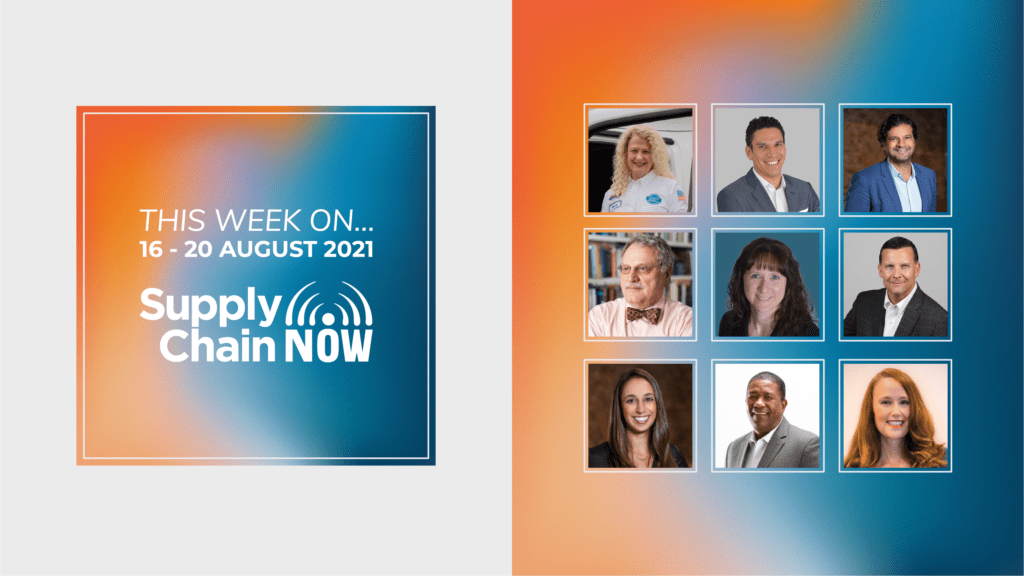
This Week In Supply Chain Now: August 16th – 20th
Stay up to date on all the latest conversations, interviews, and episodes we released this week here at Supply Chain Now. On Monday we released a Supply Chain Now episode with special guest, VP of UPS Ocean Freight, Steve McMichael. During this episode, Steve gives some insightful information on how companies can manage more effectively so that their operations can run in a more timely manner. On This Week in Business History, Kelly Barner talks about the difficulties that came along with Laying the First Transatlantic Telegraph Cable across the Atlantic Ocean. On Monday we also re-released a classic Supply Chain Now en Español episode with Erique Alverez and special guest, Josue Vasquez. In this episode of Logistics With Purpose hosts Enriquez Alvarez and Kristi Porter have a conversation with MAP International Vice President of Global Giving, Jodi Allison. She talks about the global impact that the company has had when it comes to the necessary efforts needed for a crisis such as COVID-19. On Wednesday’s episode of Supply Chain Now, Scott Luton and Greg White welcome Walmart truck driver, April Coolidge, to the show. During this episode, she gives insight into her being a woman in a male-dominated field…
January 2, 2020
Top 10 Supply Chain Management Podcasts You Must Follow in 2020
Supply Chain Now, ranked by Feedspot as number 1 of their Top 10 Supply Chain Management Podcasts You Must Follow in 2020, announced a new strategic initiative that will bring additional insight to their coverage of the best in all things supply chain. In January 2020, the streaming media company kicked-off Supply Chain Today & Tomorrow, a monthly discussion with Gartner Vice President of Research Mike Griswold. VIEW FULL PRESS RELEASE HERE.