

More
logistics
July 25, 2025
The Future of Supply Chains Starts With Better Questions
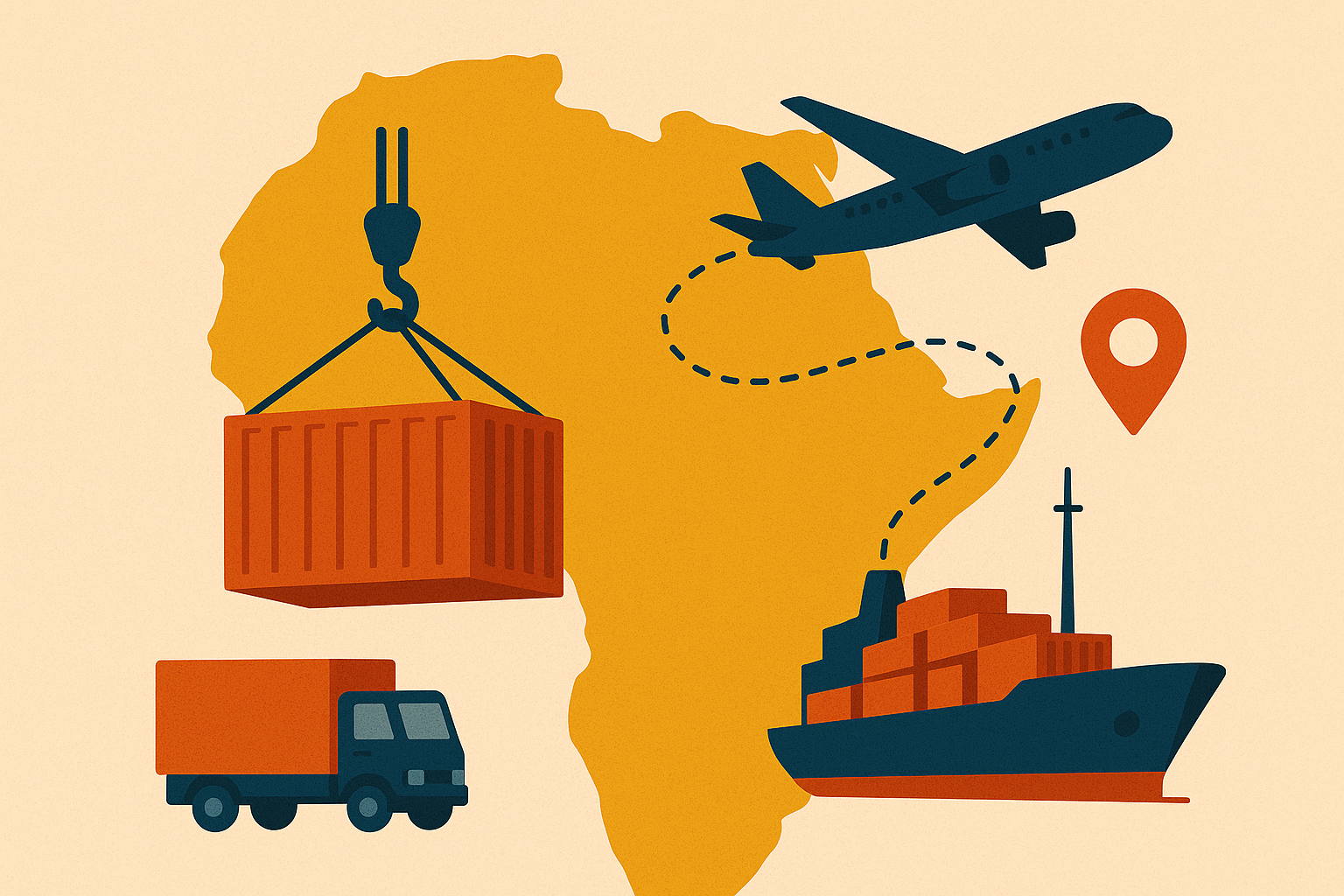
Special Guest Blog Post written by Stela Jaqueta In today’s fast-changing world, Africa’s role in global supply chains is at a tipping point. For too long, the continent has been viewed primarily as a source of raw materials rather than as a strategic partner in value creation. But what if we reimagined everything, from policies and technologies to mindsets and sustainability practices, through an Africa-centered lens? In this blog post, I explore five questions that challenge conventional supply chain thinking. From redefining Africa’s place at the global negotiation table, to elevating cultural intelligence from “soft skill” to strategic necessity, to designing climate-restorative logistics and embracing the digital revolution in a way that includes youth-led and informal businesses, each question is a call to rethink, redesign, and re-center. 1. What would a truly Africa-centered global supply chain look like? A truly Africa-centered global supply chain would shift from a model of extraction to one of empowerment and value creation. It would prioritize investment in local manufacturing, infrastructure, and knowledge transfer, ensuring that raw materials sourced from Africa are processed, packaged, and innovated on the continent. African-led businesses are seen as power players, with a voice and authority at the negotiation…

February 1, 2021
The Digital Supply Chain podcast
Karin Bursa, Host of Supply Chain Now’s TEKTOK was a guest on The Digital Supply Chain Podcast with Tom Raftery. Listen in on the fascinating and wide-ranging conversations covering everything from trends in AI/Ml to data to blockchain, to education. Click here to listen to the entire episode.