

More
supply chain
August 21, 2025
Hire, Onboard, Manage: Treating AI Agents Like New Team Members
Special Guest Blog Post written by Deborah Dull Imagine it’s launch season in your supply chain, and a team of AI agents is hard at work: coordinating shipments with suppliers, allocating inventory, and handling a missed delivery. It’s hard to go a day without hearing about the latest AI headlines: new LLMs, new applications, new use cases. These discussions are part of my every day. Business leaders and IT teams are eager to explore – and they have a lot of questions… and apprehension. In these discussions, we have found one framework that lands consistently: consider AI agents like new hires, not new software. Step 1: Hire Like You Mean It Just like hiring humans, this step is about defining what you need. The first decision is the purpose of the role: what problems are you trying to solve? Where are your people overwhelmed? Where is your business growing in coming months? From here, the next decision is to build the business case just like you would for a new headcount. For example, consider the ROI of having a digital employee who can process supplier performance data 24/7. Now, decide on the type of agent that will join…
August 20, 2021
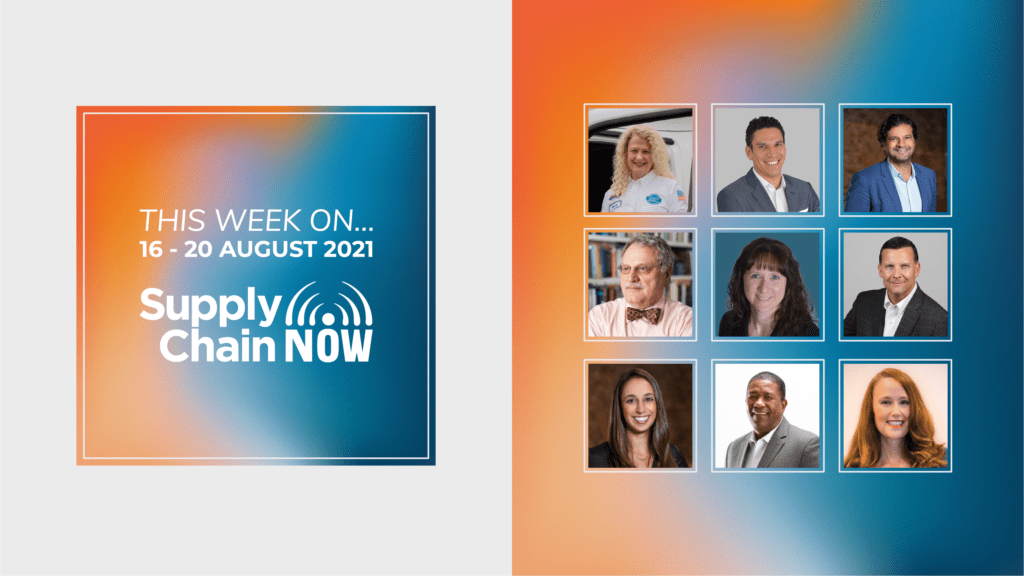
This Week In Supply Chain Now: August 16th – 20th
Stay up to date on all the latest conversations, interviews, and episodes we released this week here at Supply Chain Now. On Monday we released a Supply Chain Now episode with special guest, VP of UPS Ocean Freight, Steve McMichael. During this episode, Steve gives some insightful information on how companies can manage more effectively so that their operations can run in a more timely manner. On This Week in Business History, Kelly Barner talks about the difficulties that came along with Laying the First Transatlantic Telegraph Cable across the Atlantic Ocean. On Monday we also re-released a classic Supply Chain Now en Español episode with Erique Alverez and special guest, Josue Vasquez. In this episode of Logistics With Purpose hosts Enriquez Alvarez and Kristi Porter have a conversation with MAP International Vice President of Global Giving, Jodi Allison. She talks about the global impact that the company has had when it comes to the necessary efforts needed for a crisis such as COVID-19. On Wednesday’s episode of Supply Chain Now, Scott Luton and Greg White welcome Walmart truck driver, April Coolidge, to the show. During this episode, she gives insight into her being a woman in a male-dominated field…