

More
February 10, 2025
Team Collaboration and PCB Design
How do I select a tool for PCB design collaboration? PCB design has evolved from a single designer handling layouts to a collaborative effort among experts, especially for complex products like tablets and smartphones. With teams often working remotely, effective collaboration tools are essential to avoid errors and delays. Download this white paper to answer the following questions: Is there a downside to working on a group PCB design environment in the absense of a powerful collaborative PCB design tool? How can a PCB design tool with robust collaboration tools benefit your team? What collaboration features should you look for when considering your options for PCB design tools? Download the White Paper Here
technology
October 30, 2025
The Power of Partnership in Supply Chain Automation
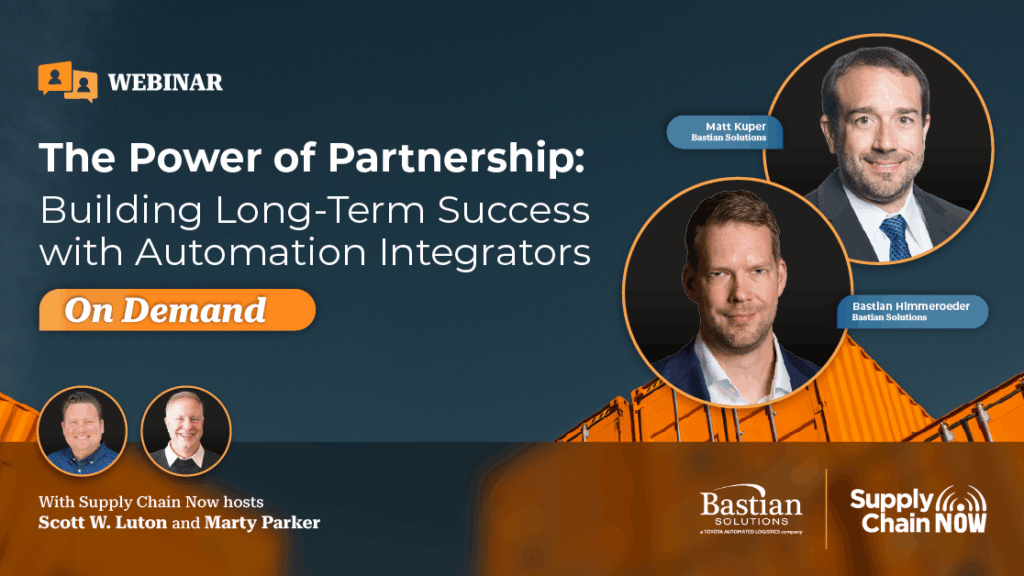
Key Takeaways from the Supply Chain Now Webinar with Bastian Solutions In today’s fast-changing world of logistics and manufacturing, one truth is clear: there’s no hiding from automation. Whether you’re a global enterprise or a growing regional player, success depends on choosing the right technology—and, just as importantly, the right partner. In a recent Supply Chain Now webinar, The Power of Supply Chain Partnerships, hosts Scott Luton and Marty Parker sat down with Matt Kuper and Bastian Himmeroeder from Bastian Solutions, a Toyota Automated Logistics company, for an in-depth conversation about how to unlock the true potential of automation through strong integrator relationships. Here are a few key takeaways that stood out: 1. Strategic Partnerships Trump One-Off Projects According to Bastian, the age of “one-and-done” automation projects is over. Today’s complexity demands long-term, strategic relationships between companies and their integrators—ones built on transparency, shared values, and a deep understanding of each other’s goals. 2. Culture Fit Matters as Much as Technology Matt emphasized that cultural alignment is the first critical element in selecting an integrator. Shared values, open communication, and mutual respect ensure that the partnership thrives well beyond implementation. 3. Experience and Support Drive Success Choosing a partner with…