

More
China
October 25, 2022
Cyberattacks: Western countries hack each other too. Here’s why
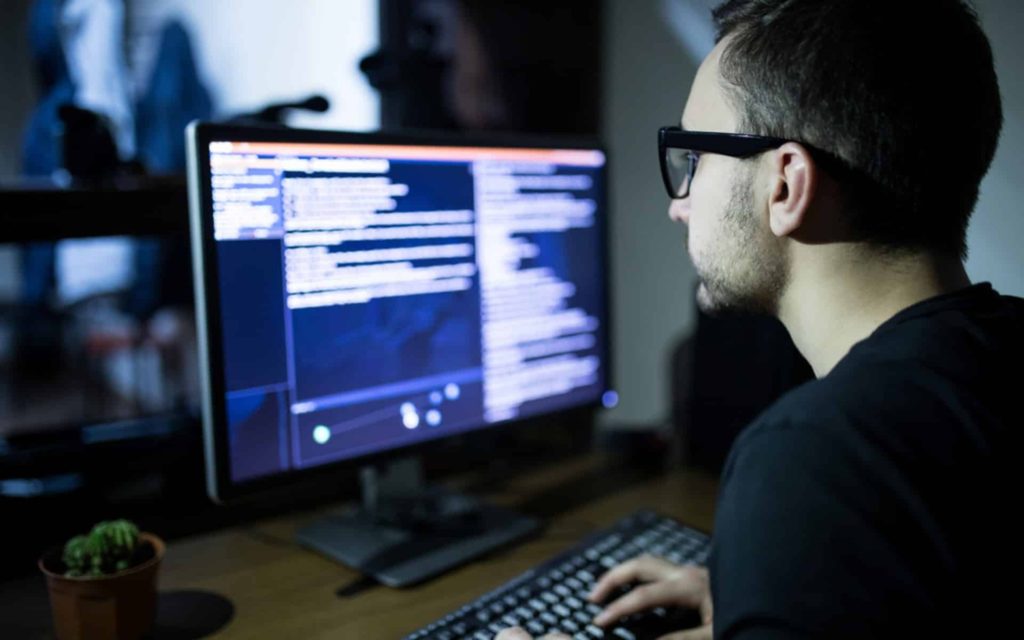
Cyber-attacks are a common feature of today’s political and economical climate, with rogue nation-states using the power of the internet to target countries by influencing elections, stealing technology and compromising government data. Digital Transformers host Kevin L. Jackson recently explained that western countries hack each other too, and the reasons why in a recent article he wrote for the UK’s Reaction website. Read the entire article here.
October 15, 2021
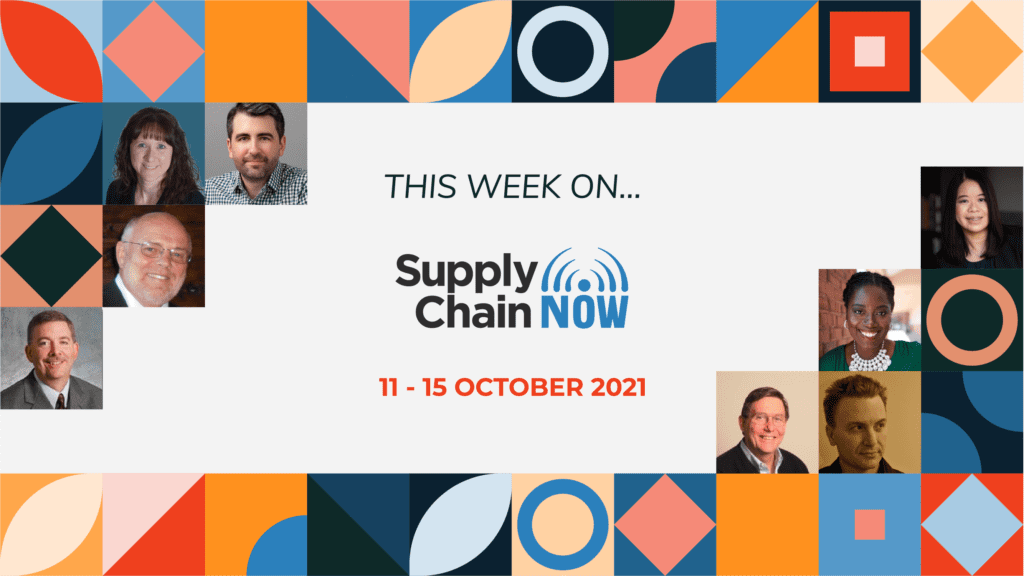
This Week In Supply Chain Now: October 11th – 15th
Stay up to date on all the latest conversations, interviews, and episodes we released this week here at Supply Chain Now! We kicked this week off with a special episode of Supply Chain Now featuring Mike Griswold. Scott, Kelly, and Mike discuss the key takeaways from the Gartner Supply Chain Symposium/Xpo 2021. For Monday’s This Week In Business History, Kelly gives insight on two notable figures who have made some amazing strides in theoretical economic science research. On Tuesday, we released an episode of Supply Chain Now with host Scott Luton. Scott had the opportunity to chat with Theodora Lau the Founder of Unconventional Ventures and Bradley Leimer the Co-Founder of Unconventional Ventures. They discuss some of the amazing points in their book titled “Beyond Good: How Technology Is Leading a Purpose-Driven Business Revolution.” We also released an episode of Logistics With Purpose this week. Host Enrique and Monica talk with Dave Schweidenback the Founder and CEO of Pedals for Progress. Dave shares the story behind the logistics of shipping 4,800 bikes across 45 different countries. For Thursday’s Supply Chain Now episode Scott interviews communications expert Monique Russell from Clear Communications, LLC. This conversation is all about effective communication and…