

More
workforce
April 28, 2026
The Workforce Reality Check: Why Supply Chains Still Run on People
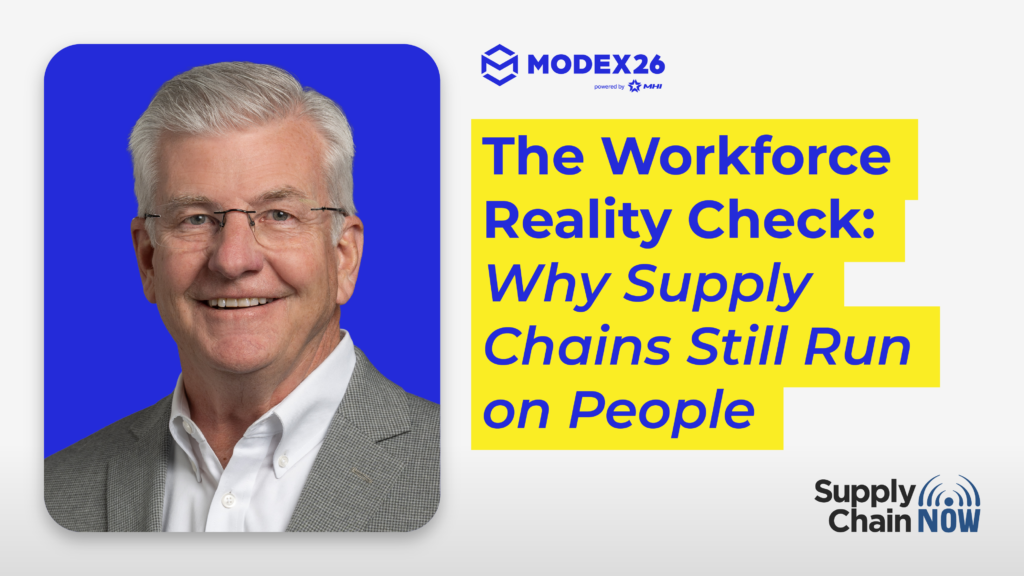
At the jampacked MODEX 2026 in Atlanta, Scott Luton sat down with Brian Devine, President & CEO of Ignite Industrial Professionals, for a grounded and timely conversation about one of the most pressing issues in global supply chain: the workforce. While automation continues to dominate headlines, Devine makes one thing clear: people are still at the center of it all. And finding them is getting harder by the day. “Fingerprints on Every Box” Despite rapid advancements in robotics and automation, Devine emphasizes a fundamental truth that often gets overlooked. “There’s still… fingerprints on boxes. Somebody’s putting their fingerprints on tons of boxes to move it to the next phase of the supply chain,” he explains. Even in many highly automated environments, human labor remains essential. Devine shares an example of a cutting-edge facility where autonomous forklifts handle part of the process, but still rely on human operators to complete the job. The takeaway? Automation is largely augmenting, rather than replacing, the workforce. And that makes the labor shortage even more critical to address. A Shrinking Labor Pool One of the most compelling parts of the discussion centers on simple supply-and-demand economics. The labor pool isn’t just tight. It’s…
November 5, 2021
This Week In Supply Chain Now: November 1st – November 5th
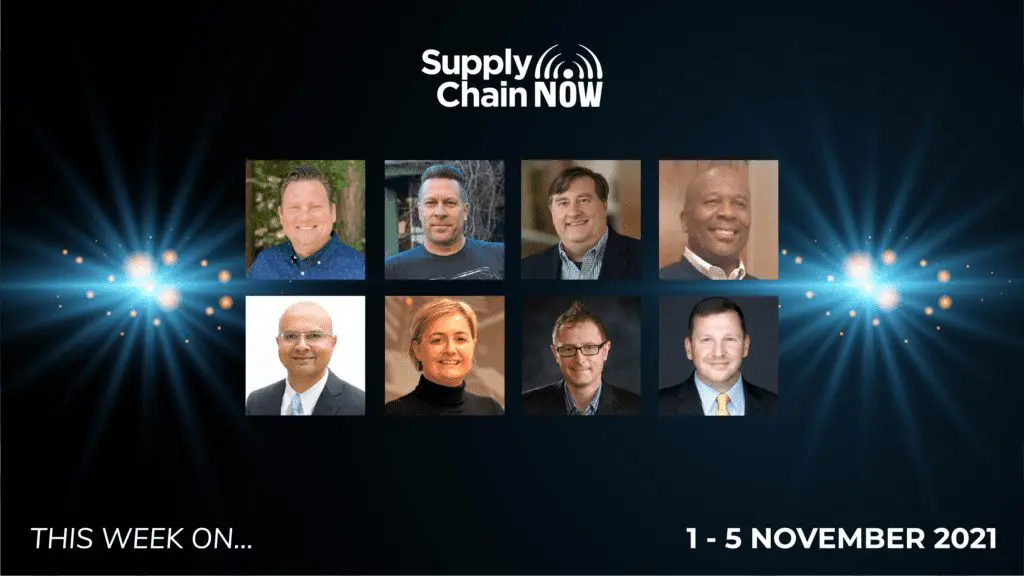
Stay up to date on all the latest conversations, interviews, and episodes we released this week here at Supply Chain Now! We started this week off with an episode of Dial P live with host Kelly Barner. During this episode Kelly talks about supplier diversity, equity, and inclusion with Neeraj Shah, the CEO of Supplier io. For Monday’s This Week In Business History episode, Scott Luton highlights national sandwich day from the interesting facts to stories about some of America’s favorite sandwich brands. On Tuesday, we released a new episode of TEK TOK with host Karin Bursa. Karin talks with Dr. Glenn Richey representing Auburn University. During this episode, these two explain consumer issues ahead of the 2021 holidays and busy shopping season. For this episode of Supply Chain Now live host Scott Luton and Greg White chat with Bobby Holland the Vice President and Director of Freight Data Solutions at U.S. Bank. And Patricia Gabriel, the Vice President of U.S. Customer Service with Mondelez international. The conversation leads to the advancements that Bobby was involved in pertaining U.S Bank and the Quarter 3 reports for Mondelez International. For Thursday, we released an episode of Digital Transformers host with Kevin…