

More
December 16, 2020
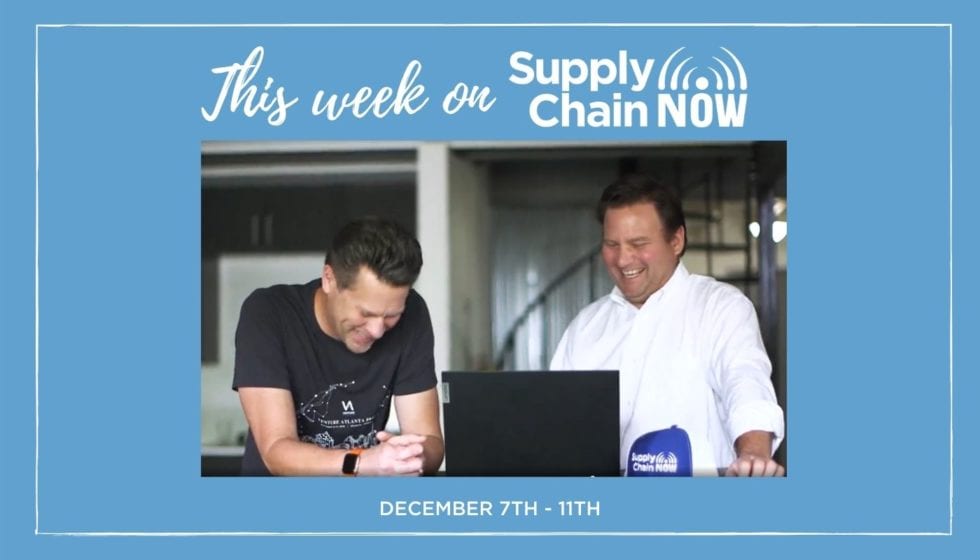
This Week on Supply Chain Now: December 7th – 11th
Get Ready to increase your supply chain IQ! We’ve got all the latest episodes, interviews, conversations, and livestreams right here from Supply Chain Now this week. On Saturday, Supply Chain Now hosts Scott Luton, Greg White, and Jamin Alvidrez share their perspective on the industry, top business challenges, and what their priorities are. On Monday, Fred Tolbert, Principal at Southeast Demand Solutions in Marietta Georgia, joined the Supply Chain Now team for a recent livestream to discuss the pandemic, the latest supply chain industry news, and what new developments we can expect to see going forward. On Tuesday’s podcast episode, Stephanie Stuckey of Stuckey’s Corporation joined us for our Full Access series to share her professional journey. On Wednesday, Scott welcomed Shan Muthuvelu and Steffanie Ness with UCBOS to talk about the convergence of retail and eCommerce supply chains as well as the importance of metadata On Thursday, David Shillingford with Resilience360 joined us on the Supply Chain Buzz to discuss the top news in supply chain with Scott & Greg. And our final episode this week Polly Mitchell-Guthrie and Patrick Van with Kinaxis join us too talk about what true supply chain resilience looks…
October 8, 2021
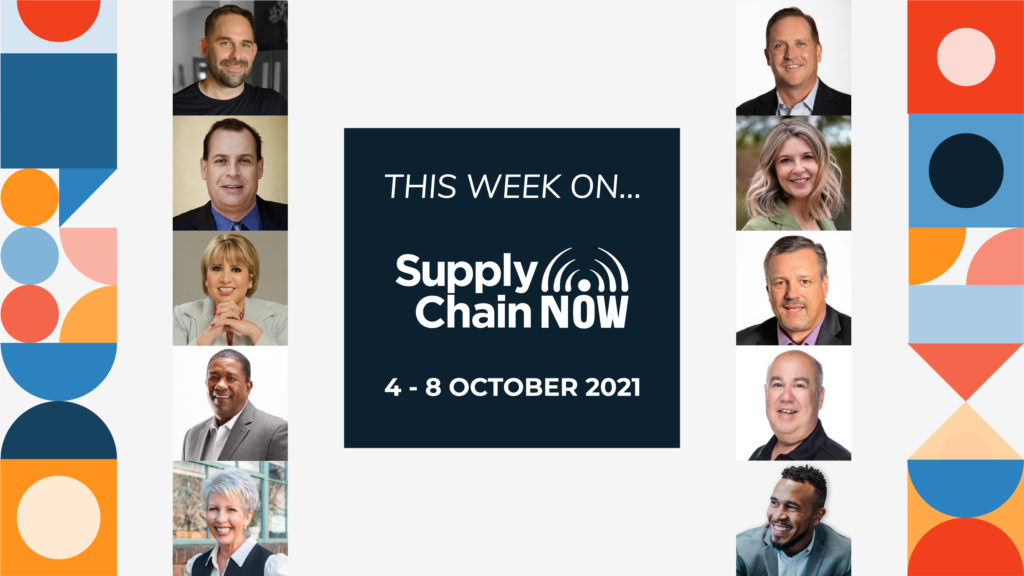
This Week In Supply Chain Now: October 4th – 8th
Stay up to date on all the latest conversations, interviews, and episodes we released this week here at Supply Chain Now! Kelly Barner and Scott Luton brought in the week with an episode of Dial P for Procurement on Supply Chain Now. For this episode, the P in Dial P is for payments. Kelly and Scott welcome Kris Lance with Una and Jim Luff with Chosen Payments, to the show. For Monday’s This Week In Business History, Scott covers the many hats that Ray Kroc wore as he built the Mcdonald’s global brand. On Tuesday, we released another episode of TEKTOK with Karin Bursa and special host Kevin L. Jackson. This episode is all about BLOCKCHAIN, from the basics to process improvements. On Wednesday’s episode of Supply Chain Now, Scott and Greg welcomed Tim Holland, Contingent Workforce and Talent Acquisition Leader and Barb Sexton Vice President, Partner Development for Corporate Services with OMNIA Partners, LIVE to the show as they broadcast from the OMNIA Partners 2021 Connections Event in Miami. Scott and Greg had another opportunity to chat with OMNIA Partners leaders at the 2021 Connections Event as they welcomed Stephen Laratta, Vice President of Partner Development, MRO and Facilities…