
More
operations
July 31, 2025
5 questions I frequently get asked about automating operations with AI
Special Guest Blog Post written by Parabola Founder & CEO, Alex Yaseen Operators are under pressure. They’re expected to move faster, do more with less, and somehow keep everything running smoothly while their systems, tools, and data are a mess. Now, AI is adding a whole new layer. On one hand, it’s exciting. The potential is real. On the other, a lot of teams feel stuck. They know they should be using AI, but they’re not sure where it fits into their day-to-day work. These are the five questions I get asked most often—whether someone’s trying to get started with automation, or trying to figure out how AI actually helps. 1. Can we automate this, or is it too messy? This question usually comes from someone deep in a spreadsheet that was never meant to scale. The short answer is: yes, you can probably automate it. But the longer answer is that you’ll need to rethink the process first. AI can help summarize, transform, and clean data—but it won’t fix a broken workflow. That’s on you. The best teams pair structured automation with lightweight AI to get leverage. Think: using rules and logic to standardize a workflow, and AI…
October 29, 2020
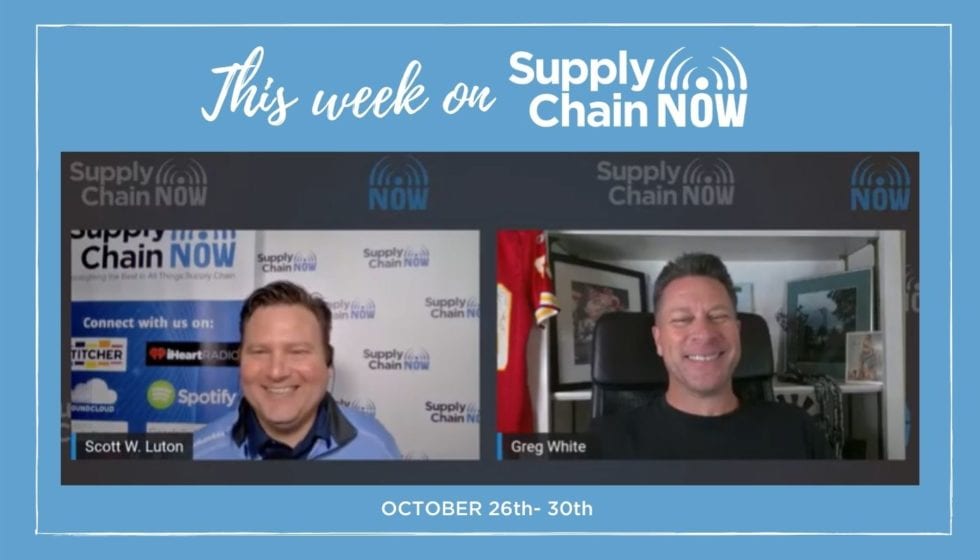
This Week on Supply Chain Now: October 26th – 30th
It’s been a great week on Supply Chain Now! Make sure you’re up to date on all the latest episodes, interviews, conversations, and livestreams right here. On Saturday, Kelly Barner with Buyers Meeting Point joined Scott and Greg on the podcast to share her thoughts on the priorities & challenges within procurement as well as key takeaways involving GPO & Mastermind Live 2020. On Monday, Scott and Greg welcome Diego Martinez with Coca-Cola and Mike Lackey with SAP to dive into the critical role supply chain plays in Atlanta, full of key takeaways that relate back to business regardless of where you live. On Tuesday, Phil Rich, SVP & CSCO with Sweetwater, shares his perspective with Supply Chain Now Co-hosts Greg White and Scott Luton on how to guarantee quality customer experiences. On Wednesday, Scott and Greg hosted the Supply Chain Buzz where they welcomed HR Expert & Consultant John Holly, who shared everything you need to know when it comes to supply chain talent right now. On TECHquila Sunrise this Thursday, Greg White reflected on the best moments from the podcast since August with featured technology founders, investors, and visionaries. We ended the week…