
More
demand sensing
March 3, 2026
Key Demand Sensing and Forecasting Use Cases Across Industries
Special Guest Blog Post written by Chris Cunnane with InterSystems In a world defined by rapid market shifts, volatile supply chains, and unpredictable customer behavior, traditional forecasting methods often fall short. Relying primarily on historical data is no longer enough. To stay competitive, organizations are increasingly turning to demand sensing and forecasting, an approach that blends real-time data, advanced analytics, and AI to anticipate demand more accurately and respond faster to change. This shift is not limited to retail or manufacturing. Demand sensing is transforming how organizations across industries plan operations, allocate resources, and improve service levels. Below, we explore key industry use cases where demand sensing is delivering measurable value, and why businesses should care. Why Demand Sensing Matters Demand sensing moves beyond static historical trends. It incorporates current, high-velocity data signals such as sales transactions, weather patterns, logistics feeds, economic indicators, and even social sentiment to generate short-term demand forecasts that reflect real-world conditions. The benefit is clear. Organizations gain better visibility and responsiveness across procurement, production, inventory, and distribution. Instead of reacting to outdated forecasts, they can make timely decisions that reduce costs, prevent stockouts, and improve customer satisfaction. FMCG, CPG, Retail, & E-Commerce Fast-moving…
July 10, 2020
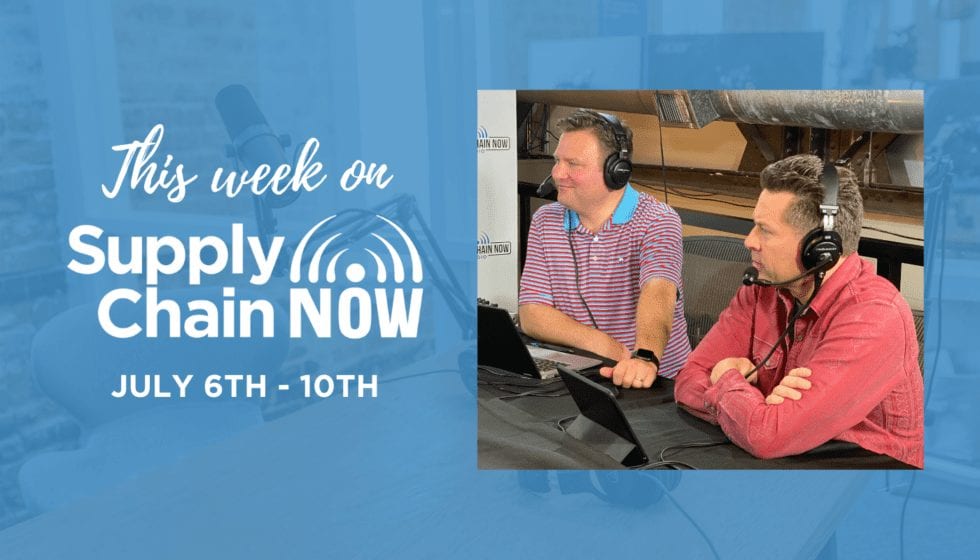
This Week on Supply Chain Now- July 6th – 10th
Another great week here at Supply Chain Now! Did you catch all the episodes? If not, you can check them all out here: We kicked off the week with This Week in Business History, where Scott looks back at some of the biggest historical events in business history for the week ahead, including the birth of the Coca-Cola Company. Supply Chain Now · “This Week in Business History for July 6th: The Birth of the Coca-Cola Company” Then on Tuesday, Scott and Greg welcomed John Buglino with Optessa to the podcast to discuss simplifying and streamlining operations. Supply Chain Now · “Simplifying & Streamlining Operations: John Buglino with Optessa” On Wednesday we published the Supply Chain Buzz, where Greg and Scott discussed the top supply chain news of the week, and were joined by special guest Tevon Taylor, with FedEx Supply Chain. Supply Chain Now · “Supply Chain Buzz for July 6th: Featuring Tevon Taylor with FedEx Supply Chain” On Thursday, we continued our new series, TECHquila Sunrise with Greg White, where Greg shares the latest investments, acquisitions, innovations, and glorious implosions in Supply Chain Tech every week. Supply Chain Now…