

More
supply chain planning
January 16, 2026
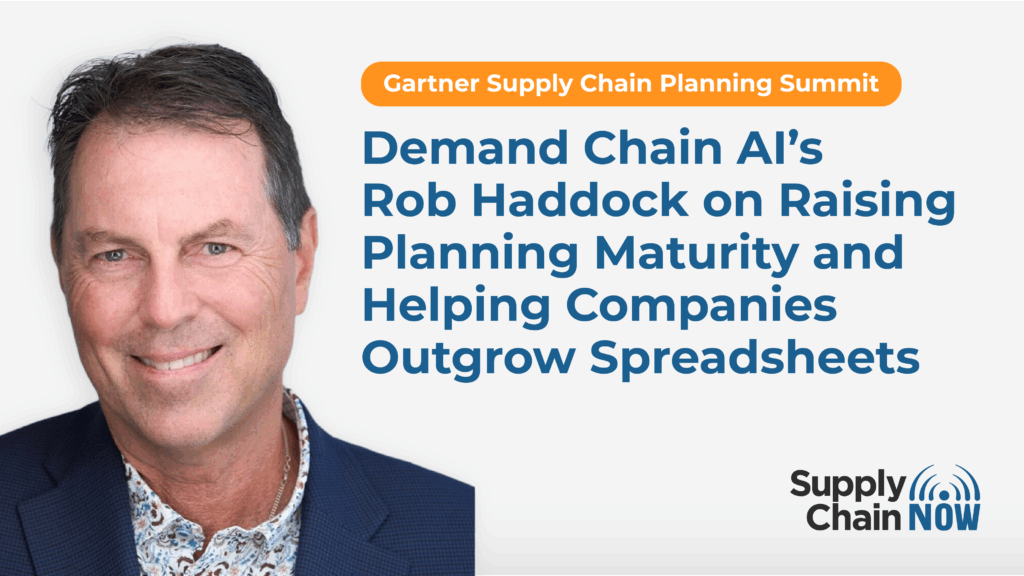
Demand Chain AI’s Rob Haddock on Raising Planning Maturity and Helping Companies Outgrow Spreadsheets
At the Gartner Supply Chain Planning Summit in Denver, Scott Luton caught up with Rob Haddock, a seasoned supply chain practitioner and advisor with Demand Chain AI, to discuss the persistent planning challenges organizations face—and why maturity, discipline, and optimization still matter more than buzzwords. Demand Chain AI blends consulting services with advanced supply chain technologies, focusing on optimization across trade promotion management, demand sensing, supply planning, and detailed production scheduling. Haddock’s role centers on helping organizations strengthen business processes—particularly sales and operations planning (S&OP), performance reporting, and the practical application of technology to improve execution on both the demand and supply sides. A Practitioner’s Perspective on Planning Gaps Haddock’s perspective is shaped by decades spent inside large, sophisticated supply chain organizations. Early in his career, he worked within an iconic, global beverage company where advanced planning environments were already in place—though, in hindsight, he admits those tools were sometimes underutilized. Today, Haddock spends much of his time working with small and mid-sized organizations that haven’t been as fortunate. In many of these environments, planning maturity is still low, foundational practices are missing, and—unsurprisingly—Excel remains the primary planning tool. “Basic business practices that have been around since the 1990s…
September 24, 2021
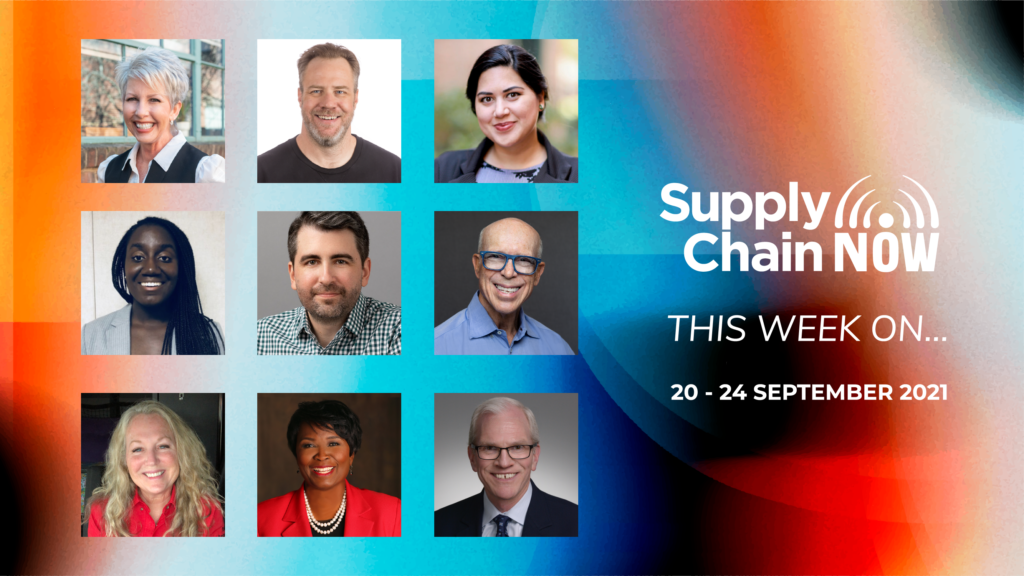
This Week In Supply Chain Now: September 20th – September 24th
Stay up to date on all the latest conversations, interviews, and episodes we released this week here at Supply Chain Now! On Monday, we started the week off with a special episode of our #SupplyChainCity series Supply Chain Now with Scott Luton and special host Ben Harris. These two chat with Stacey Key, President and CEO of the Georgia Minority Supplier Development Council, and George Richter, SVP of Supply Chain Management at Cox. On This Week In Business History, Kelly covers the stories of three unsung heroes who have contributed their knowledge and talents to a few surprising industries. On Tuesday, we released a classic TEKTOK episode with host Karin Bursa, and featuring Craig Ablin, a supply chain management expert who has spent over 25 years in the industry. On Wednesday’s episode of Supply Chain Now, Scott welcomes back special guest host Ward Richmond and professional OTR driver and training engineer for Schneider, Kellylynn McLaughlin. On Thursday, Scott and guest host Tony Sciarotta welcomed Executive Chairman of G2 Reverse Logistics, Herb Shear, in another episode of our Reverse Logistics Series. On Friday, we published Monday’s Supply Chain Buzz livestream. Scott and Greg welcomed James Malley, the Co-Founder and CEO of…