
More
supply chain podcast
April 8, 2025
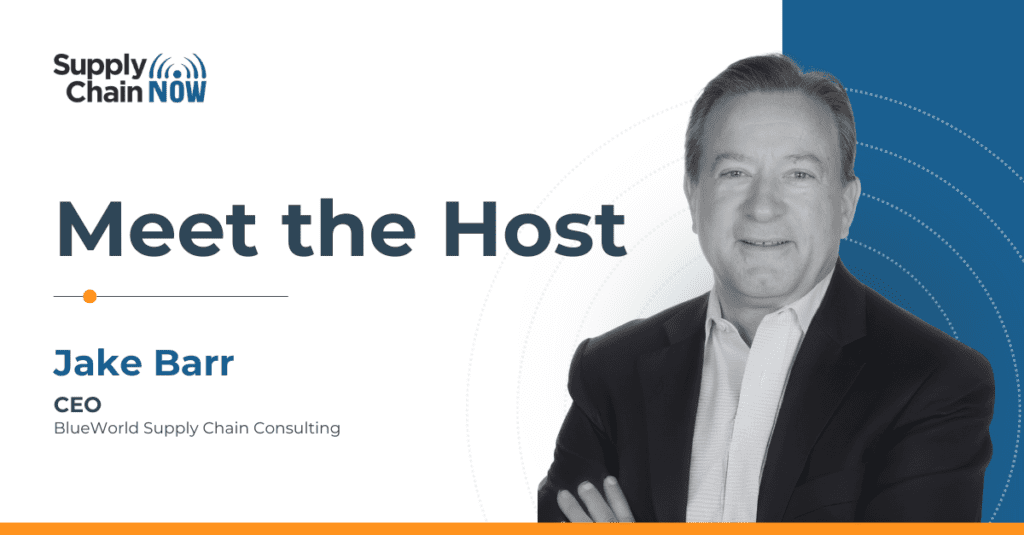
Meet the Supply Chain Now Host: Jake Barr
Supply Chain Now is the voice of the supply chain industry, and our hosts are experts in the field. Podcast listeners and webinar viewers tune in to hear the sage advice of host Jake Barr, heralded as an architect of global supply chain strategy and creator of “profit powerhouses.” Earning His Spot on Stage Barr today is the CEO of BlueWorld Supply Chain Consulting, which provides support to such Fortune 500 companies as Cargill, Caterpillar, 3M, PepsiCo, and Pfizer and helps them bring products to market. “We place a premium on accelerating speed to market by leveraging supply chain transformation,” he says. “The result is better operating margin performance and the opportunity to drive faster growth in revenue.” During his more than 33 years with Procter & Gamble, Barr served as the global director of supply network operations and led the end-to-end planning transformation project, which created control towers that now manage the daily business globally and earned him recognition as the architect for the company’s demand-driven supply chain strategy. He served on the MIT Center for Transportation & Logistics advisory council for its Supply Chain 2020 Project, was named to the League of Leaders for retail and consumer goods…
October 15, 2021
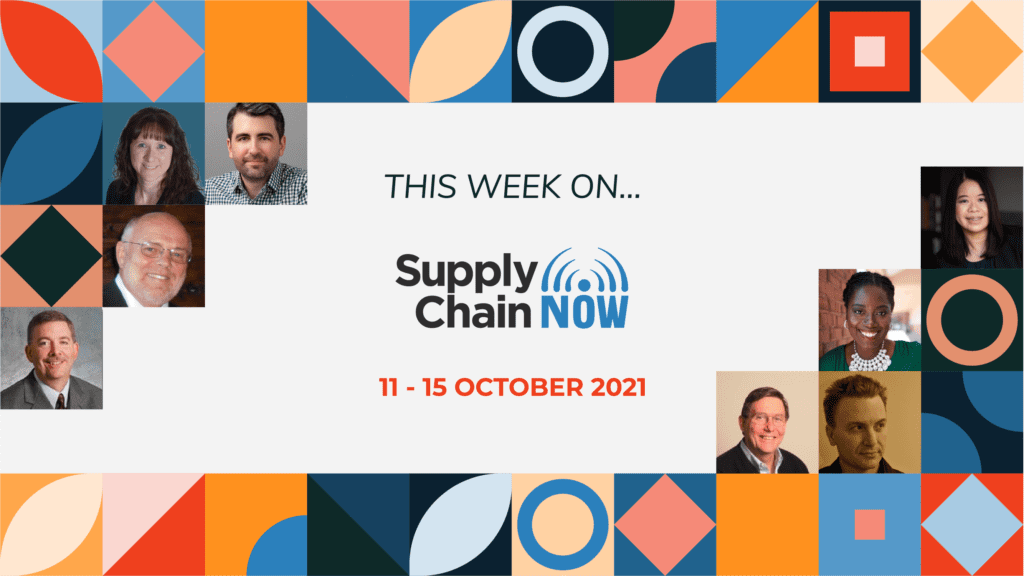
This Week In Supply Chain Now: October 11th – 15th
Stay up to date on all the latest conversations, interviews, and episodes we released this week here at Supply Chain Now! We kicked this week off with a special episode of Supply Chain Now featuring Mike Griswold. Scott, Kelly, and Mike discuss the key takeaways from the Gartner Supply Chain Symposium/Xpo 2021. For Monday’s This Week In Business History, Kelly gives insight on two notable figures who have made some amazing strides in theoretical economic science research. On Tuesday, we released an episode of Supply Chain Now with host Scott Luton. Scott had the opportunity to chat with Theodora Lau the Founder of Unconventional Ventures and Bradley Leimer the Co-Founder of Unconventional Ventures. They discuss some of the amazing points in their book titled “Beyond Good: How Technology Is Leading a Purpose-Driven Business Revolution.” We also released an episode of Logistics With Purpose this week. Host Enrique and Monica talk with Dave Schweidenback the Founder and CEO of Pedals for Progress. Dave shares the story behind the logistics of shipping 4,800 bikes across 45 different countries. For Thursday’s Supply Chain Now episode Scott interviews communications expert Monique Russell from Clear Communications, LLC. This conversation is all about effective communication and…