

More
supply chain planning
January 13, 2026
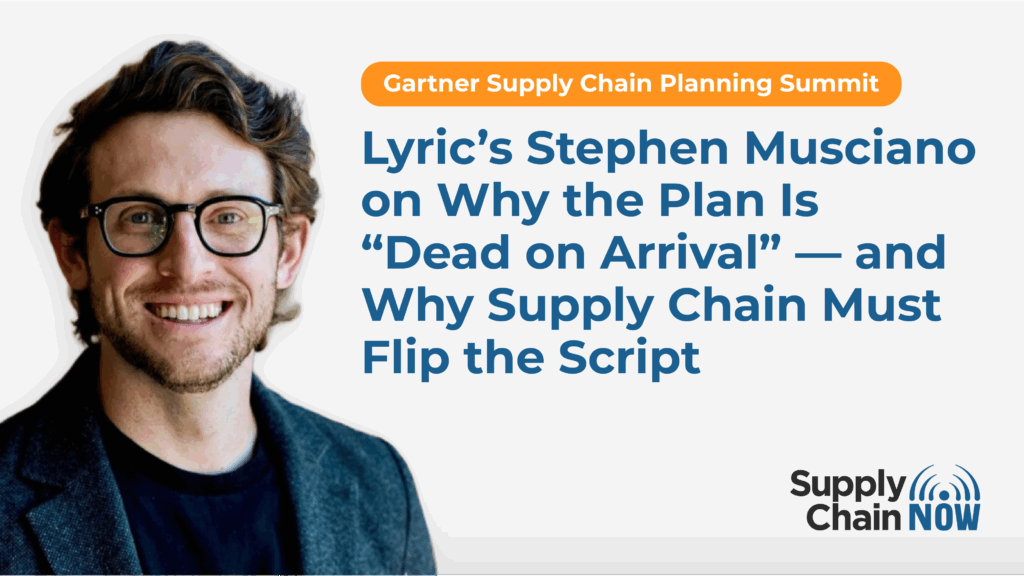
Lyric’s Stephen Musciano on Why the Plan Is “Dead on Arrival” — and Why Supply Chain Must Flip the Script
At the Gartner Supply Chain Planning Summit in December 2025, Scott Luton sat down with Stephen Musciano, a former practitioner turned technology leader who now helps transform supply chain organizations through Lyric—a fast-growing, math-first, AI-native platform redefining what supply chain technology can be. Musciano, who began his supply chain career at companies such as New Balance and Under Armour, brings both real-world execution experience and deep technical vision to his work. That mix is central to what makes Lyric—and its philosophy—stand apart. Lyric: A Platform, Not a Point Solution Musciano described Lyric as fundamentally different from traditional vendors. Rather than offering a single application or fixed module suite, Lyric provides a true supply chain platform in Lyric Studio—one built from composable, no-code building blocks that allow companies to create exactly what they need. “Think Legos,” Musciano explained. “We’re not selling you a car or a house. We give you the blocks so you can build what your supply chain truly needs. We might even give you a starter kit but the configuration and molding it to fit your business and your problem is where the magic happens.” Lyric Studio is intentionally designed centered on non-technical practitioners—people like “Maria,” Lyric’s…
May 17, 2021
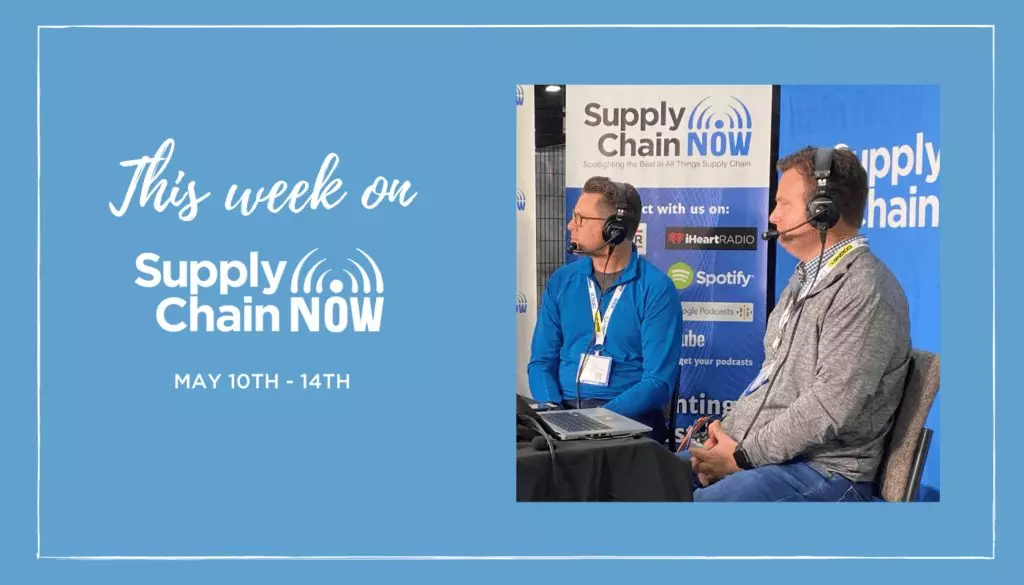
This Week In Supply Chain Now: May 10th – 14th
Get ready to increase your supply chain IQ! We’re looking back on the latest episodes, interviews, conversations, and livestreams from this week right here. On Monday, we released 2 new episodes! In this episode of Digital Transformers,hosts Kevin L. Jackson and Scott Luton learn about the power of the IBM cloud ecosystem from Brian Fallon, Vice President of Global Sales for the IBM Partner Ecosystem. On This Week in Business History, Kelly Barner dives into the rise of Warren Buffet, the completion of the transcontinental railroad, some interesting business birthdays, & the invention of the tubeless tire. On Tuesday, we released 2 new episodes! On this episode of Supply Chain Now, Gugulethu Hughes, Founder of Clinch, joins our hosts Scott and Greg to share the number one challenge for the startup economy in Africa, why corporate social responsibility programs are falling short in eliminating child labor, & more. On TECHquila Sunrise, host Greg White welcomed stealthy startup co-founder and Venture Partner at Kubera Venture Capital, Sena Zorlu, to look into the minds of investors, revealing what makes them tick and how founders can communicate clearly with them. On Wednesday, we released an episode in our Reverse Logistics Series in collaboration…