

More
supply chain
July 25, 2025
The Future of Supply Chains Starts With Better Questions
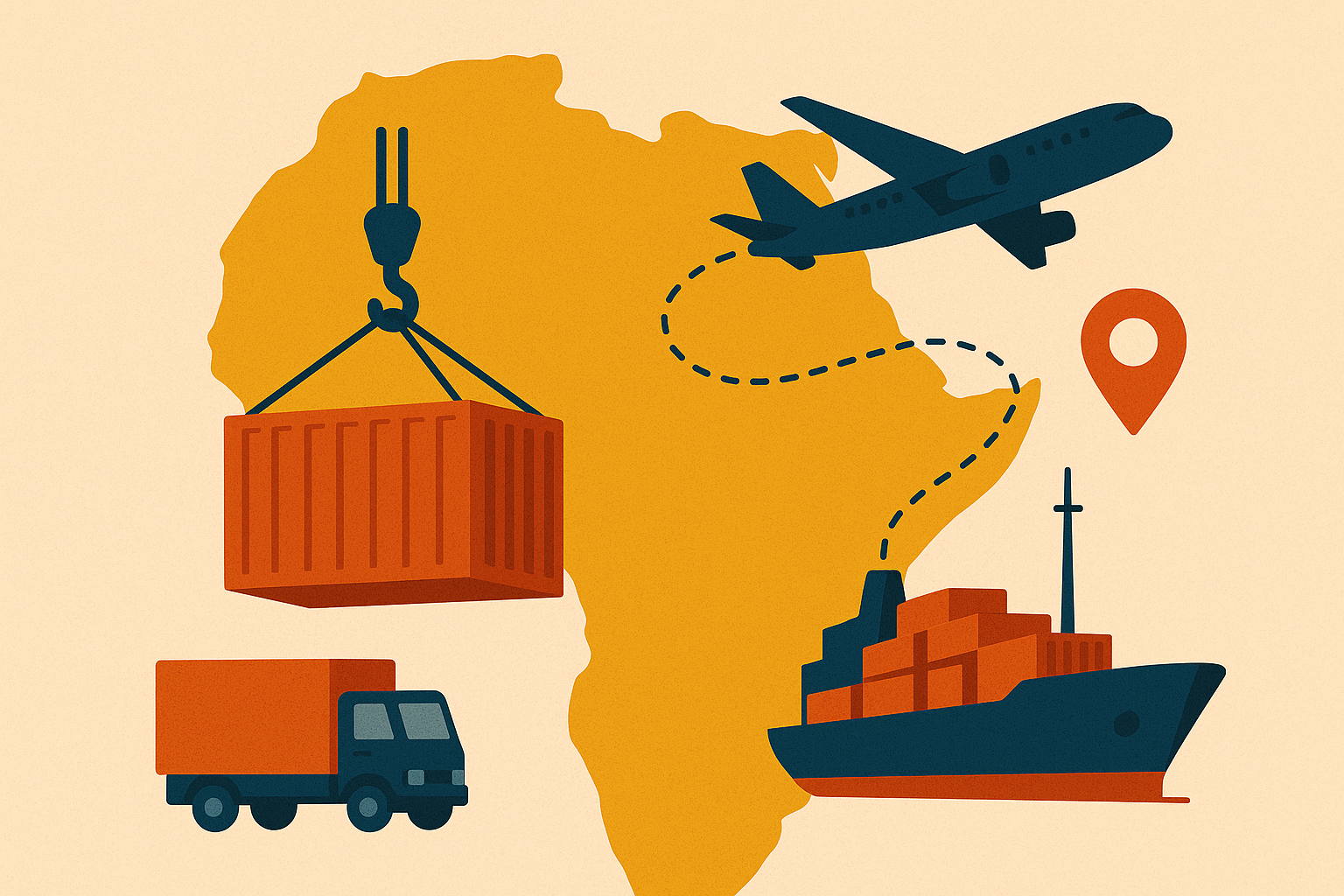
Special Guest Blog Post written by Stela Jaqueta In today’s fast-changing world, Africa’s role in global supply chains is at a tipping point. For too long, the continent has been viewed primarily as a source of raw materials rather than as a strategic partner in value creation. But what if we reimagined everything, from policies and technologies to mindsets and sustainability practices, through an Africa-centered lens? In this blog post, I explore five questions that challenge conventional supply chain thinking. From redefining Africa’s place at the global negotiation table, to elevating cultural intelligence from “soft skill” to strategic necessity, to designing climate-restorative logistics and embracing the digital revolution in a way that includes youth-led and informal businesses, each question is a call to rethink, redesign, and re-center. 1. What would a truly Africa-centered global supply chain look like? A truly Africa-centered global supply chain would shift from a model of extraction to one of empowerment and value creation. It would prioritize investment in local manufacturing, infrastructure, and knowledge transfer, ensuring that raw materials sourced from Africa are processed, packaged, and innovated on the continent. African-led businesses are seen as power players, with a voice and authority at the negotiation…

supply chain cybersecurity
July 31, 2024
Supply Chain Now Guide: Protecting Supply Chains From Cyberattacks
In July, what is being called the “largest IT outage in history” grounded air cargo and travel and caused “substantial disruptions” to the networks of such supply chain giants as FedEx and UPS. While cybersecurity company CrowdStrike blamed the worldwide outage on a “software update” and not a cyberattack, the event illustrates the importance of taking measures to safeguard the supply chain systems we all rely on for the movement of goods and people. Cybersecurity is Paramount in Digital Supply Chain A Boston Consulting Group (BCG) report published in October 2023 said that “bad actors are using more sophisticated tools and techniques to exploit vulnerabilities in digital networks, and weak points can be difficult to detect. Companies with established cybersecurity capabilities are being compromised through less sophisticated third parties that are connected to their network.” Today’s Supply Chain Remains Vulnerable to Cyberattacks According to the Identity Theft Resource Center, the number of organizations targeted by supply chain cyberattacks skyrocketed by 2,600% between 2018 and 2023. Verizon’s 2024 Data Breach Investigations Report said there was a 68% year-over-year leap in the amount of “supply chain interconnection” involved in cyber breaches. Among high-profile cyberattacks affecting the supply chain: In December 2020, Forward…