

More

Startups
December 17, 2024
Small Companies, Big Impacts: Three Supply Chain Startups to Know
Supply chain technology is a hot commodity. Venture capital investments in supply chain tech and technology-based logistics companies have totaled an estimated $15.4 billion in 2024, and more than 150 supply chain startups have been acquired in the last two years as logistics companies work to leverage cutting-edge technology to improve their services. According to a Kearney report, the biggest capital infusions have been in delivery technology, warehouse automation, and supply chain digitization and artificial intelligence (AI), and the investments are paying off. “Quite simply, the more you invest, the better you get at monetizing breakthrough innovation.” Freight brokerages, in particular, are looking to technology to help set them apart – or stay in business. Brush Pass Research reported there are 17.5% fewer active freight brokerages today than there were two years ago. Three Supply Chain Startups to Know StartUs Insights identified the top nine supply chain innovations and trends for 2025: AI Internet of Things (IoT) Flexible supply chains Big data and analytics Robotics Supply chain sustainability Supply chain traceability Last-mile delivery Cybersecurity “The supply chain has several variables that hinder its efficiency, including globalization, government regulations, pandemics, international transportation costs, increasing competition, and more,” StartUs said of…
April 17, 2025
Navigating Hidden Freight Costs: Taking Control of Unexpected Charges
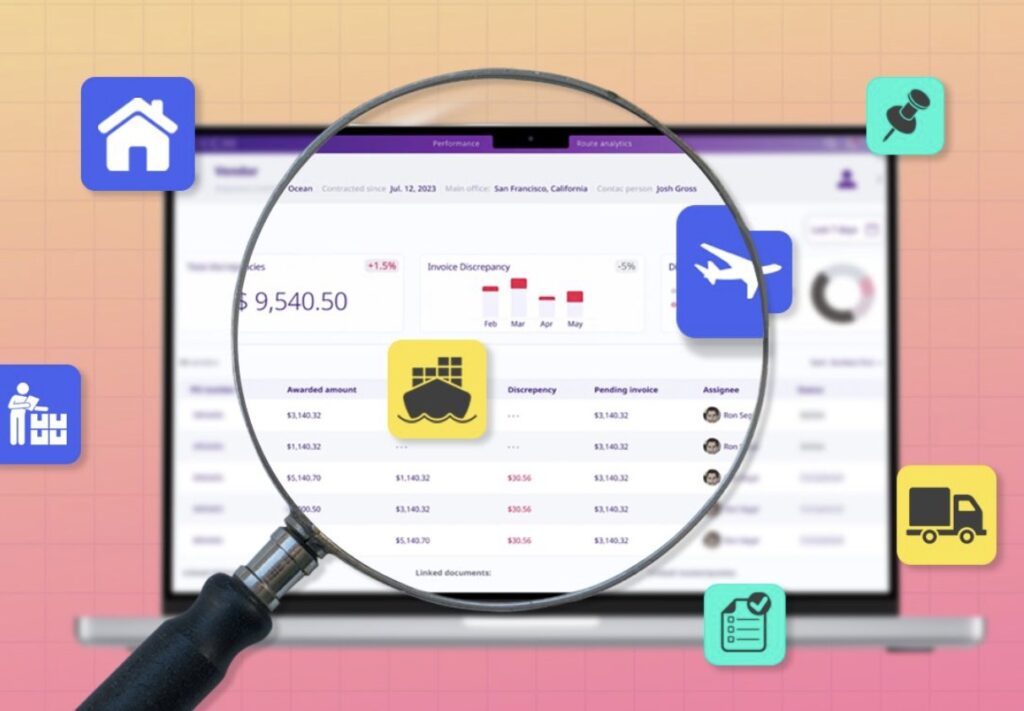
Blog Post written by Ohad Azgad, CEO of Cinch Logistics leaders must control costs while maintaining service quality, but hidden freight charges often erode profits due to poor visibility. Cinch analyzed over 7,000 line-item charges from 30+ freight forwarders, brokers, and carriers in FMCG and manufacturing, uncovering three major cost drivers: The Frequency-Impact Paradox Frequent charges like fuel surcharges appear in 14.4% of invoices but contribute just 4.2% of hidden costs. In contrast, customs duties—though present in only 5.8% of invoices—account for 52% of hidden costs. Identifying these patterns helps logistics teams focus on impactful cost reductions. Inconsistent Invoice Terminology Charge names like “Fuel Surcharge” vs. “Bunker Adjustment Factor” vary between carriers, reducing cost visibility and negotiation leverage. Standardizing terminology improves tracking, clarity, and vendor negotiations. Hidden Budget Risks: Customs, Duties & On-Carriage Fees Customs duties account for 46% of hidden costs, while on-carriage fees add 26%, despite appearing in only 4.3% of invoices. These charges are often underestimated during quoting, leading to budget overruns. Proactive management prevents unexpected expenses. Strategies to Optimize Freight Costs Real-Time Data Analytics: Platforms like Cinch provide charge visibility during quoting, improving cost forecasting and negotiation leverage. Standardized Terminology: Consistent charge names enhance cost…