

More
December 11, 2020
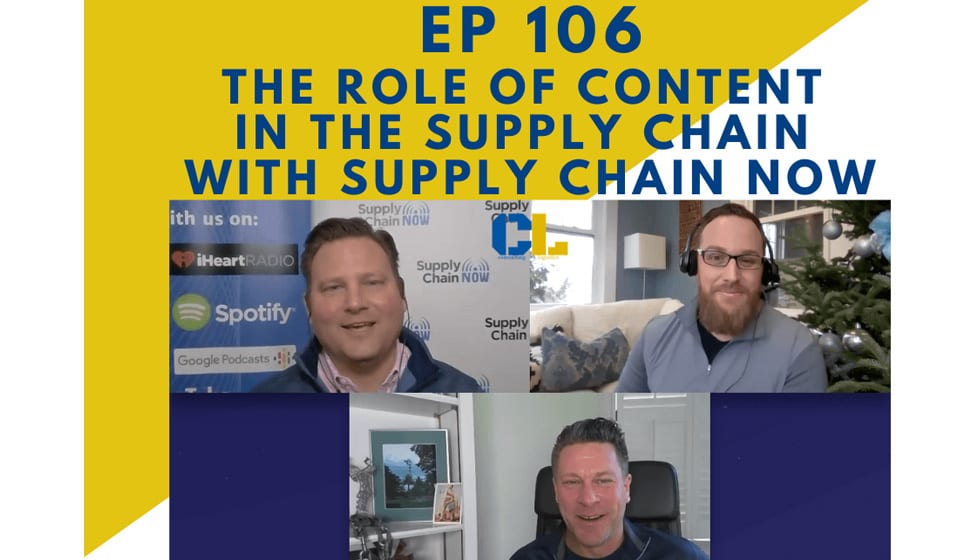
The role of content in the supply chain with Supply Chain Now!
Scott Luton and Greg White were both featured on a recent episode of the Consulting Logistics podcast with Kyle McNaught. They discussed the role that content and content producers play in the supply chain. Listen to the Episode HERE
June 19, 2020
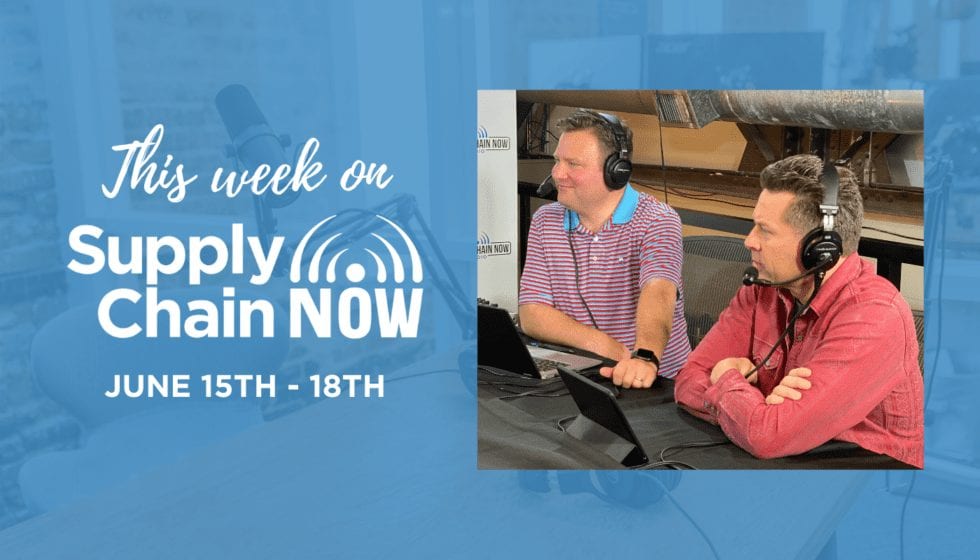
This Week on Supply Chain Now: Week of June 15th-19th
Another great week here at Supply Chain Now! Have you listened to all the episodes? If not, you can check them all out here: We introduced a new series on Monday, with This Week in Business History, where Scott looks back at some of the biggest historical events in business history for the week ahead. Supply Chain Now · “June 15th- This Week in Business History: Goodyear, IBM, & More” Then on Tuesday, we continued in the Logistics with Purpose series and welcomed Melenie York with Whitehouse & Schapiro. Supply Chain Now · “Logistics with Purpose: Melenie York with Whitehouse & Schapiro” On Wednesday, Scott and Greg tackled the top news in supply chain on the Supply Chain Buzz. Supply Chain Now · “Supply Chain Buzz for June 15th: Grocery, Bots, Retail Challenges, & More” Scott and Greg were joined by Radu Palamariu with Alcott Global on Thursday, as they discussed the current supply chain talent market. Supply Chain Now · “Key Observations in the Current Supply Chain Talent Market: Radu Palamariu with Alcott Global” And we wrapped up the week with a world-class supply chain leader as Scott and Greg…