

More

leadership
October 28, 2025
Thriving in the Never Normal – Lessons Learned from 5 Women Supply Chain Leaders
Written by Karin Bursa, Founder and CEO of NIRAKIO and Supply Chain Now Host If you know me, you know I’m a supply chain nerd. I love talking about it, thinking about what’s next, and sharing success stories to inspire others who may feel overwhelmed or unsure where to start. So, when I stepped into the moderator’s chair for our recent Supply Chain Now livestream, I knew we were in for a powerful conversation. Five extraordinary women — each leading global supply chains at some of the world’s most iconic brands — came together to share how they are navigating disruption, embracing innovation, and shaping the future of supply chain leadership. As a fellow Woman in Supply Chain for over 30 years, I had to resist acting like a true ‘Fan Girl’ — I could have talked with them for hours. The world we live in is the “Never Normal.” Volatility is constant. Technology is advancing faster than our operating models. Yet, what struck me most during our panel was the optimism and resilience each leader displayed. These women are proof that even in the face of complexity, supply chains can be transformed into engines of business growth, agility, and…
September 25, 2020
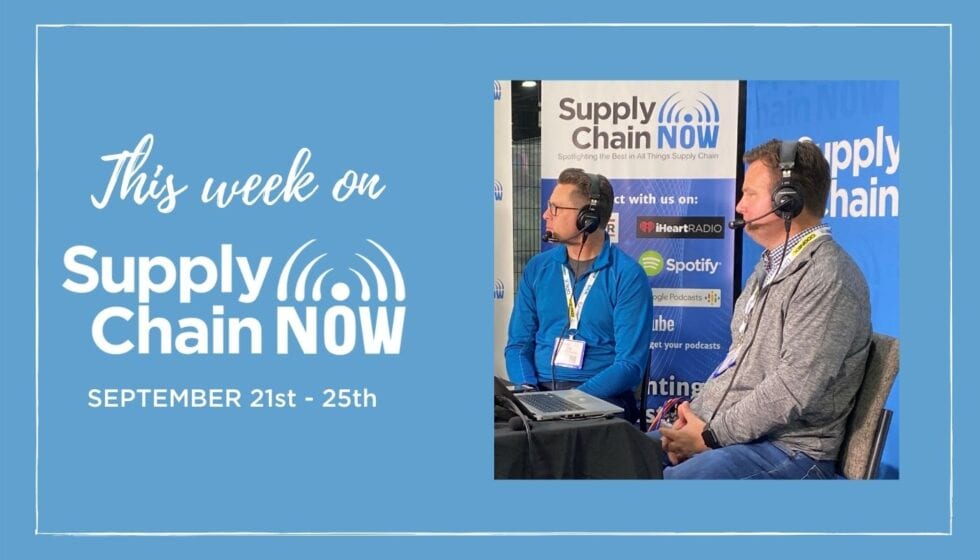
This Week on Supply Chain Now: September 21st – 25th
Heading right into October (can you believe it’s next week??) with more great interviews, conversations, livestreams, and episodes! We started the week with a new episode in our Logistics with Purpose series. Pat Plonski joined Scott, Greg, and Enrique to celebrate 50 million books for Africa! On Tuesday, Scott and Greg welcomed Mike Griswold with Gartner back to the podcast as they discussed the top three things to know in supply chain today and tomorrow. We published our Supply Chain Buzz on Wednesday, and Scott and Jamin were happy to welcome Sarah Barnes-Humphrey with Let’s Talk Supply Chain to the show! On Thursday, Greg continued his conversation with Ben Gordon of Cambridge Capital for part two of the interview for TECHquila Sunrise. And Friday, Scott and Greg were excited to welcome one of their favorite Supply Chain News writers, Emma Cosgrove with Supply Chain Dive, to the podcast! Which was your favorite episode? Never miss an episode by subscribing to Supply Chain Now! Make sure you tune in next week for more great conversation, timely topics, and exceptional guests.