

More

March 19, 2021
This Week on Supply Chain Now: March 15th – 19th
Listen Up! This week was full of thought leadership, industry news, and strategic insights, so make sure to catch all things Supply Chain Now right here! On Monday, Charles Walker and Enrique Alvarez joined Scott and Greg to talk about Leadership Lessons Learned. Listen up if you’re ready to feel inspired! On Tuesday, Mike Griswold, VP of Research at Gartner, joined our hosts Scott Luton and Greg White to discuss the top stories, news, and trends in supply chain today. On Wednesday, Azaleah Davis joined us on the podcast to talk about how she found her way into engineering and biomechanics, the evolutionary journey aspriing leaders have to be willing to take to be their best self, and more! If you missed Monday’s The Buzz livestream, then check out Thursdays podcast episode of the replay featuring the Lora Cecera, Founder of Supply Chain Insights, as she joins our hosts Scott and Greg to dive into the top news in supplu chain this week plus share her own incredible story and inspirational perspective. And on Friday, we finished off with a Dial P for Procurement livestream. Tune in as hosts Kelly Barner and Scott…
Latin America
June 26, 2025
What a Buyer Wants, What a Buyer Needs
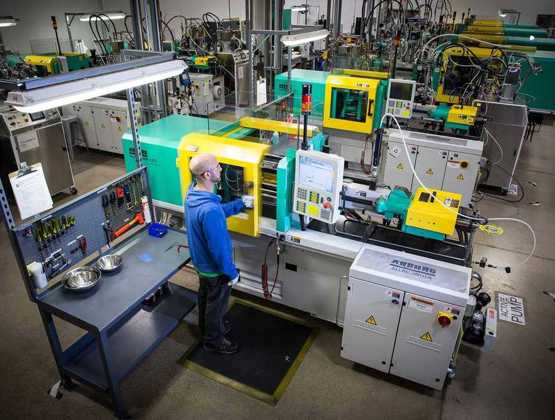
Special Guest Blog Post written by Bernadine Henderson Ms. Henderson, senior director of procurement at Protolabs, lifts the lid on buying in manufacturing and why relationships are central to it. Simply put, the job of a buyer is really about buying the right thing at the right time for the right price. It sounds simple, but it really is very complicated because everything that’s going on in the world impacts the timing, the availability, and the price of the product. This means that buying has recently got a lot more complicated. World events have very real consequences on global supply chains. Just one example is the way in which buyers have responded to tariffs in the U.S. by re-routing sourcing locations. It takes a certain amount of agility to be a buyer in 2025, and this quick responsiveness is helped along by one key ingredient, and that is strong relationships with suppliers. Relationships Built on Trust A widely held misconception is that buyers are only interested in getting to the lowest price possible. In fact, the most important thing to a buyer is for suppliers to bring solutions that deliver overall value. In my experience, a really strong supplier…