

More
August 14, 2020
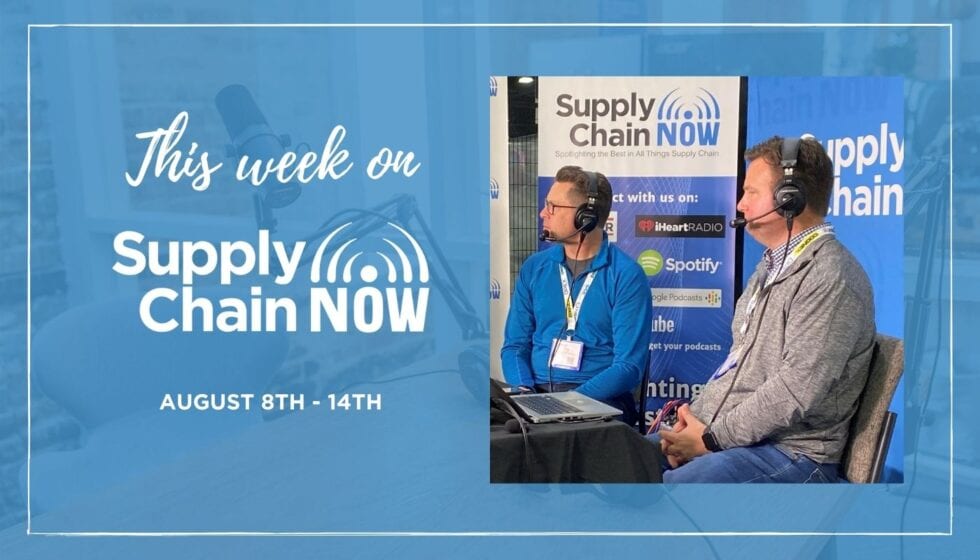
This Week on Supply Chain Now: August 8th – 14th
Another BIG week at Supply Chain Now! If you missed an episode, get a quick summary and listen here! We published a great Logistics with Purpose episode on Saturday the 8th, featuring Shane Buerster with Z Beans Coffee. Supply Chain Now · “Logistics with Purpose: Shane Buerster with Z Beans Coffee” On Monday, Scott and Greg spoke with Keith Saunders, Vice President of Direct Materials and Sourced Finished Goods at Zep Inc. Supply Chain Now · “Supply Chain Front & Center: Keith Saunders with Zep Inc.” Stephanie Thum talked about relentlessly focusing on the customer on the podcast on Tuesday with Scott and Greg. Supply Chain Now · “Relentlessly Focused on the Customer: Stephanie Thum with Practical CX” On Wednesday, we published this week’s Supply Chain Buzz, which featured an excellent interview with Andrew Kelley, the CCO of Boxlock. Supply Chain Now · “The Supply Chain Buzz for August 10th with Featured Guest Andrew Kelley from BoxLock” On Thursday, we shared another great episode in the TECHquila Sunrise series with Greg White, where Greg shares the latest investments, acquisitions, innovations, and glorious implosions in Supply Chain Tech every week.…

supply chain control tower technology
December 22, 2025
Top Microsoft Dynamics 365 Partners for Distribution and Supply Chain Management
This post is written by our friends at Winfosoft. Winfosoft is a globally recognized Microsoft Cloud Services Provider with more than 30 years of experience in ERP software solutions. Learn more at: https://winfosoft.com/ Choosing a Microsoft Dynamics 365 partner is a major decision for any distributor. The right team can help improve inventory visibility, reduce errors and give leaders clearer numbers to work with. Using the wrong one can slow things down and create more manual work. This guide explores partners with proven experience in distribution and supply chain operations. Each has a slightly different focus, so readers can see which model fits their business best. What Dynamics 365 Partners Specialize in the Distribution Industry? Microsoft Dynamics 365 combines finance, operations, sales and customer information in one system. For distributors, this means a single place to manage stock, pricing, orders and warehouse activity across locations. Specialized partners build on that core system. They design the processes and integrations that align with how distributors actually operate their businesses. This list highlights partners based on their clear focus on distribution, demonstrated experience with Dynamics 365 and independent coverage published in the last few years. 1. Winfosoft Winfosoft is a…