

More
November 25, 2024
Visibility Guide- Ensuring high data quality to maximize ROI of real-time transportation visibility solutions
Maximize the ROI of your transportation solutions now. Real-time transportation visibility is now more accessible thanks to advancements in connectivity, IoT devices, and modern systems. Supply chain priorities have shifted from simply tracking shipments to accurately predicting ETAs and identifying potential delays. This guide dives into the methodologies for ensuring high-quality visibility data, empowering you with actionable insights to optimize shipment flows and overall supply chain performance. Download the Visibility Guide Here
May 7, 2021
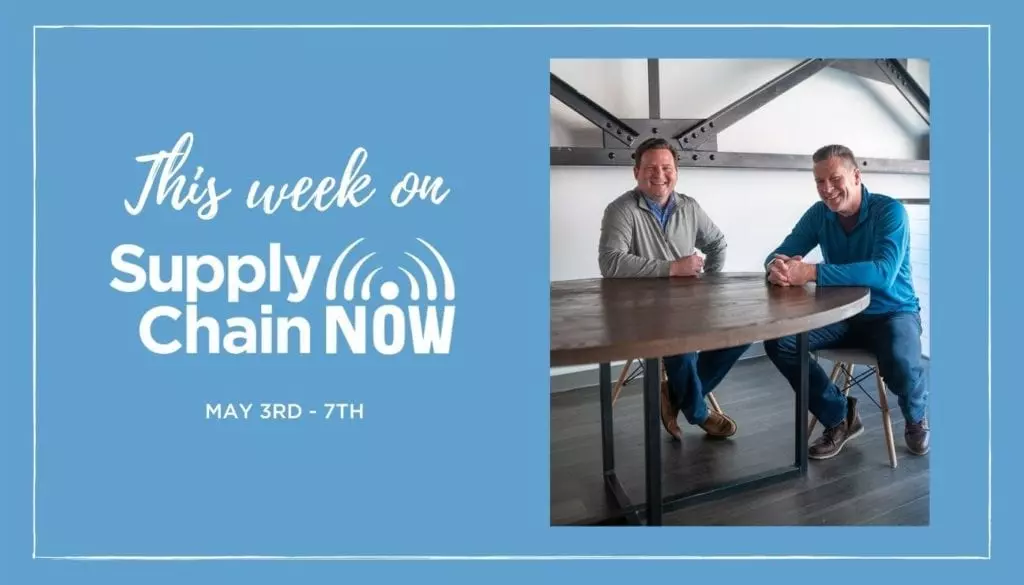
This Week In Supply Chain Now: May 3rd – 7th
Listen up! We’re kicking May off with some great conversations you won’t want to miss. Take a look back on the latest episodes, interviews, conversations, and livestreams from this week right here. On Monday, we released 3 new episodes! In this episode of Supply Chain Now, Scott welcomes JD Redmon back to the podcast for a frank conversation about accessing the marketing solutions you need, the trend towards diversity marketing and hiring, how to use your voice to achieve what you need, and so much more. On This Week in Business History, Scott Luton explores the genesis of The Clorox Company, from the early entrepreneurial struggles to their international expansion, innovation & growth. On Supply Chain Now en Espanol, Enrique Alvarez welcomed Alex Meza with RioRev Partners to the podcast to talk about growing up in Mexico and the United States, Alex’s professional experience, and trade between the two countries. On Tuesday, we released 2 new episodes! On this episode of TEKTOK Digital Supply Chain Podcast, powered by Supply Chain Now, host Karin Bursa welcomes Jason Tham with Nulogy to the podcast to tackle the question- is your supply chain agile or fragile? On TECHquila Sunrise, host Greg White dives…