

More
December 11, 2020
Understanding Logistics: A Discussion with Scott Luton, Founder & CEO of Supply Chain Now.
Scott Luton was featured in two episodes of Rethinking Supply Chain, hosted by Venzee CEO, John Abrams: Understanding Logistics: A Discussion with Scott Luton, Founder & CEO of Supply Chain Now. John got connected with Scott after listening to one of our podcast episodes that dove into the physical and automated aspects of supply chain. Listen to Part One of the interview HERE Listen to Part Two of the interview HERE
September 10, 2021
This Week In Supply Chain Now: September 6th – September 10th
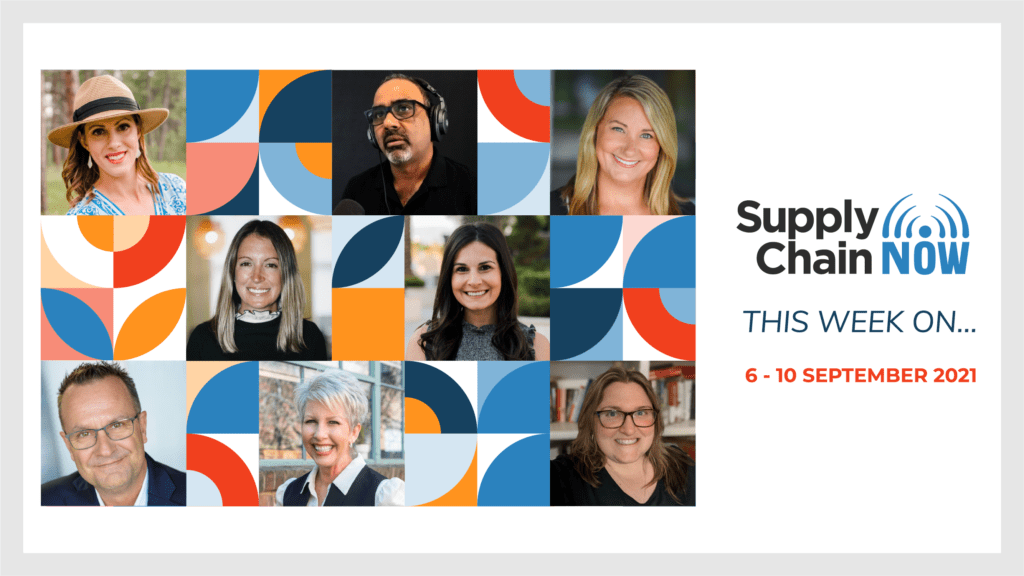
Stay up to date on all the latest conversations, interviews, and episodes we released this week here at Supply Chain Now! We started our week off with a conversation on Supply Chain Now with not one, but two Allisons! Scott and Greg had the opportunity to talk with Allison Grealis the President of the Women in Manufacturing Association and Education Foundation, and Allison Giddens the Co-President of Win-Tech and Treasurer of the Georgia Chapter of Women in Manufacturing. Scott focused on the history of Labor Day in Monday’s This Week in Business History’s episode. Scott talks about the history of the holiday and the part that everyone plays when it comes to the global workforce. On Tuesday, we published a new episode of TEKTOK with host Karin Bursa featuring Greg White, host of TECHquila Sunrise. During this episode Karin talks with Greg about his perspective on how to be successful in today’s HOT Supply Chain Tech market. On Wednesday’s episode of Supply Chain Now, Scott and special co-host Mike Griswold, Vice President of Research at Gartner, interviewed Scott Mann. Scott Mann is known for being a Green Beret, Retired Lieutenant Colonel in the U.S. Army, and President of Rooftop Leadership.…