
More
June 24, 2021
This Week In Supply Chain Now: June 21st – 25th
It’s a supply chain summer! Check out all the latest conversations, interviews, and episodes we released this week here at Supply Chain Now. On Monday, we released 3 new episodes! On this episode of Supply Chain Now, Ratelinx’s Nate Endicott, Senior Vice President of Global Sales and Alliances, and Andrew Hooser, Vice President of Customer Solutions, discuss their company’s journey with Co-hosts Greg White and Scott Luton. On This Week in Business History, host Scott W. Luton picks up on the story of 3 legendary pioneers: Marie Curie, Alan Turing and Ed Bradley. On Supply Chain Now en Espanol, host Enrique Alvarez welcomes special guest Demos Perez to the podcast to get an update on supply chain and logistics in Panama and the rest of Latin America. On Tuesday, Mike Griswold, Vice President of Research at Gartner, joined our hosts Scott Luton and Greg White on the Supply Chain Now podcast to talk about the latest in retail supply chains from an analyst’s perspective. On Wednesday, Gifts for Good’s Chief Impact Officer Jenise Steverding joined our Logistics with Purpose podcast to share how she melded a knack for logistics with a propensity for giving back with hosts Enrique Alvarez and…
October 1, 2021
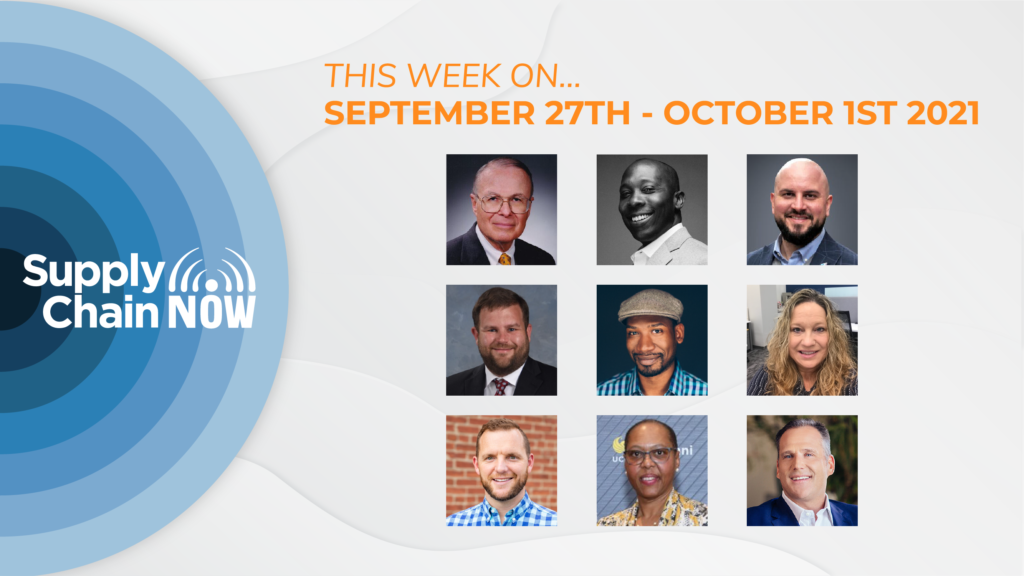
This Week In Supply Chain Now: September 27th – October 1st
Stay up to date on all the latest conversations, interviews, and episodes we released this week here at Supply Chain Now! We kicked the week off with a special episode of Digital Transformers with host Kevin L. Jackson and Scott Luton. This episode also featured the Vice President of Strategic Customers at Ratelinx, Andrew Hooser. During this episode Andrew talks about how Ratelinx helps companies unite their data and take action. For This Week In Business History Kelly covers stories from plumbing inventors to a black woman holding incredible records for having a substantial amount of patents. For this episode of Supply Chain Now host Scott gets to chat with the CEO and co-founder of Tommy Run, Bernard Parks and Tandreia Bellamy. One topic that is discussed includes why logistics is an important part of EVERY business model because “everything has to touch a truck”. On Wednesday we released an episode of Logistics With Purpose with host Enrique Alvarez and Kristi Porter. This episode also features Audra Weddle, Shipping Director and Ryan Grabill, Director of International Disaster Service, for Convoy of Hope. This episode focuses on Convoy of Hope and the logistics of disaster outreach. For this special Thursday feature…