

More
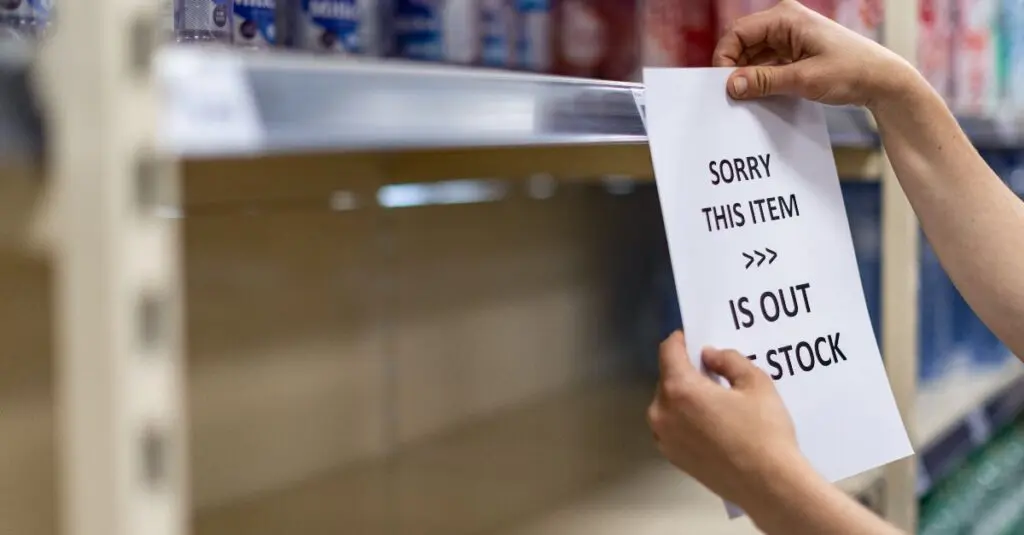
Supply Chain Disruptions
July 1, 2024
Supply Chain Now’s Guide to Supply Chain Disruptions
The modern supply chain landscape is defined by constant disruption, demanding a proactive approach to challenges. In our guide to supply chain disruptions, we delve into the critical sources of disruption reshaping the industry: climate change, global conflict, and labor disputes. Through data-driven insights and expert analysis, we offer strategies for building resilient supply chains, emphasizing the importance of leveraging technology, supplier management, and collaboration. Read on to learn how to navigate the complexities of supply chain disruptions and thrive in this era of uncertainty. Working in an Era of Supply Chain Disruption At the onset of the supply chain crisis spurred by the COVID-19 pandemic, many in the industry thought that the time of constant disruptions and delays would resolve with the pandemic. This, however, has proven far from true. Instead, our increasingly global supply chain — ever more reliant on a complex network of international transportation partners — is more vulnerable than ever to disruptions. In this section, we’ll look at three sources of disruption transforming the industry. 1. Climate Change Takes its Toll on Normal Operations Climate change is leading to new supply chain vulnerabilities. One significant example is the Panama Canal, a critical artery in global…

supply chain
October 25, 2022
Top 100 Global Thought Leaders on Technology to Follow in 2022
To be a successful leader you can use social media, such as Twitter, LinkedIn, Facebook, Instagram, and other popular social channels for numerous purposes. Digital Transformers host Kevin L. Jackson was recently recognized as one of the Top 100 Global Thought Leaders and Influencers to Follow on Social Media by The Awards Magazine for making a great impact in many industries and society. Read the article and see the full list here.