

More
December 7, 2020
How the Delivery Experience Is Not a ‘One Size Fits All’
The ecommerce industry has been steadily growing over the last few years, accelerated by the Coronavirus pandemic which led to a surge in demand for online products and services. This is great news for online retailers; however, as we know, competition online is fierce. Retailers who aren’t offering an exceptional customer experience risk losing their business to a competitor. A key part of a great customer experience is delivery and returns, and customer expectations in this area are high. 60% of consumers will buy again from a retailer if they were satisfied with the delivery. Returns are equally important and 78% of consumers consider the quality of a returns service when choosing where to shop. Customers know what they want, and they will choose stores based on where they will get the best experience. However, not all customers are the same. Offering a personalised e-commerce experience that meets customer expectations is vital in the right to acquire and retain today’s digital customer where customer loyalty is only as good as the last shopping experience. The Custom Approach to Delivery and Returns When it comes to delivery, retailers who think a “one size fits all” approach will work underestimate the needs…
September 17, 2021
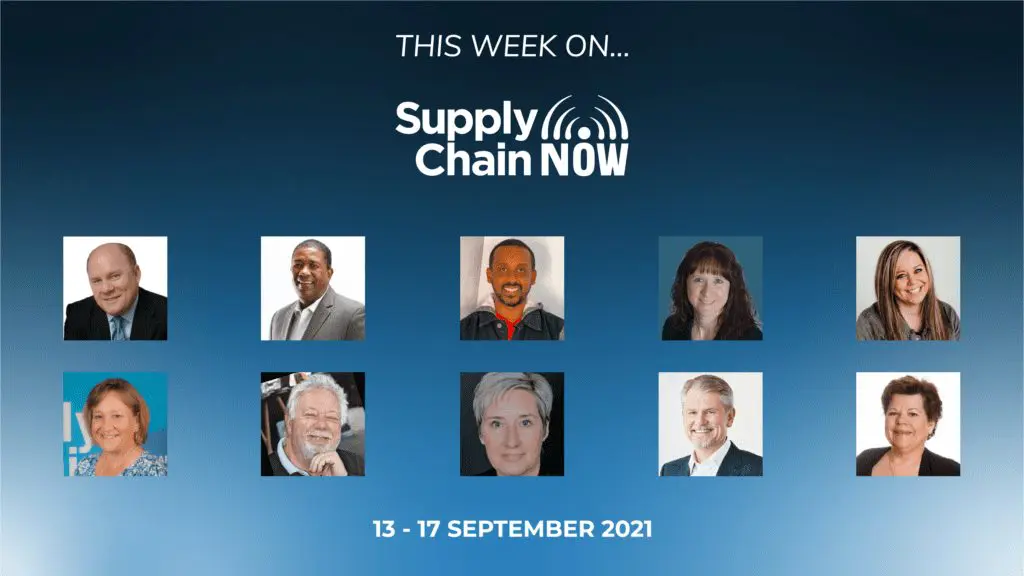
This Week In Supply Chain Now: September 13th – September 17th
Stay up to date on all the latest conversations, interviews, and episodes we released this week here at Supply Chain Now! On Monday we started the week off with an episode of Supply Chain Now with Scott Luton and TEKTOK host Karin Bursa! The two welcomed COO of SAPICS, Jenny Froome, and the Business Development Executive at SAPICS, Tonya Lamb. On Tuesday, we published a new episode of This Week In Business History with host Kelly Barner. On Tuesday, Scott reflects on the 2021 global summit with Lora Cecere, Kelly Barner, and Kevin L. Jackson. These four talk about some of the most impactful conversations that happened during the event, including effective leadership and how it goes hand in hand with supply chain planning, and more. On Wednesday we released an episode of Logistics With Purpose. This episode features Henok Berhanu, Founder & CEO of Carry 117, and Ashley Bohinc, Executive Director of Carry 117. On Thursday we published a new episode of the Freight Insider with host Page Siplon. Page welcomed Christian Fischer, President and CEO of Georgia Pacific, to the show. On Friday, we published the podcast version of our Monday Supply Chain Buzz livestream, with special guest,…