

More
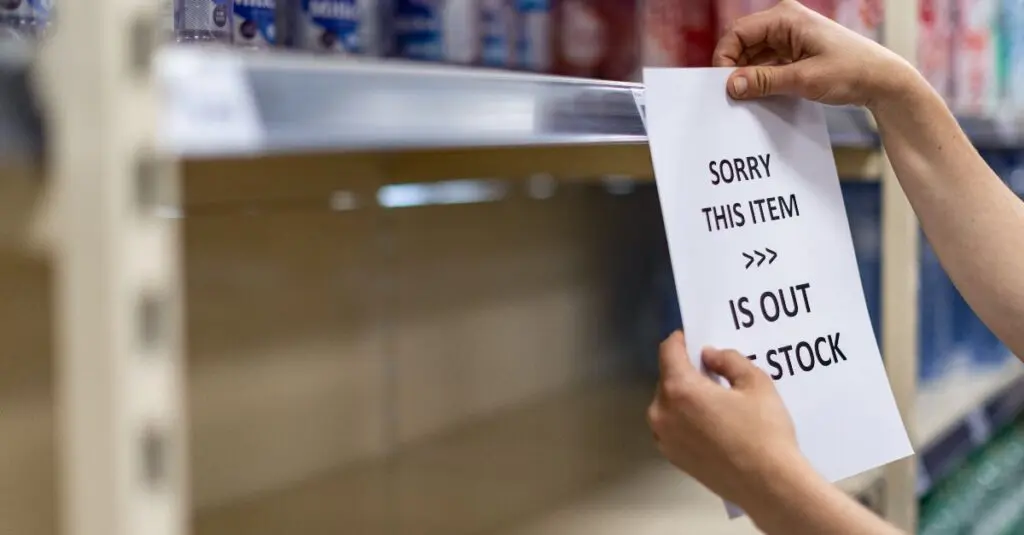
Supply Chain Disruptions
July 1, 2024
Supply Chain Now’s Guide to Supply Chain Disruptions
The modern supply chain landscape is defined by constant disruption, demanding a proactive approach to challenges. In our guide to supply chain disruptions, we delve into the critical sources of disruption reshaping the industry: climate change, global conflict, and labor disputes. Through data-driven insights and expert analysis, we offer strategies for building resilient supply chains, emphasizing the importance of leveraging technology, supplier management, and collaboration. Read on to learn how to navigate the complexities of supply chain disruptions and thrive in this era of uncertainty. Working in an Era of Supply Chain Disruption At the onset of the supply chain crisis spurred by the COVID-19 pandemic, many in the industry thought that the time of constant disruptions and delays would resolve with the pandemic. This, however, has proven far from true. Instead, our increasingly global supply chain — ever more reliant on a complex network of international transportation partners — is more vulnerable than ever to disruptions. In this section, we’ll look at three sources of disruption transforming the industry. 1. Climate Change Takes its Toll on Normal Operations Climate change is leading to new supply chain vulnerabilities. One significant example is the Panama Canal, a critical artery in global…
August 28, 2020
This Week on Supply Chain Now: August 24th – 28th
What a week at Supply Chain Now! If you missed an episode, get a quick summary and listen here. On Monday, we published an excellent episode with Jon Gold, the VP of supply chain and customs policy at the National Retail Federation. Supply Chain Now · “The Voice of Retail: Jon Gold with the National Retail Federation” On Tuesday, Scott & Greg welcomed two APICS legends to the podcast, Anthony “Z” Zampello & Fred Tolbert, for a lesson in S&OP fundamentals and best practices. Supply Chain Now · “S&OP Fundamentals & Best Practices: Anthony “Z” Zampello & Fred Tolbert” On Wednesday, we published this week’s Supply Chain Buzz, with an update on Hurricane Laura from Riskpulse Chief Meteorologist Jon Davis, and then covered the top news in supply chain with Kara Brown and Will Haraway with Lead Coverage. Supply Chain Now · “The Supply Chain Buzz for August 24th Featuring Jon Davis, Kara Brown, & Will Haraway” On Thursday, Greg welcomed Flourish CEO Colton Griffin to the TECHquila Sunrise podcast for a great conversation on the ins and outs of founding a tech company, the start-up life, and the cannabis industry. Supply Chain Now…