

More
supply chain culture
February 25, 2026
Culture Over Clicks: Marina Mayer on Workforce, Proactivity, and the Real Innovation Story at Manifest 2026
At Manifest 2026, Scott Luton caught up with Marina Mayer, Editor-in-Chief of Food Logistics and Supply & Demand Chain Executive, and Co-Founder and Content Director of the Women in Supply Chain Forum, for a conversation that cut through the tech buzz and landed squarely on what matters most: people. Marina leads two influential digital publications covering the full spectrum of supply chain — from temperature-controlled cold chain logistics to e-commerce and retail — along with four major industry awards programs and the rapidly growing Women in Supply Chain Forum, now entering its fifth year. But amid all the innovation on display in Las Vegas, her message was refreshingly grounded. Disruption Is the Baseline. Proactivity Is the Shift When asked about dominant themes shaping the industry, Marina didn’t hesitate. One common theme linking 2025 and 2026 is that “disruptions obviously still exist,” she said. From tariffs to trade wars to Mother Nature, the hits keep coming. What’s different in 2026 isn’t the disruption itself; it’s the response. Instead of dwelling on what’s gone wrong, companies are getting proactive. Leaders are “acting on it and being proactive about getting in front of it,” she noted. Since COVID, organizations have learned that…
April 17, 2020
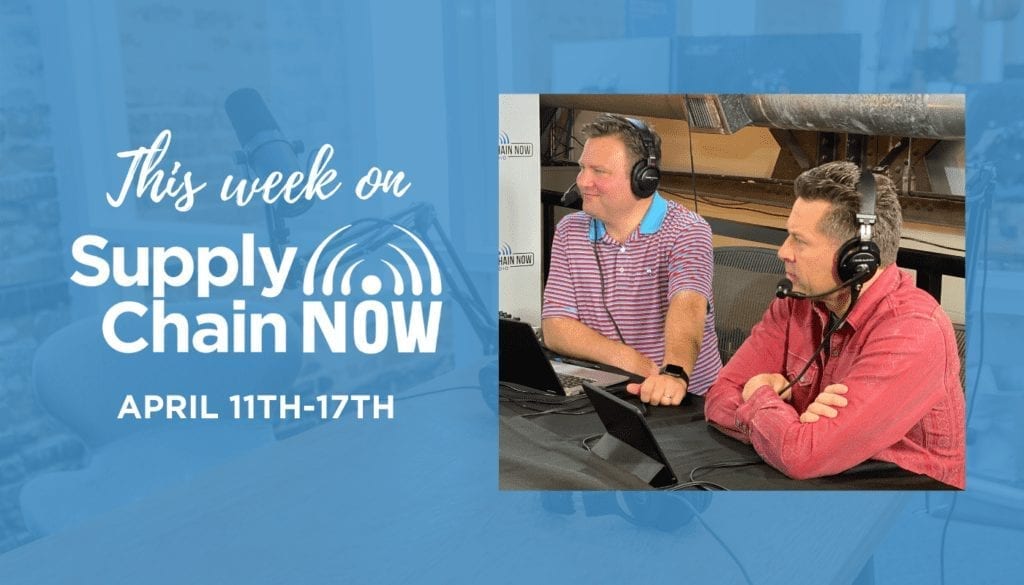
This Week on Supply Chain Now: April 11-17
It has been a big week (as usual) for Supply Chain Now! Did you miss an episode? Check them all out here: Listen as Daniel Studdard with the Atlanta Regional Commission, talks with Greg and Scott from MODEX 2020 about keeping freight moving: Rodney Apple with SCM Talent Group joins Greg and Scott from MODEX 2020 to chat about securing top supply chain talent: On Tuesday, Scott and Greg were joined remotely by Jan van Niekerk with SpotSee, to talk about leveraging technology to protect your shipments during transit: Scott and Greg were joined by Bob Bova with Accuspeech Mobile from MODEX 2020 and discussed voice automating workflows: On Thursday we published the new and improved Supply Chain Buzz, with Scott and Greg sharing and discussing the latest news and events in Supply Chain and beyond: And to finish out the week, Mark Messina and Rick DeFiesta with Geek+ joined Scott and Greg for a discussion about COVID-19’s impact on consumer behaviors, warehouse operations, automation initiatives, and more: Make sure you subscribe to Supply Chain Now so you never miss an episode and we will see you next week with all new livestreams and…