
More
September 25, 2020
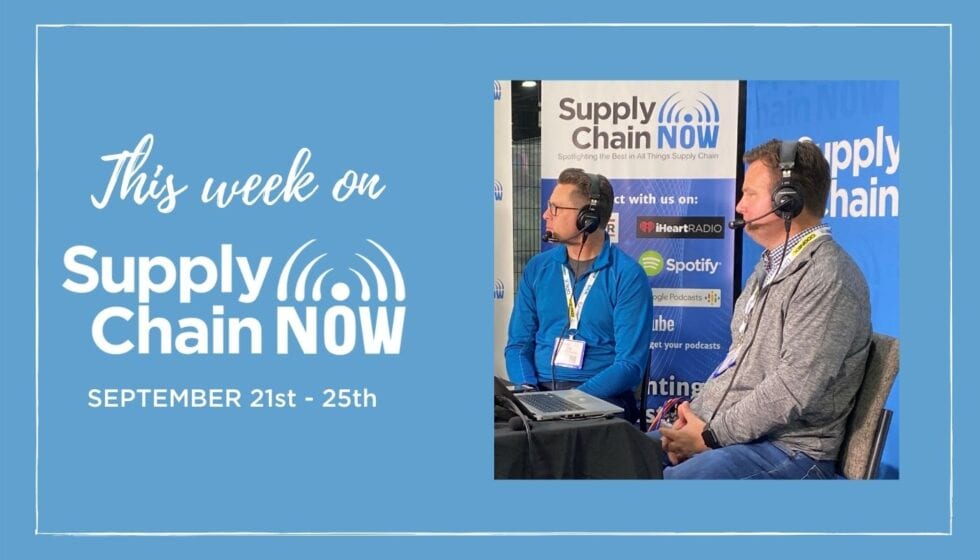
This Week on Supply Chain Now: September 21st – 25th
Heading right into October (can you believe it’s next week??) with more great interviews, conversations, livestreams, and episodes! We started the week with a new episode in our Logistics with Purpose series. Pat Plonski joined Scott, Greg, and Enrique to celebrate 50 million books for Africa! On Tuesday, Scott and Greg welcomed Mike Griswold with Gartner back to the podcast as they discussed the top three things to know in supply chain today and tomorrow. We published our Supply Chain Buzz on Wednesday, and Scott and Jamin were happy to welcome Sarah Barnes-Humphrey with Let’s Talk Supply Chain to the show! On Thursday, Greg continued his conversation with Ben Gordon of Cambridge Capital for part two of the interview for TECHquila Sunrise. And Friday, Scott and Greg were excited to welcome one of their favorite Supply Chain News writers, Emma Cosgrove with Supply Chain Dive, to the podcast! Which was your favorite episode? Never miss an episode by subscribing to Supply Chain Now! Make sure you tune in next week for more great conversation, timely topics, and exceptional guests.
July 31, 2020
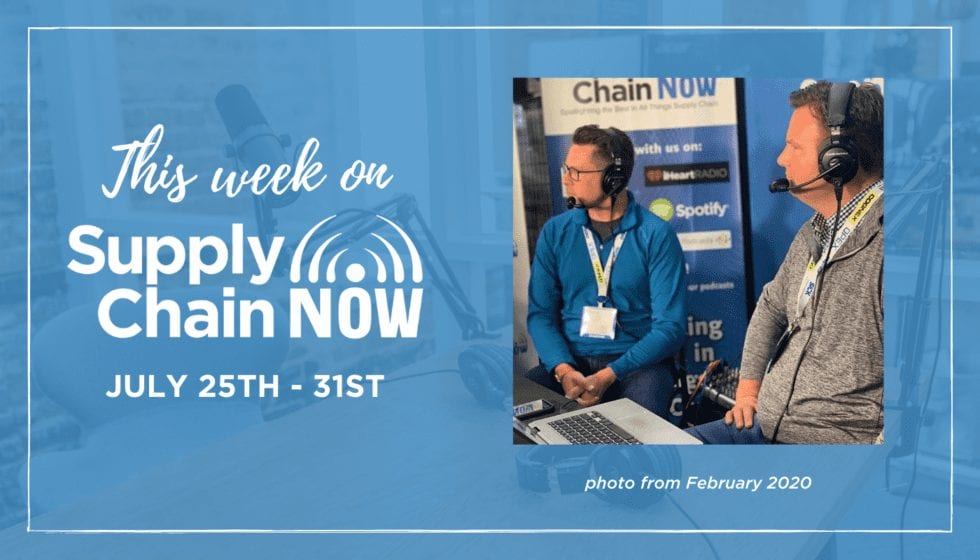
This Week on Supply Chain Now- July 25th – 31st
Did you catch all the episodes from Supply Chain Now this week? If not, get a quick summary and listen here! We added TWO additional episodes this week starting on Saturday, July 25th. We continued our Logistics with Purpose series, sponsored by Vector Global Logistics, and welcomed Kevin Carvajal with Salesian Missions. Supply Chain Now · “Logistics with Purpose: Kevin Carvajal with Salesian Missions” On Sunday, we featured our recent webinar, “Stand Up & Sound Off: A Conversation About Race in Industry,” and welcomed panelists Dyci Sfregola and David Burton to Supply Chain Now. Supply Chain Now · “Stand Up & Sound Off: A Conversation About Race in Industry” We featured another great episode in This Week in Business History on Monday, where Scott looks back at some of the biggest historical events in business history for the week ahead. This week, he spoke about the past, present, and future of the cannabis industry. Supply Chain Now · “This Week in Business History for July 27th: The Past, Present, & Future of the Cannabis Industry” Then on Tuesday, we shared our live-stream with Jeff Cashman of GreyOrange with our podcast audience, as…