

More

March 18, 2020
Surge of shoppers at grocery stores eases
Supply Chain Now Principle & Host Greg White was featured in the AJC article “Surge of shoppers at grocery stores eases” on March 18th, explaining the ease on the food shortages due to the Cornoavirus panic. VIEW ARTICLE HERE.
June 26, 2020
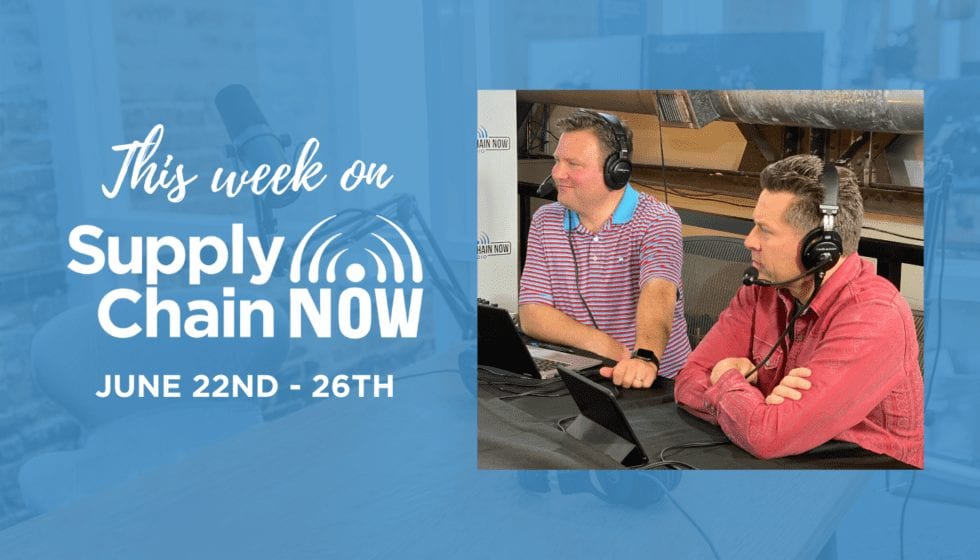
This Week on Supply Chain Now: June 22nd – 26th
Another great week here at Supply Chain Now! Did you catch all the episodes? If not, you can check them all out here: We kicked off the week with This Week in Business History, where Scott looks back at some of the biggest historical events in business history for the week ahead. Supply Chain Now · “June 22nd- This Week in Business History: The Birth of the Universal Product Code” Then on Tuesday, Scott and Greg welcomed Jeff Cashman with GreyOrange to the podcast for a conversation on robots, automation, and so much more Supply Chain Now · “Modern Fulfillment Demands Modern Systems: Jeff Cashman with GreyOrange” On Wednesday, we launched another new series, TECHquila Sunrise with Greg White, where Greg shares the latest investments, acquisitions, innovations, and glorious implosions in Supply Chain Tech every week. Supply Chain Now · “The Dawn of a New Day: TECHquila Sunrise with Greg White” On Thursday we published the Supply Chain Buzz, where Greg and Scott discussed the top supply chain news of the week. Supply Chain Now · “Supply Chain Buzz for June 22nd: Pharma, Late Deliveries, ECommerce, & More” And we wrapped up…