
More
supply chain culture
February 25, 2026
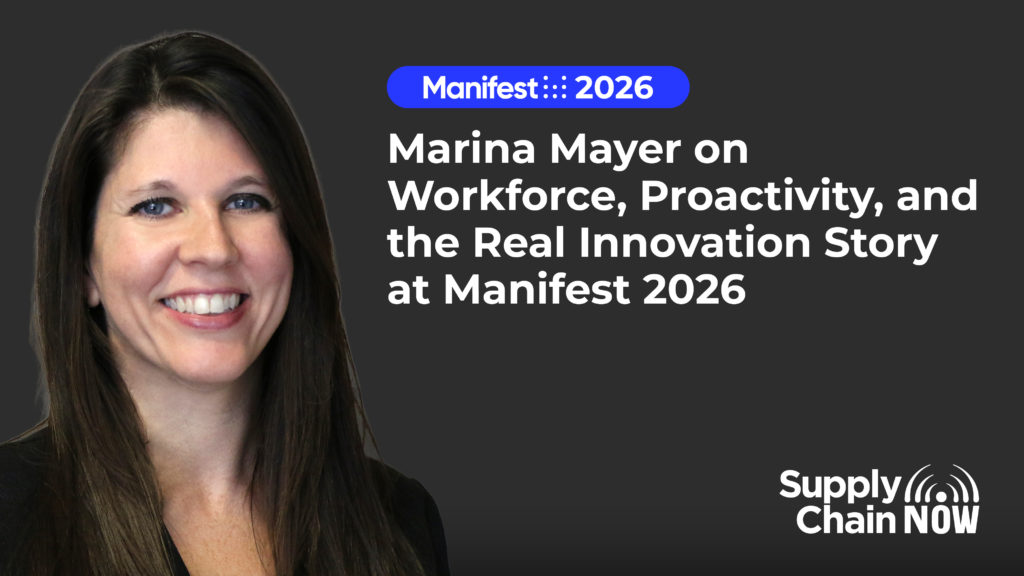
Culture Over Clicks: Marina Mayer on Workforce, Proactivity, and the Real Innovation Story at Manifest 2026
At Manifest 2026, Scott Luton caught up with Marina Mayer, Editor-in-Chief of Food Logistics and Supply & Demand Chain Executive, and Co-Founder and Content Director of the Women in Supply Chain Forum, for a conversation that cut through the tech buzz and landed squarely on what matters most: people. Marina leads two influential digital publications covering the full spectrum of supply chain — from temperature-controlled cold chain logistics to e-commerce and retail — along with four major industry awards programs and the rapidly growing Women in Supply Chain Forum, now entering its fifth year. But amid all the innovation on display in Las Vegas, her message was refreshingly grounded. Disruption Is the Baseline. Proactivity Is the Shift When asked about dominant themes shaping the industry, Marina didn’t hesitate. One common theme linking 2025 and 2026 is that “disruptions obviously still exist,” she said. From tariffs to trade wars to Mother Nature, the hits keep coming. What’s different in 2026 isn’t the disruption itself; it’s the response. Instead of dwelling on what’s gone wrong, companies are getting proactive. Leaders are “acting on it and being proactive about getting in front of it,” she noted. Since COVID, organizations have learned that…
August 21, 2020
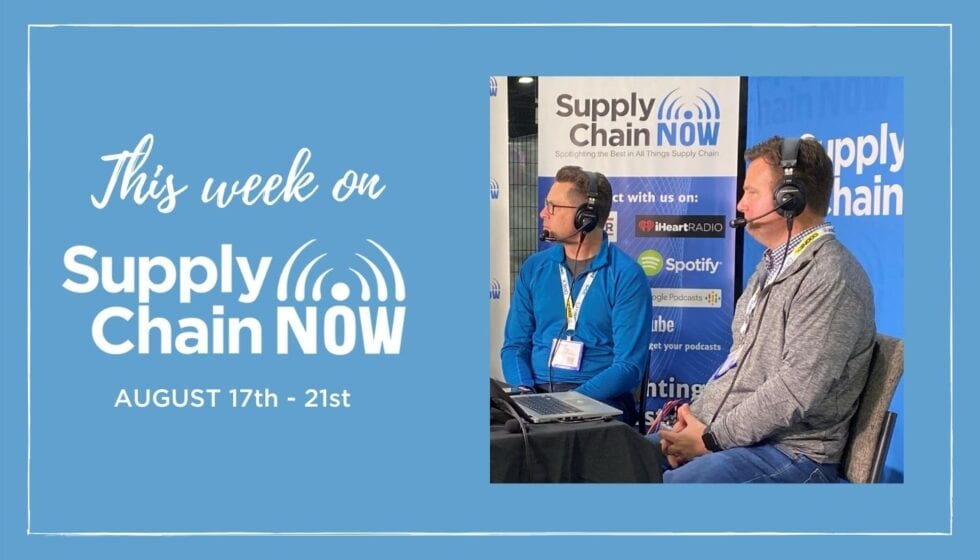
This Week on Supply Chain Now: August 17th – 21st
Another BIG week at Supply Chain Now! If you missed an episode, get a quick summary and listen here! On Monday, we published a new episode in This Week in Business History. Scott shared the stories of a few retail legends, the birth of Motown, and more! Supply Chain Now · “This Week in Business History for August 17th: Retail & Radio Legends are Born” We continued the Today in Manufacturing series on Tuesday as Kelly Scheib with Proterra joined Laura Madajewski, Jason Moss, and Scott on the podcast on Tuesday. Supply Chain Now · “Serving the People Behind the Numbers: Kelly Scheib with Proterra” On Wednesday, we published this week’s Supply Chain Buzz, where Scott and Greg shared the top supply chain stories of the week. Supply Chain Now · “The Supply Chain Buzz for August 17th: Imports Up, Cold Chain Explosion, & Good News” On Thursday, we shared an excellent interview on supply chain leadership as Scott & Greg spoke with Rick Blasgen, the President & CEO of CSCMP. Supply Chain Now · “Leading the Supply Chain Industry Forward: Rick Blasgen with CSCMP” And we wrapped up the week a little…