

More
National Supply Chain Day
March 9, 2026
National Supply Chain Day® Returns April 29, 2026 | Celebrating the People and Stories Powering the Global Supply Chain
National Supply Chain Day (NSCD)® returns on Wednesday, April 29, 2026 with Supply Chain Now, bringing together professionals across the industry for an annual celebration dedicated to recognizing and elevating the people, processes, and innovations that keep the world moving. Established in 2020, National Supply Chain Day® was created as a way to lift the supply chain industry up and propel it forward by spotlighting the stories, leaders, and breakthroughs that shape global commerce. What began as a single-day celebration has grown into an industry-wide movement that continues to inspire pride, visibility, and momentum across the profession. Supply Chain Now will host its annual National Supply Chain Day Livestream, led by SCN’s own Scott Luton (CEO & Founder) and Mary Kate Love (President & the visionary behind the creation of NSCD) with a keynote from Billy Ray Taylor and the announcement of two new award recipients. And, for the first time ever, organizations can officially register both virtual and in-person National Supply Chain Day events on the Supply Chain Now website. From the logistics behind everyday essentials to the complex global networks delivering critical goods worldwide, National Supply Chain Day® honors the professionals who connect the world. Livestream Registration…
Red Sea
April 14, 2025
Supply Chain Now’s Guide to the Red Sea Crisis
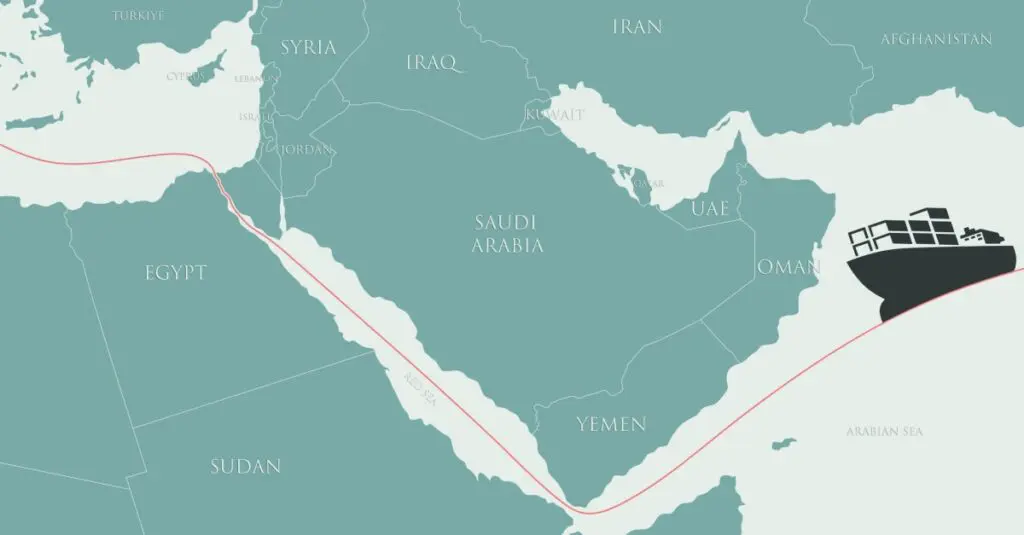
An estimated 12% of global trade worth more than $1 trillion traverses the Red Sea each year. When Houthi rebels started attacking commercial vessels in November 2023, ocean carriers began rerouting container ships around Africa’s Cape of Good Horn rather than through the Suez Canal on voyages from Asia to Europe. That greatly increased travel time and costs. As of March of this year, shipping through the Red Sea was still down 70% from before the attacks began, according to The Economist, with many ocean carriers still avoiding the Bab el-Mandeb Strait, which separates the Red Sea from the Gulf of Aden and the Arabian Peninsula. Maritime Industry Caught in the Crosshairs Houthi rebels launched attacks on ships in the Red Sea in response to Israel’s military operations in Gaza. The Houthis attacked more than 100 cargo ships between November 2023 and January 2025. The attacks, with missiles and drones, sunk two vessels and killed four sailors. In late October 2024, a headline in gCaptain read, “Red Sea Is Now So Dangerous Even NATO Warships Are Avoiding It.” “The United States Navy continues to send warships through the Red Sea, but its mission to protect merchant ships – Operation Prosperity…