

More
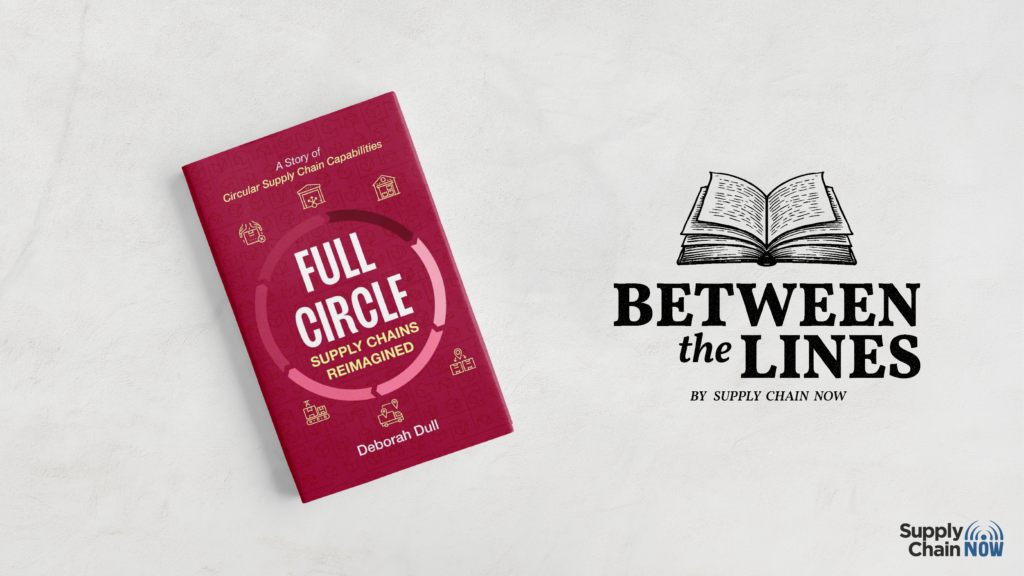
book club
February 27, 2026
Risk, Reinvention & Readiness: Between the Lines for February 2026
Last month, we launched Between the Lines, our Supply Chain Now book club, with a simple idea: the best leaders don’t just consume headlines, they read deeply, think critically, and stay curious. The response to our first edition reminded us how powerful shared learning can be! This month, we’re building on that momentum with fresh selections designed to challenge perspectives, spark new ideas, and strengthen the way we think, innovate, and navigate an ever-evolving global landscape. Check out a few of the selections the Supply Chain Now team recommends from February 2026: Scott Luton: The 2028 Global Intelligence Crisis from Citrini Research Imagine a short-term future where the very technology we hail as humanity’s next great productivity engine becomes essentially the source of a global economic crisis. “The 2028 Global Intelligence Crisis” from Citrini Research is a thought experiment that projects just such a scenario: by 2028, rapid and widespread AI adoption has supercharged productivity yet hollowed out the consumer economy, driving unemployment above 10% and triggering a deep market downturn as traditional spending collapses despite booming output. In this speculative, but unsettling, framework, AI doesn’t fail, it succeeds so overwhelmingly that the economy it was meant to…
supply chain
January 15, 2026
5 Supply Chain Predictions on our 2026 Bingo Card
Special Guest Blog Post written by Philip Vervloesem If your supply chain planning still runs on a monthly cycle, 2026 will be uncomfortable. We are operating in a polycrisis where change is constant, and responses need to be fast enough to keep up. From customer conversations, industry research, and leadership discussions at the Gartner supply chain conferences, a clear pattern has emerged: the organizations pulling ahead are not planning more often. They are embedding agility, intelligence, and speed into the way they make decisions. Here are five predictions shaping supply chain excellence in 2026 – our “bingo card” for what’s now table stakes. 1. Continuous, always-on planning is a must Monthly or quarterly cycles are no longer enough. The organizations that outperform treat planning as a continuous capability embedded in daily operations, and make it part of their governance and operational excellence. Imagine this: a sudden surge in demand hits or a supplier flags a delay. Instead of waiting for the next planning cycle, teams immediately evaluate options, share insights across functions, and adjust course. Planning stops being a calendar exercise and starts shaping real-time decisions. “By shifting from process-centric to decision-centric planning, we now run hundreds…