

More
October 3, 2025
Leveraging ERM to navigate emerging tariffs and supply chain risks
Leveraging ERM to navigate emerging tariffs and supply chain risks With recent tariff hikes and geopolitical shifts, supply chain risks are more urgent than ever. 63% of businesses reported higher-than-expected supply chain losses despite increased risk management efforts in recent years. Leveraging ERM to navigate emerging tariffs and supply chain risks explores the distinct challenges of a stressed global market and shows how ERM can enhance efforts in identifying, escalating, and responding to emerging supply chain threats. Key areas explored in the guide: Supply chain risks affected by increased tariffs. Why engaging ERM to address supply chain risks is crucial. 8 proactive strategies for addressing emerging supply chain risks. Ready to start engaging ERM to respond to emerging supply chain risks with agility and speed? Download the free guide now
August 14, 2020
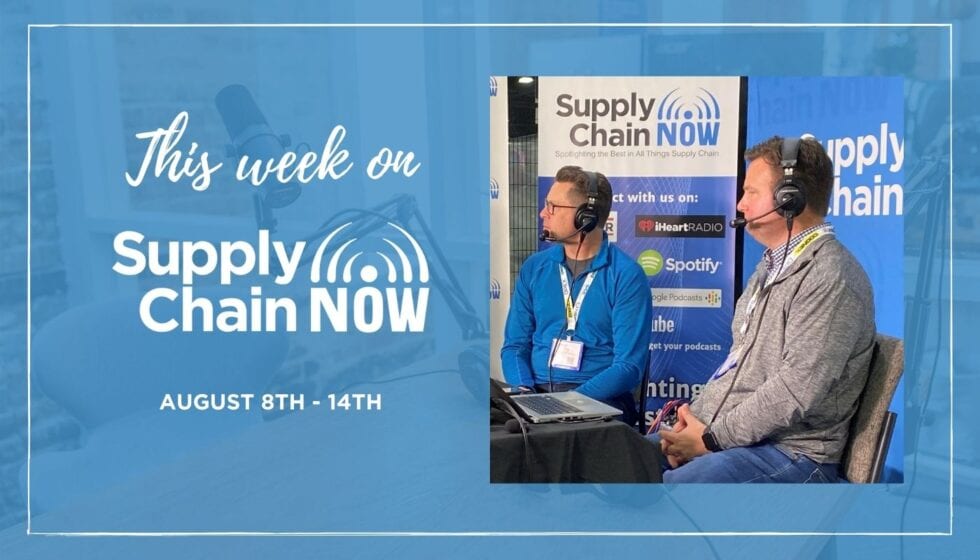
This Week on Supply Chain Now: August 8th – 14th
Another BIG week at Supply Chain Now! If you missed an episode, get a quick summary and listen here! We published a great Logistics with Purpose episode on Saturday the 8th, featuring Shane Buerster with Z Beans Coffee. Supply Chain Now · “Logistics with Purpose: Shane Buerster with Z Beans Coffee” On Monday, Scott and Greg spoke with Keith Saunders, Vice President of Direct Materials and Sourced Finished Goods at Zep Inc. Supply Chain Now · “Supply Chain Front & Center: Keith Saunders with Zep Inc.” Stephanie Thum talked about relentlessly focusing on the customer on the podcast on Tuesday with Scott and Greg. Supply Chain Now · “Relentlessly Focused on the Customer: Stephanie Thum with Practical CX” On Wednesday, we published this week’s Supply Chain Buzz, which featured an excellent interview with Andrew Kelley, the CCO of Boxlock. Supply Chain Now · “The Supply Chain Buzz for August 10th with Featured Guest Andrew Kelley from BoxLock” On Thursday, we shared another great episode in the TECHquila Sunrise series with Greg White, where Greg shares the latest investments, acquisitions, innovations, and glorious implosions in Supply Chain Tech every week.…