
More
June 18, 2021
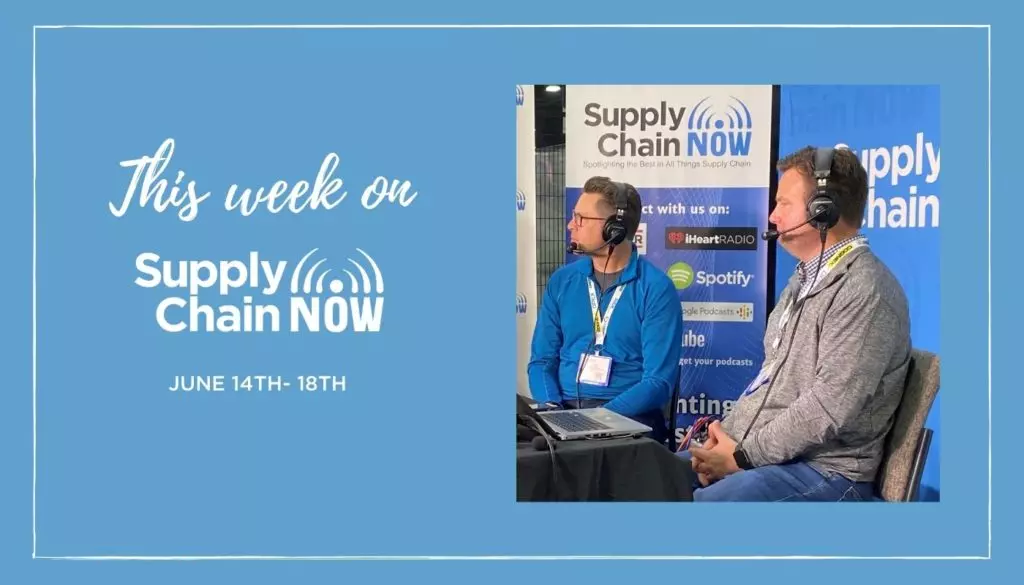
This Week In Supply Chain Now: June 14th – 18th
Step up your supply chain strategy by checking out all the latest conversations, interviews, and episodes we released this week here at Supply Chain Now! On Monday, we released 2 new episodes! On this episode of Supply Chain Now, hosts Scott and Greg welcome Nicci Scott with Commercial Transport Academy and Jenny Froome with SAPICS for the next installment of the Supply Chain Across Africa series. On This Week in Business History, host Scott W. Luton sheds light on 3 historical milestones that enabled us to move faster: cars, coasters, & computers. On Tuesday, we released 2 new episodes! On this episode of TEK TOK, host Karin Bursa takes us through 6 strategies to boost resilience, agility, and response in your organization’s supply chain. On TECHquila Sunrise, we’re looking back on a “Sunrise Special” episode where host Greg White shares how venture capitalists decide which companies to invest in (and how much!). On Wednesday, host Scott Luton welcomed Deborah Dull, Supply Chain Product Management at GE Digital, and Mucai Kunyiha, Chairman of the Kenya Association of Manufacturers and Group Chief Executive Officer of Kzanaka Ltd, to the podcast. On Thursday, we released a replay of our Manufacturing Monday edition of…
supply chain planning
December 18, 2025
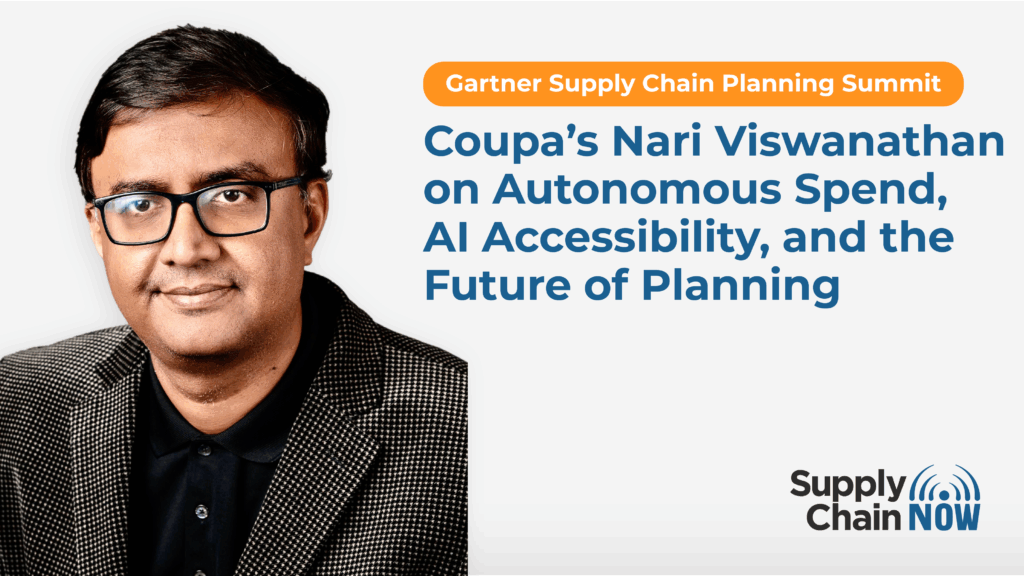
Coupa’s Nari Viswanathan on Autonomous Spend, AI Accessibility, and the Future of Planning
At the Gartner Supply Chain Planning Summit in Denver, Scott Luton sat down with Nari Viswanathan, a veteran innovator in the planning and procurement technology space and a key leader at Coupa. The two reconnected after several recent collaborations—including webinars, industry sessions, and conversations in Dallas—and discussed the new realities of supply chain planning and how organizations are embracing technology like never before. Coupa and Autonomous Spend Management For those less familiar with Coupa, Viswanathan explained the company as the global leader in autonomous spend management—a framework that brings together direct and indirect spending to help organizations manage total spend more intelligently. Direct spend, of course, is where supply chain operations come into focus, making planning, design, and cost optimization central to the value Coupa delivers. Viswanathan leads Coupa’s global supply chain strategy, shaping how the company positions and scales its solutions across the market. After years spent in supply chain planning technology, he now sits at the intersection of procurement, supply chain, and advanced analytics—an area he believes has never been more exciting or more critical. Old Problems, New Pressures—and a Greater Willingness to Innovate When asked about the biggest challenges facing planners today, Viswanathan emphasized a…