

More
August 27, 2021
This Week In Supply Chain Now: August 23rd – 27th
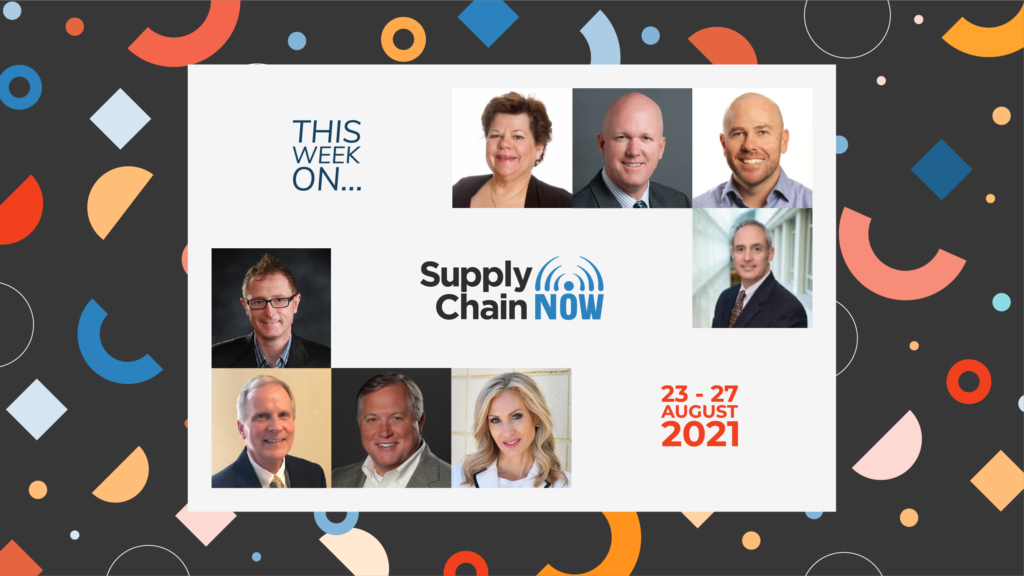
Stay up to date on all the latest conversations, interviews, and episodes we released this week here at Supply Chain Now. We started our week off by publishing a Digital Transformers episode hosted by Kevin L. Jackson. This week he welcomes special guest Trina Limpert with RizeNext. On This Week in Business History, Scott shares a special story that is near and dear to his heart. This episode highlights Scott’s grandfather Dick Rutland. Scott highlights his grandfather’s experiences with Winn-Dixie and Kimberly Clark. On Tuesday, we released an episode of TEKTOK with hosts Scott Luton and Karin Bursa. These two had the amazing opportunity to interview Matthew Harding SVP of Data Science & Engineering, and Ben Cubitt, SVP of Consulting and Network Services at Transplace. For this episode of Supply Chain Now Scott and Greg had the opportunity to interview two important UPS figures: Daniel Gagnon, Vice President of Global UPS Healthcare Marketing and Strategy, and Tim Fosnough, Senior Director of UPS Global Freight Forwarding. During this conversation, UPS responses to the COVID-19 pandemic were discussed. On Thursday, we also released another episode of the Supply Chain Buzz featuring Aaron Meredith from Verusen. Scott, Greg, and Aaron covered all the…
May 17, 2021
This Week In Supply Chain Now: May 10th – 14th
Get ready to increase your supply chain IQ! We’re looking back on the latest episodes, interviews, conversations, and livestreams from this week right here. On Monday, we released 2 new episodes! In this episode of Digital Transformers,hosts Kevin L. Jackson and Scott Luton learn about the power of the IBM cloud ecosystem from Brian Fallon, Vice President of Global Sales for the IBM Partner Ecosystem. On This Week in Business History, Kelly Barner dives into the rise of Warren Buffet, the completion of the transcontinental railroad, some interesting business birthdays, & the invention of the tubeless tire. On Tuesday, we released 2 new episodes! On this episode of Supply Chain Now, Gugulethu Hughes, Founder of Clinch, joins our hosts Scott and Greg to share the number one challenge for the startup economy in Africa, why corporate social responsibility programs are falling short in eliminating child labor, & more. On TECHquila Sunrise, host Greg White welcomed stealthy startup co-founder and Venture Partner at Kubera Venture Capital, Sena Zorlu, to look into the minds of investors, revealing what makes them tick and how founders can communicate clearly with them. On Wednesday, we released an episode in our Reverse Logistics Series in collaboration…