

More
June 5, 2020
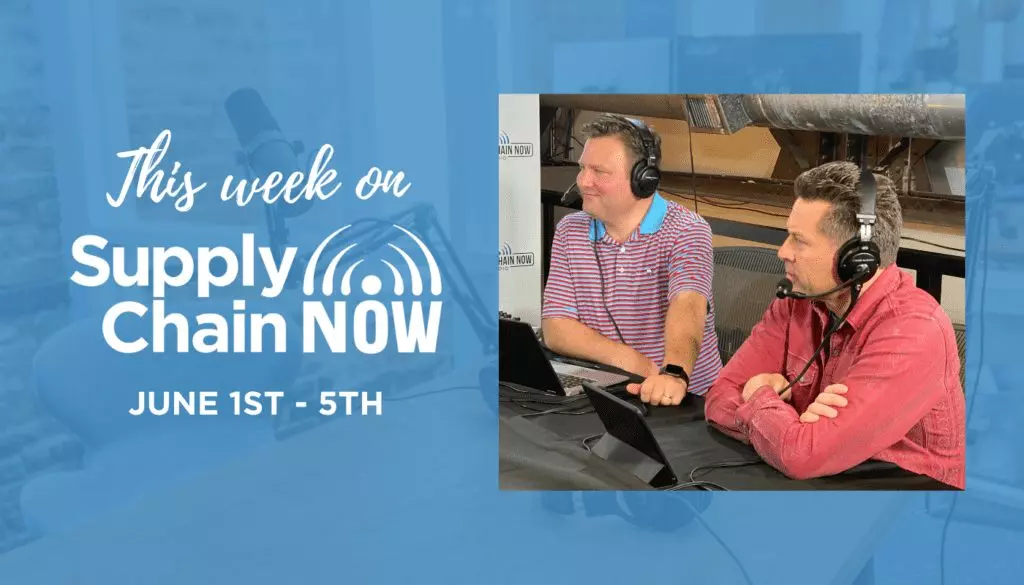
This Week in Supply Chain Now: June 1st – 5th
Another great week here at Supply Chain Now! Have you listened to all the episodes? If not, you can check them all out here: On Monday, Scott and Greg chatted with Tim Dooner with FreightWaves, about working from home and how it will work going forward, brokers and owner-operators, and more! Supply Chain Now · “What the Truck is Going On: Tim Dooner with FreightWaves” On Tuesday we were overwhelmed by the passion for supply chain and the positivity of Jamin Alvidrez with Freight Tribe! Supply Chain Now · “Meet Jamin: Supply Chain Vet Shows How to Unleash Positivity” On Wednesday we welcomed Supply Chain Now vets Claudia Freed with EALgreen and Chuck Easley with the Georgia Tech Supply Chain and Logistics Institute back to the show to discuss education and the future of supply chain. Supply Chain Now · “Supply Chain Lessons Learned from Pandemic: Claudia Freed & Chuck Easley” Scott and Greg were joined by Cathy Morrow-Roberson with Logistics Trends and Insights for the Supply Chain Buzz, discussing the top news in supply chain for this week. Supply Chain Now · “UPS Rate Changes & More: Supply Chain Buzz…
September 11, 2020
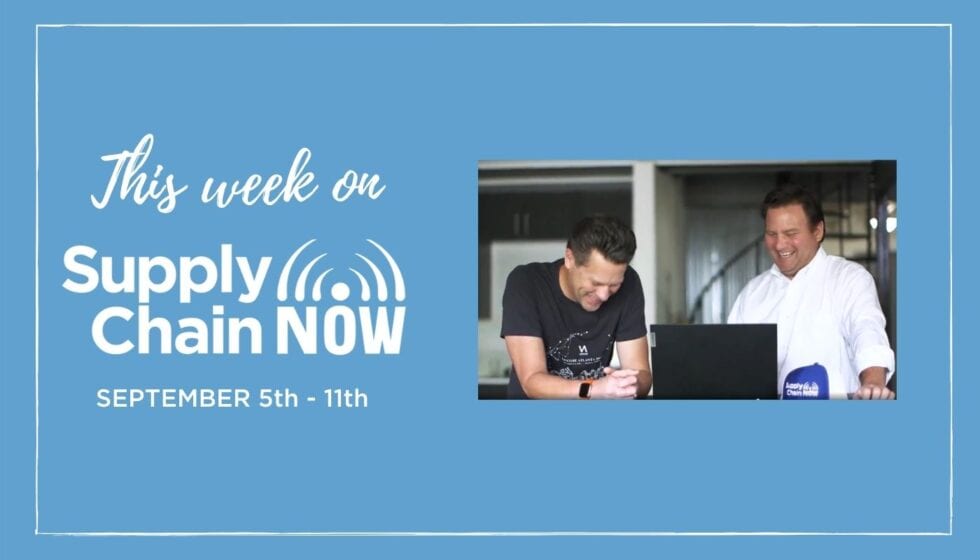
This Week on Supply Chain Now: September 5th – 11th
It might have been a short week for some, but at Supply Chain Now, it was chock-full of great interviews, conversations, livestreams, and episodes! For a bonus episode on Saturday, Scott and Greg welcomed Tyson Steffens with Pallet Alliance and Jom Fechner with USG to the podcast to talk about building a national procurement program and optimizing your spend. Supply Chain Now · “How and Why to Build a National Procurement Program to Optimize Your Spend” On Monday, Scott dug back into the archives for This Week in Business History, and gave us all the story behind Labor Day. Supply Chain Now · “This Week in Biz History for September 7th: The Story Behind Labor Day” On Tuesday, Jamin Alvidrez joined Scott as co-host, and welcomed a couple of amazing people in logistics and transportation, Trey Griggs with Lean Sales and Nicole Glenn with Candor Expedite. Supply Chain Now · “The Amazing People of Logistics & Transportation: Featuring Nicole Glenn & Trey Griggs” Tim Judge with Agillitics and Nate Endicott with RateLinx joined Scott and Greg on Wednesday for a great conversation on agile decision making in supply chain. Supply Chain Now…