

More
June 4, 2021
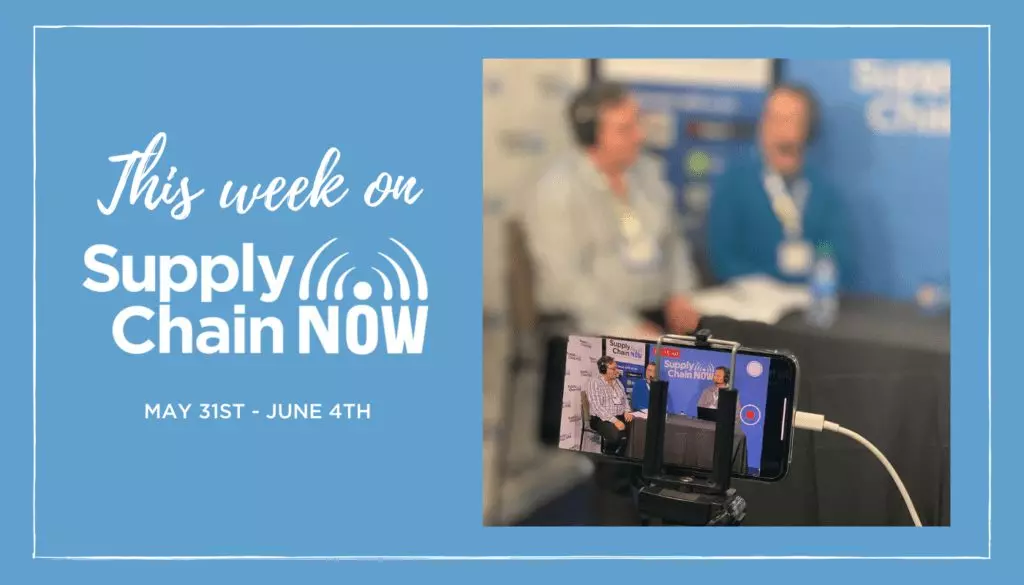
This Week In Supply Chain Now: May 31st – June 4th
Check out everything that’s been happening at Supply Chain Now! We’re looking back on all the latest conversations, interviews, and episodes right here. On Monday, we released a special Memorial Day episode of Veteran Voices, hosts Scott W. Luton and Kelly Barner share their own personal messages, including what Memorial Day means to them and a few examples of those incredible individuals that sacrificed it all for others. On Tuesday, we released 2 new episodes! On this TEKTOK Classic Episode, host Karin Bursa speaks with Lora Cecere, CEO of Supply Chain Insights and industry trailblazer, about her career journey. On TECHquila Sunrise, host Greg White continues his conversation with Jack Freeman of PeakSpan Capital, discussing the current investment environment for supply chain tech. On Wednesday, Dr. Marcell Vollmer with Boston Consulting Group and Jacob Gorm Larsen with Maersk Group joined hosts Kelly Barner and Scott Luton on Dial P for Procurement to discuss digital procurement transformation. On Thursday, we released this week’s episode of The Supply Chain Buzz, powered by OpenText. In this episode, Supply Chain Now Co-hosts Greg White and Scott Luton are joined by Kelly Barner (Host of Dial P for Procurement) to talk about the 2021 Supply…

April 15, 2021
Supply Chain Now Feature in Reverse Logistics Magazine
Supply Chain Now and the Reverse Logistics Association recently relaunched the Reverse Logistics Series livestream series, and we’re pleased to be featured in the Reverse Logistics Magazine for April 2021. To learn more about the relaunched series and what’s in store, read the article here. Click here to view the complete PDF of edition 113 with free registration/log-in.’