

More

collaborative planning
February 18, 2026
Collaboration That Actually Pays Off
Special Guest Blog Post written by Dyci Sfregola Why planning, procurement, and leadership must move beyond coordination theater Collaboration is one of the most overused (and misunderstood) words in both modern supply chain and construction management. Everyone claims to value it. Few organizations design their operating models to make it work. In a recent conversation, Scott Luton sat down with Dyci Sfregola, author of Next Level Construction Management, to unpack what real collaboration looks like in practice; and why so many well-intentioned efforts fail to deliver measurable results. What “True” Collaborative Planning Really Means According to Sfregola, real collaboration isn’t about more meetings or more dashboards. It’s about working together to create one plan, one set of assumptions, and real tradeoff analysis – – all owned collectively across functions. That includes finance, commercial, marketing, manufacturing, planning, and procurement all working from the same reality. Capacity, labor, cash flow, and constraints are visible. Decisions are documented. Actions actually change what happens next. The most common failure? Confusing information sharing with alignment. Teams often circulate data and emails and call it alignment, but no one in the room has clear decision rights – – or the authority to commit resources…
April 17, 2025
Navigating Hidden Freight Costs: Taking Control of Unexpected Charges
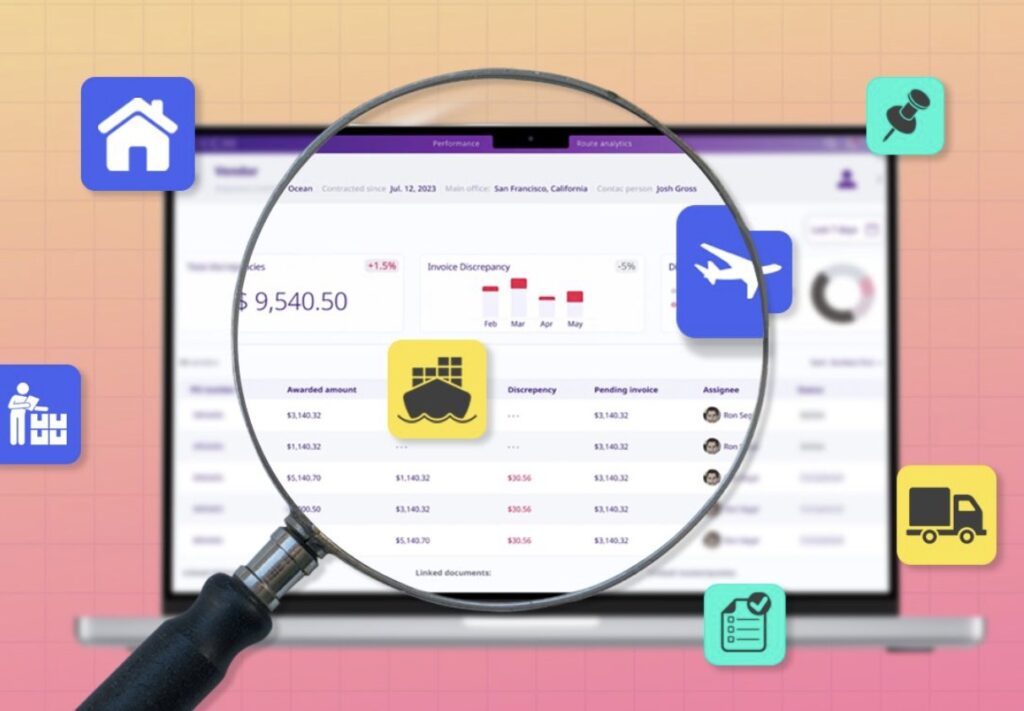
Blog Post written by Ohad Azgad, CEO of Cinch Logistics leaders must control costs while maintaining service quality, but hidden freight charges often erode profits due to poor visibility. Cinch analyzed over 7,000 line-item charges from 30+ freight forwarders, brokers, and carriers in FMCG and manufacturing, uncovering three major cost drivers: The Frequency-Impact Paradox Frequent charges like fuel surcharges appear in 14.4% of invoices but contribute just 4.2% of hidden costs. In contrast, customs duties—though present in only 5.8% of invoices—account for 52% of hidden costs. Identifying these patterns helps logistics teams focus on impactful cost reductions. Inconsistent Invoice Terminology Charge names like “Fuel Surcharge” vs. “Bunker Adjustment Factor” vary between carriers, reducing cost visibility and negotiation leverage. Standardizing terminology improves tracking, clarity, and vendor negotiations. Hidden Budget Risks: Customs, Duties & On-Carriage Fees Customs duties account for 46% of hidden costs, while on-carriage fees add 26%, despite appearing in only 4.3% of invoices. These charges are often underestimated during quoting, leading to budget overruns. Proactive management prevents unexpected expenses. Strategies to Optimize Freight Costs Real-Time Data Analytics: Platforms like Cinch provide charge visibility during quoting, improving cost forecasting and negotiation leverage. Standardized Terminology: Consistent charge names enhance cost…