

More
November 12, 2020
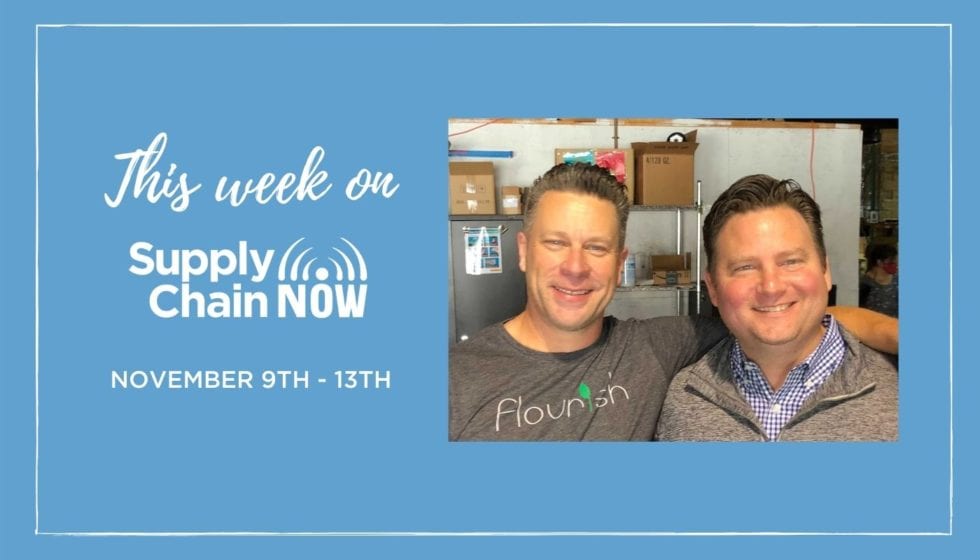
This Week on Supply Chain Now: November 1st – November 12th
This week on Supply Chain Now, we released our 500th episode, gained key insight into the latest industry news, & heard from featured guests who shared their journeys into supply chain. Make sure you’re up to date on all the latest episodes, interviews, conversations, and livestreams! On Saturday, Brandon Mason, a lead analyst for Eaton’s Global Market Intelligence group shares with Scott his insights into automotive industry trends, including emerging technologies & economic trends. On Monday, the Supply Chain Now team got together to celebrate 500 episodes and look back on the journey so far. On Tuesday’s podcast episode, Scott & Greg welcomed Hank Picken and Jeff Picken, the father-son team leading Beaumont Products. Listen up as they share what its like to be part of a family business as well as key insight into manufacturing. For Veteran’s Day on Wednesday, we featured the Veteran Voices podcast where Scott welcomed Rear Admiral Casey W. Coane, U.S. Navy (Retired) to talk about his military service and the mission he’s on now. On Thursday, Karin Bursa & Sofia Rivas Herrera joined Scott & Greg on the Supply Chain Buzz. Listen up as they dive into giving forward…
workforce
November 11, 2025
5 Leading Supply Chain Recruiting & Executive Search Firms
To compete in today’s supply chain landscape, you need the best talent. We can’t overstate this enough. The talent competition is fierce and has increased due to the rapid onset of machine learning and artificial intelligence. If you don’t have a talent management partner who can accelerate your leadership placements, you run the risk of missing out on the best candidates and making a bad hire. It’s better to trust professionals who can commit a full-time approach to helping you find the supply chain leaders you need, rather than disrupt your own operations, hoping you have the right access and relationships to land the best talent. Here are 5 leading supply chain recruiting and executive search organizations: SCM Talent Group The key differentiator for SCM Talent Group and other supply chain recruiters is their decades of relationships, coupled with thought leadership. Founder and Managing Partner Rodney Apple helped to build out Home Depot and Coca-Cola’s supply chains more than 20 years ago. These decades of experience allow SCM Talent Group to better identify leaders who can help to transform supply chains into competitive advantages. Apple’s deep relationships in this niche industry have allowed his team to access hard-to-find talent pools…