
More
August 7, 2020
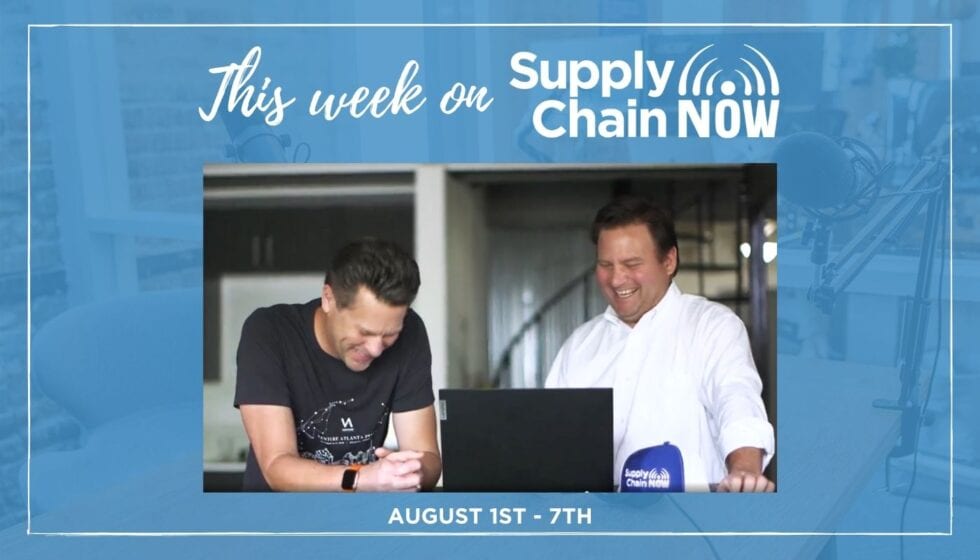
This Week on Supply Chain Now: August 1st – 7th
Another BIG week at Supply Chain Now! If you missed an episode, get a quick summary and listen here! We added another TWO additional episodes this week starting on Saturday, August 1st. If you didn’t catch our Supply Chain Buzz livestream last week, you got another chance to see Scott and Greg cover the top news in Supply Chain on Saturday. Supply Chain Now · “The Supply Chain Buzz for July 27th: Brand Rationalization, CSCO Diversity, & More” On Sunday, we continued our Logistics with Purpose series with a great interview with Jon Thompson with Comunidad Connect. Supply Chain Now · “Logistics with Purpose: Jon Thompson with Comunidad Connect” On Monday, Scott and Greg spoke with Andrea Kerr, the VP of Product Management with SpotSee, all about optimizing supply chain visibility. Supply Chain Now · “Optimizing Supply Chain Visibility: Angela Kerr with SpotSee” On Tuesday we had ANOTHER great new program debut! We published the first episode of the Jamin Logistics & Transportation Experience, as Jamin Alvidrez interviewed our very own, Scott Luton! Supply Chain Now · “Adapt & Thrive: Lessons from the Air Force, Andy Griffith & Granddad with Guest…

Supply Chain Influencers
October 16, 2024
The New Guard: Three Supply Chain Influencers to Watch
“The term ‘influencer’ has become quite ubiquitous in the online space, especially in social media marketing. What was previously being done by celebrities is now taken over by regular people with large followings on social media platforms,” said Influencer Marketing Hub. The Denmark-based company says it “specializes in producing how-to guides, courses, and research reports in the social media and influencer marketing industry.” How far we’ve come – to the point where there’s an actual influencer marketing industry. Influencer Marketing Hub did say that industry experts and thought leaders “can also be considered influencers in their respective industries. These key opinion leaders have gained respect because of their qualifications, position, or experience in their topic of expertise.” It added that “the opinions of these influencers hold significant weight regardless of their social media follower count.” Supply Chain Media is Transforming to Fit the Needs of a Changing Industry Thankfully, it is the industry experts and thought leaders who are influencing supply chain media rather than TikTok “stars” and the Kardashians. There is now a wealth of supply chain-focused programming keeping industry professionals abreast of the latest trends and innovations. Three Supply Chain Influencers to Watch Vin Vashista, Sofia Rivas, and…