

More
collaborative planning
February 18, 2026
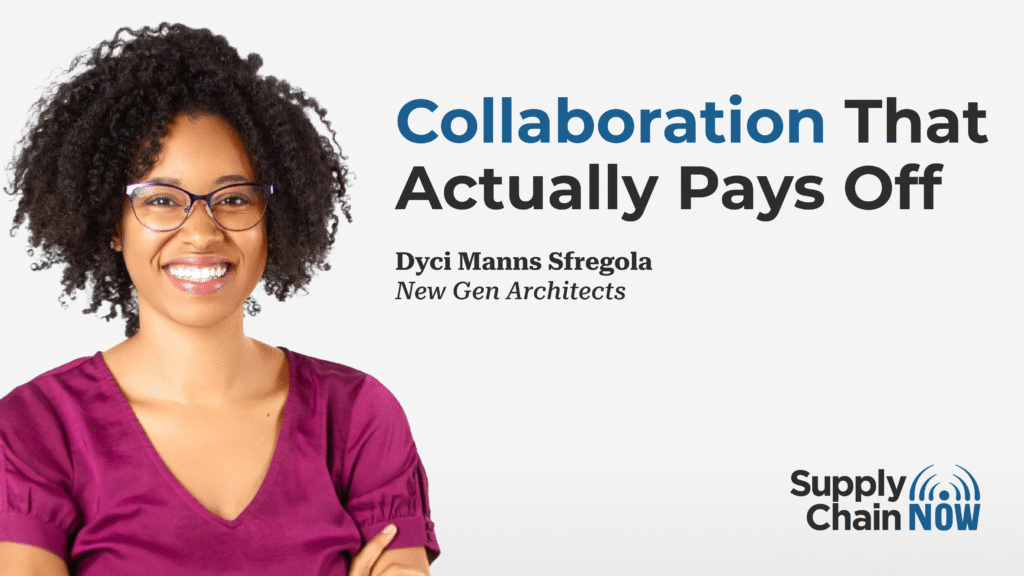
Collaboration That Actually Pays Off
Special Guest Blog Post written by Dyci Sfregola Why planning, procurement, and leadership must move beyond coordination theater Collaboration is one of the most overused (and misunderstood) words in both modern supply chain and construction management. Everyone claims to value it. Few organizations design their operating models to make it work. In a recent conversation, Scott Luton sat down with Dyci Sfregola, author of Next Level Construction Management, to unpack what real collaboration looks like in practice; and why so many well-intentioned efforts fail to deliver measurable results. What “True” Collaborative Planning Really Means According to Sfregola, real collaboration isn’t about more meetings or more dashboards. It’s about working together to create one plan, one set of assumptions, and real tradeoff analysis – – all owned collectively across functions. That includes finance, commercial, marketing, manufacturing, planning, and procurement all working from the same reality. Capacity, labor, cash flow, and constraints are visible. Decisions are documented. Actions actually change what happens next. The most common failure? Confusing information sharing with alignment. Teams often circulate data and emails and call it alignment, but no one in the room has clear decision rights – – or the authority to commit resources…

supply chain decision velocity
March 6, 2026
The High Cost of Labor Firefighting and Systemic Attrition
Warehouses are not running out of labor. They are running out of labor that can sustain the pace. Manual firefighting, overtime, and constant reassignment push skilled associates to burn out faster than they can be replaced. The result is a cycle of turnover, training, and rising labor costs that slow performance and strain budgets. This whitepaper breaks down the current state of labor in distribution, including turnover trends, overtime risk, burnout dynamics, and the true cost of churn. Click here to download and see how labor forces impact throughput, planning, and workforce strategy today.