

More
Supply Chain Influencers
October 16, 2024
The New Guard: Three Supply Chain Influencers to Watch
“The term ‘influencer’ has become quite ubiquitous in the online space, especially in social media marketing. What was previously being done by celebrities is now taken over by regular people with large followings on social media platforms,” said Influencer Marketing Hub. The Denmark-based company says it “specializes in producing how-to guides, courses, and research reports in the social media and influencer marketing industry.” How far we’ve come – to the point where there’s an actual influencer marketing industry. Influencer Marketing Hub did say that industry experts and thought leaders “can also be considered influencers in their respective industries. These key opinion leaders have gained respect because of their qualifications, position, or experience in their topic of expertise.” It added that “the opinions of these influencers hold significant weight regardless of their social media follower count.” Supply Chain Media is Transforming to Fit the Needs of a Changing Industry Thankfully, it is the industry experts and thought leaders who are influencing supply chain media rather than TikTok “stars” and the Kardashians. There is now a wealth of supply chain-focused programming keeping industry professionals abreast of the latest trends and innovations. Three Supply Chain Influencers to Watch Vin Vashista, Sofia Rivas, and…
June 10, 2021
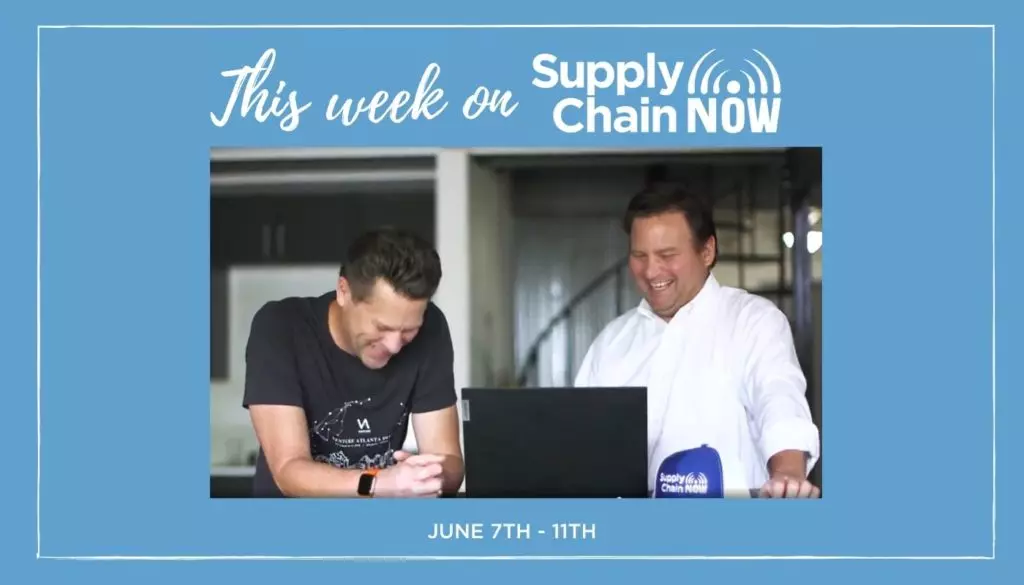
This Week In Supply Chain Now: June 7th – 11th
Keep up with all the latest conversations, interviews, and episodes right here on Supply Chain Now as we look back on everything that’s happened this week! On Monday, we released 3 new episodes! On Digital Transformers on Supply Chain Now, hosts Kevin L. Jackson and Scott Luton welcome Dr. Evaristus Mainsah, with IBM, to the show to discuss IBM think #2021, post-pandemic digital transformation, using AI to make your workforce even more effective, and exactly what drives innovation. On This Week in Business History, guest host Kelly Barner, Owner of Buyers Meeting Point and Host of Dial P for Procurement remembers key innovations, inventions, and firsts that took place between June 7th and 13th, including the questionable career of Samuel Slater, the tricky first passing of the Panama Canal, and how the Post Office stopped the shipment of children through their national parcel service. On Supply Chain Now en Spanish, host Enrique Alvarez interviews Sofia Rivas Herrera learning about her journey from curious child to industrial engineer to supply chain leader and much more. On Tuesday, we released 2 new episodes! On our Logistics with Purpose series, produced in partnership with Vector Global Logistics, as Pat Plonski, Executive Director of…