

More
June 5, 2020
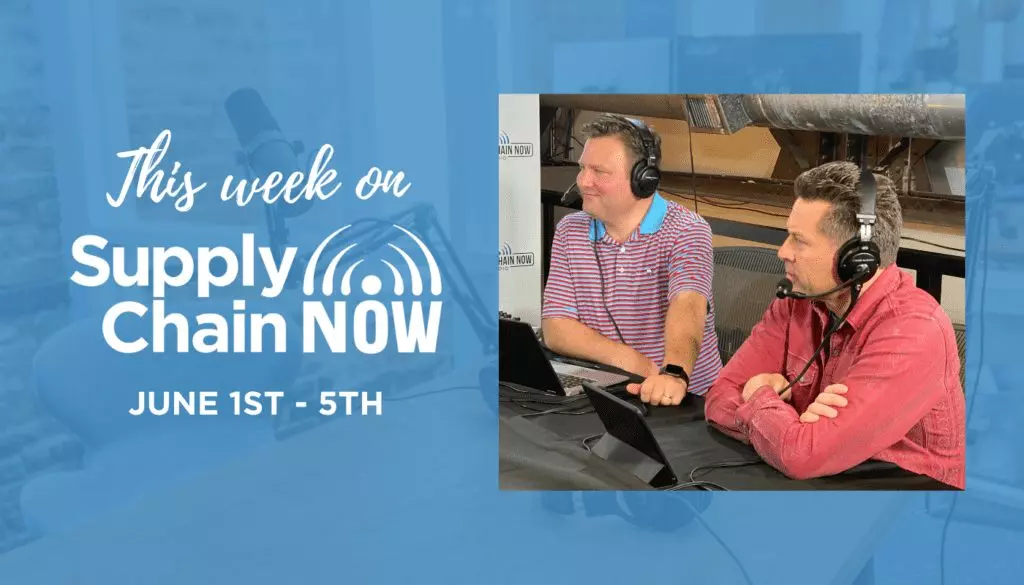
This Week in Supply Chain Now: June 1st – 5th
Another great week here at Supply Chain Now! Have you listened to all the episodes? If not, you can check them all out here: On Monday, Scott and Greg chatted with Tim Dooner with FreightWaves, about working from home and how it will work going forward, brokers and owner-operators, and more! Supply Chain Now · “What the Truck is Going On: Tim Dooner with FreightWaves” On Tuesday we were overwhelmed by the passion for supply chain and the positivity of Jamin Alvidrez with Freight Tribe! Supply Chain Now · “Meet Jamin: Supply Chain Vet Shows How to Unleash Positivity” On Wednesday we welcomed Supply Chain Now vets Claudia Freed with EALgreen and Chuck Easley with the Georgia Tech Supply Chain and Logistics Institute back to the show to discuss education and the future of supply chain. Supply Chain Now · “Supply Chain Lessons Learned from Pandemic: Claudia Freed & Chuck Easley” Scott and Greg were joined by Cathy Morrow-Roberson with Logistics Trends and Insights for the Supply Chain Buzz, discussing the top news in supply chain for this week. Supply Chain Now · “UPS Rate Changes & More: Supply Chain Buzz…

supply chain podcasts
August 5, 2024
Supply Chain Podcasts as a Learning Tool: Building Industry Engagement
The late Steve Jobs demonstrated how to create a podcast using Apple’s audio editing software during a developers conference in 2006. Today, Apple hosts nearly 2.7 million podcasts devoted to everything from AI to zoology. There’s obviously a lot of noise in every industry, including supply chain, and not all supply chain podcasts are the same. Your time is valuable. You should get your supply chain industry insights from proven leaders, not self-proclaimed freight and logistics experts pontificating from their basements. The Power of Supply Chain Podcasts: Standing Out in a Crowded Industry Broadcast journalist Walter Cronkite was known as the most trusted man in America. You’ve got to wonder what he would have thought about the proliferation of social media influencers disseminating “news” on TikTok videos filmed with cellphones and flattering glow lights. Like other smart people with limited time, Cronkite probably would have skipped the fluff and gone for the substance — truly informative programming presented by industry thought leaders. The American people trusted that what newsman Cronkite said was accurate. Listeners of supply chain podcasts deserve the same — accurate, straightforward information delivered by a person who really knows what he or she is talking about. Why…