

More

operations
December 2, 2025
Top 10 Ways a Data Gateway Improves Time to Value Across End-to-End Supply Chains
Special Guest Blog Post written by Mark Holmes with InterSystems Top 10 Ways a Data Gateway Improves Time to Value Across End-to-End Supply Chains Supply chain practitioners seeking the best way to speed decision intelligence, unify supply chain data, increase operational efficiency, and improve supply chain resilience can benefit from a supply chain data gateway. A data gateway provides unified access to supply chain data from various sources, including enterprise systems, supply chain applications, data feeds, data warehouses, data lakes, data marts, and business entities. Here are the top 10 ways a supply chain data gateway can improve your supply chain performance. Enables You to Identify Inefficiencies and Make Better and Informed Decisions A unified view of your data accelerates informed decision making and provides you with a comprehensive understanding of your supply chain. For example, a supply planner gains accelerated access to customer orders, inventory levels, and transportation schedules, all in one place, to identify inefficiencies and make better informed decisions. Reduces Implementation Times Enterprises and supply chain software providers strive to reduce application implementation times. A data gateway can serve as a front-end for a range of supply chain software applications, speeding and simplifying data ingestion, integration,…
June 18, 2021
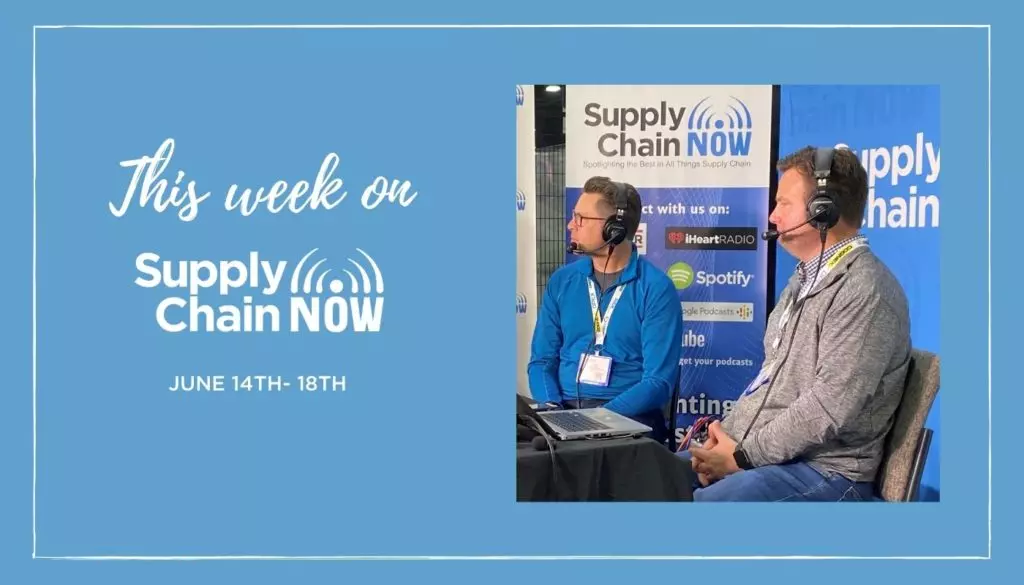
This Week In Supply Chain Now: June 14th – 18th
Step up your supply chain strategy by checking out all the latest conversations, interviews, and episodes we released this week here at Supply Chain Now! On Monday, we released 2 new episodes! On this episode of Supply Chain Now, hosts Scott and Greg welcome Nicci Scott with Commercial Transport Academy and Jenny Froome with SAPICS for the next installment of the Supply Chain Across Africa series. On This Week in Business History, host Scott W. Luton sheds light on 3 historical milestones that enabled us to move faster: cars, coasters, & computers. On Tuesday, we released 2 new episodes! On this episode of TEK TOK, host Karin Bursa takes us through 6 strategies to boost resilience, agility, and response in your organization’s supply chain. On TECHquila Sunrise, we’re looking back on a “Sunrise Special” episode where host Greg White shares how venture capitalists decide which companies to invest in (and how much!). On Wednesday, host Scott Luton welcomed Deborah Dull, Supply Chain Product Management at GE Digital, and Mucai Kunyiha, Chairman of the Kenya Association of Manufacturers and Group Chief Executive Officer of Kzanaka Ltd, to the podcast. On Thursday, we released a replay of our Manufacturing Monday edition of…