

More
December 11, 2020
Understanding Logistics: A Discussion with Scott Luton, Founder & CEO of Supply Chain Now.
Scott Luton was featured in two episodes of Rethinking Supply Chain, hosted by Venzee CEO, John Abrams: Understanding Logistics: A Discussion with Scott Luton, Founder & CEO of Supply Chain Now. John got connected with Scott after listening to one of our podcast episodes that dove into the physical and automated aspects of supply chain. Listen to Part One of the interview HERE Listen to Part Two of the interview HERE
October 8, 2021
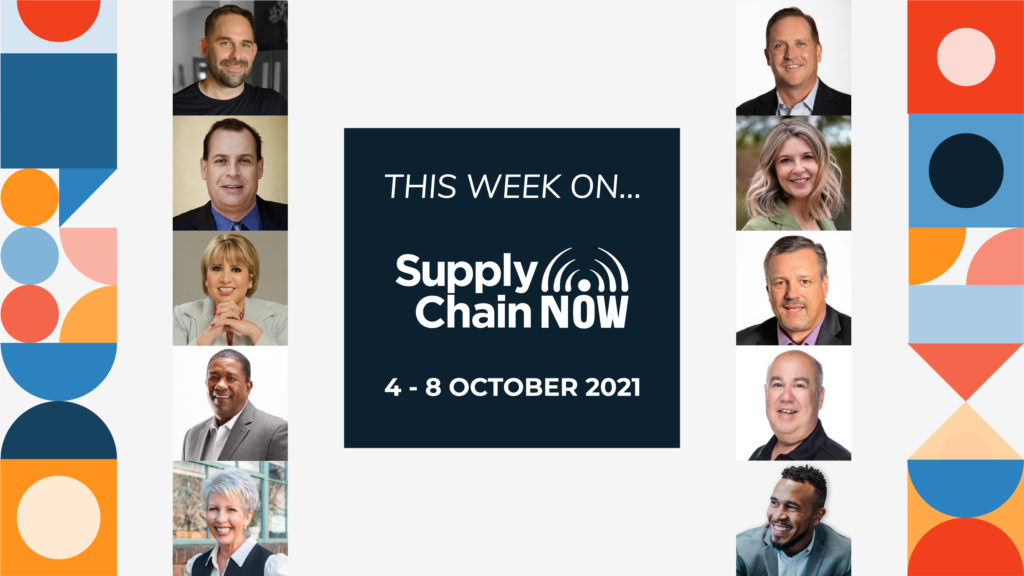
This Week In Supply Chain Now: October 4th – 8th
Stay up to date on all the latest conversations, interviews, and episodes we released this week here at Supply Chain Now! Kelly Barner and Scott Luton brought in the week with an episode of Dial P for Procurement on Supply Chain Now. For this episode, the P in Dial P is for payments. Kelly and Scott welcome Kris Lance with Una and Jim Luff with Chosen Payments, to the show. For Monday’s This Week In Business History, Scott covers the many hats that Ray Kroc wore as he built the Mcdonald’s global brand. On Tuesday, we released another episode of TEKTOK with Karin Bursa and special host Kevin L. Jackson. This episode is all about BLOCKCHAIN, from the basics to process improvements. On Wednesday’s episode of Supply Chain Now, Scott and Greg welcomed Tim Holland, Contingent Workforce and Talent Acquisition Leader and Barb Sexton Vice President, Partner Development for Corporate Services with OMNIA Partners, LIVE to the show as they broadcast from the OMNIA Partners 2021 Connections Event in Miami. Scott and Greg had another opportunity to chat with OMNIA Partners leaders at the 2021 Connections Event as they welcomed Stephen Laratta, Vice President of Partner Development, MRO and Facilities…