

More
April 23, 2021
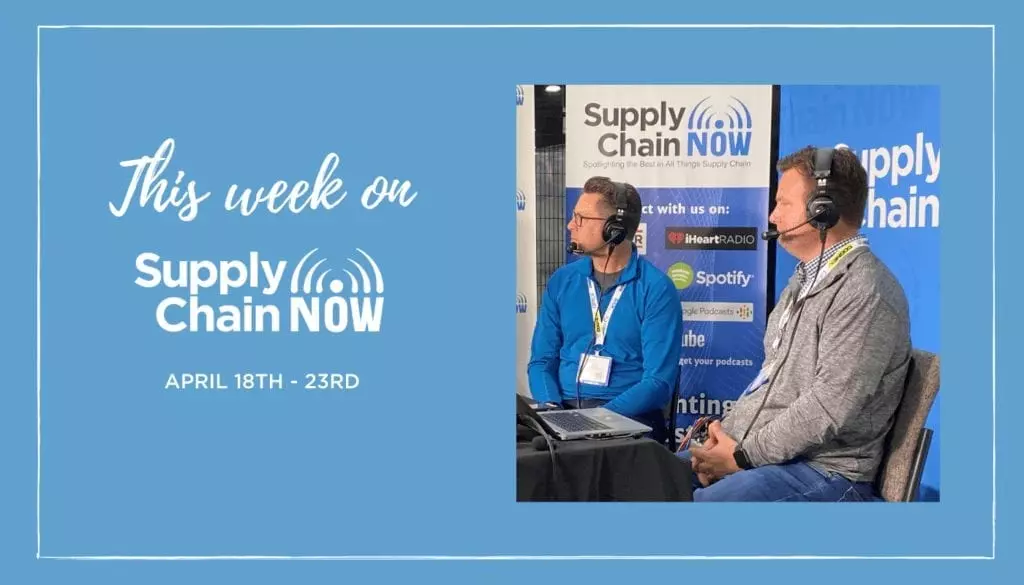
This Week In Supply Chain Now: April 18th – 23rd
Listen up! Catch up on all the latest episodes, interviews, conversations, and livestreams from this week right here. On Monday, we released 3 new episodes! On Supply Chain Now, hosts Scott Luton and Ben Harris welcomed Colton Griffin, CEO of Flourish Software, to talk about how the supply chain for cannabis operates and how it could influence the modern supply chain. On This Week in Business History, host Scott W. Luton dives into 10 things that you may not know about the Suez Canal, a modern engineering marvel that has been the subject of global fascination recently. On Supply Chain Now en Espanol, hosts Enrique and Jose Miguel welcome Ignacio Alcalde with TW Logistica to the podcast. On Tuesday, we released 2 new episodes. On this episode of TEKTOK, powered by Supply Chain Now, hosts Karin Bursa and Scott Luton welcome Transplace CEO Frank McGuigan to the podcast to discuss how disruptions drive supply chain innovations and advancements. On TECHquila Sunrise, host Greg White sat down with Peter Stangeland, Chief Commercial Officer of DB Schenker, to talk about the exciting progress his teams have made in clearing the path to sustainability through innovative forms of transportation and his advice for…
August 6, 2021
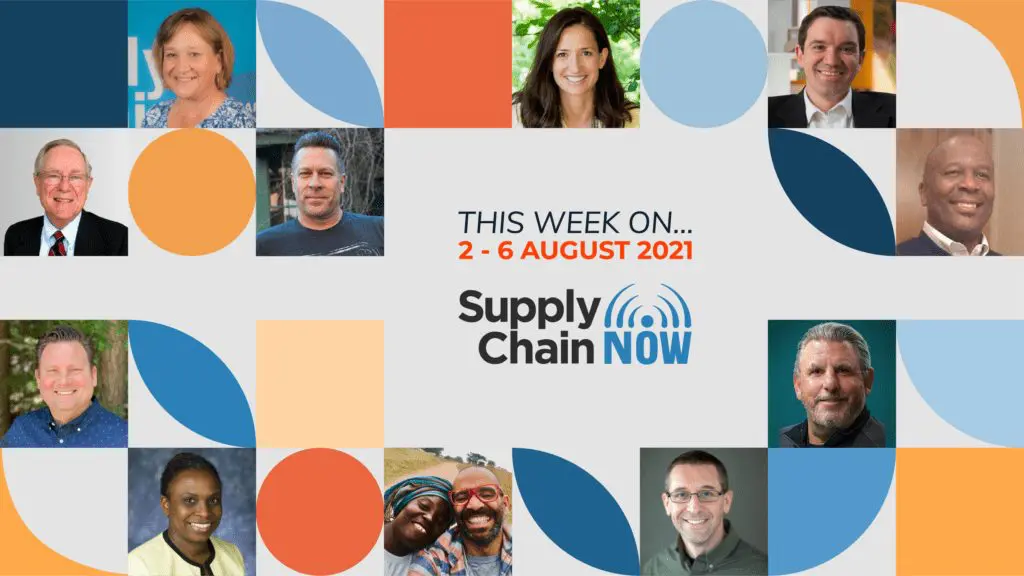
This Week In Supply Chain Now: August 2nd-6th
Stay up to date on all the latest conversations, interviews, and episodes we released this week here at Supply Chain Now. On Monday’s episode of Supply Chain Now, Scott Luton and Greg White discuss the U.S. Bank 2021 Q2 Freight Payment Index with Bobby Holland of U.S. Bank & John Janson with Sanmar. On This Week in Business History, Kelly Barner shares the best and most interesting bits of historical business trivia, all occurring during the first week in August. We also released an episode of Supply Chain Now en Español with Enrique Alvarez and Demo Perez featuring Felisa Preciado. On Tuesday we released another Logistics With Purpose episode! Hosts Enrique Alvarez and Kristi Porter welcomed Alice Brown with GoodSteps to the show. Another show that was in the mix this week was TECHquila Sunrise with Greg White. This is the 2nd part of a great conversation with RateLinx CEO Shannon Vaillancourt, where they discussed 3 Keys to turn supply chain visibility into action. On Wednesday, Tim Nelson with Hope for Justice joined Scott Luton and Greg White. They discussed their noble efforts to eradicate slavery and human trafficking in the supply chain throughout the world. On Thursday, we released…